أدلة الشاي وأدواته
Wuyi Three Pits and Two Streams: A Tea-Origin Guide

“Three pits and two streams,” or sankeng liangjian, is a familiar phrase in Wuyi rock tea. The supplied article uses Niulankeng, Huiyuankeng and Dakengkou for the three pits, with Liuxiangjian and Wuyuanjian as the streams. Some accounts use Daoshuikeng in the list. Ask a seller to name the actual growing site rather than treating the shorthand as a complete origin record.
Niulankeng and Huiyuankeng
Niulankeng is strongly associated in the tea trade with Rougui, sometimes nicknamed niurou. Huiyuankeng is known for a varied tea landscape and is often discussed in connection with older Shuixian. Those associations help explain the names you encounter, but they do not make all Rougui “Niulankeng tea” or all older Shuixian “Huiyuankeng tea.”

Dakengkou, Wuyuanjian and Liuxiangjian
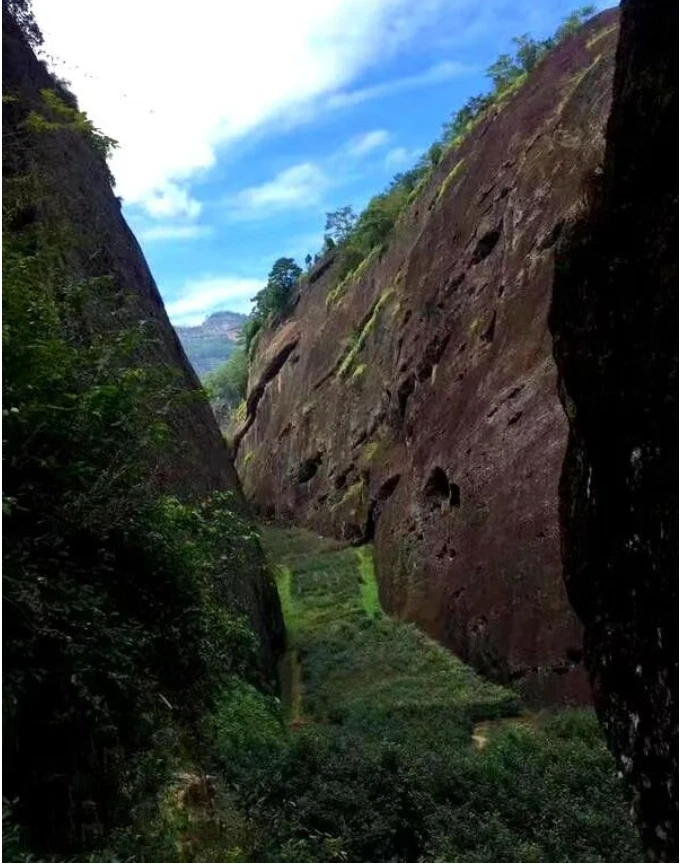
Dakengkou is described through its sheltered rocky setting. Wuyuanjian is associated with the Matouyan area, while Liuxiangjian is noted for its narrow, shaded ravine. Streams, rock faces, vegetation and drainage create a range of conditions for tea cultivation. Exact plot, cultivar and management still matter within each named area.


Why these names attract a premium
Small planting areas, challenging terrain, skilled work and long-standing reputation all influence value. Demand can add another layer. A high price is not proof that the tea came from the claimed plot, and a place name does not remove the need for good processing. Taste a sample and ask what documentation or producer relationship supports the origin.
Compare like with like
Choose the same cultivar and comparable roast levels when comparing sites. Keep the leaf dose, vessel, water and timing consistent. Record the aroma, body and finish without forcing every difference into a geographical explanation. This approach makes the famous names easier to explore while keeping the finished cup at the centre of the decision.