أدلة الشاي وأدواته
Yunnan Old-Tree Black Tea, Keemun and Dianhong Compared
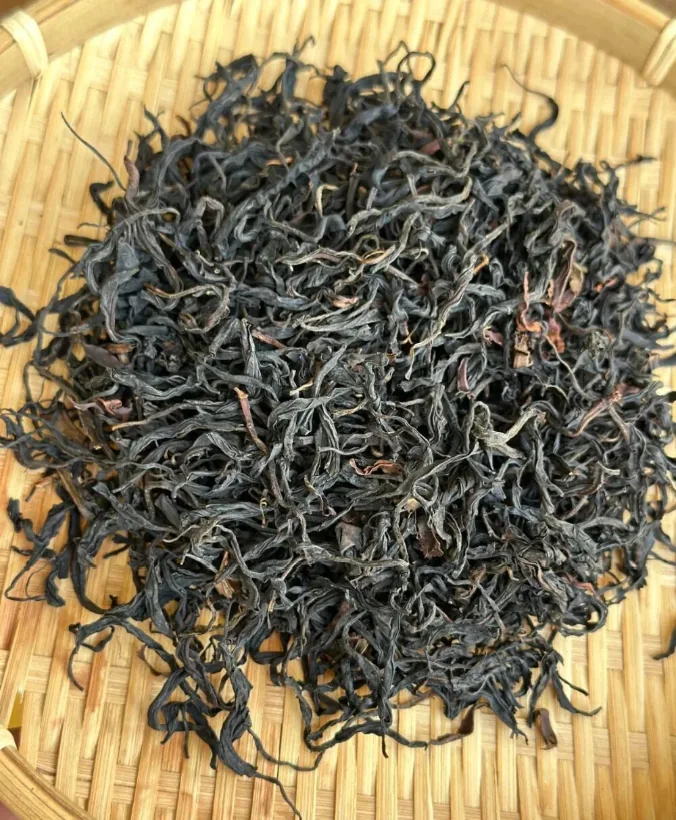
Yunnan old-tree black tea: a leaf sourcing description
“Old-tree” is a sourcing claim. It tells you how a seller describes the tea plants, but the label alone cannot confirm the trees’ ages. In the source tasting, the Yunnan example had a rounded liquor and a fruit-like sweetness. When comparing examples, ask for the place of origin and picking season, then judge the cup. The same sample can also be a Dianhong if it was made in Yunnan in that style.
Keemun gongfu: the Anhui comparison
Keemun, also spelled Qimen, is associated with Qimen in Anhui. A classic Keemun gongfu often shows fine, dark twisted leaves. In the cup, look for a clear fragrance and a finish that may suggest flowers, dried fruit or cocoa, depending on the lot. Here gongfu refers to a style of making the tea. You can brew it in a mug, a teapot or a gaiwan.
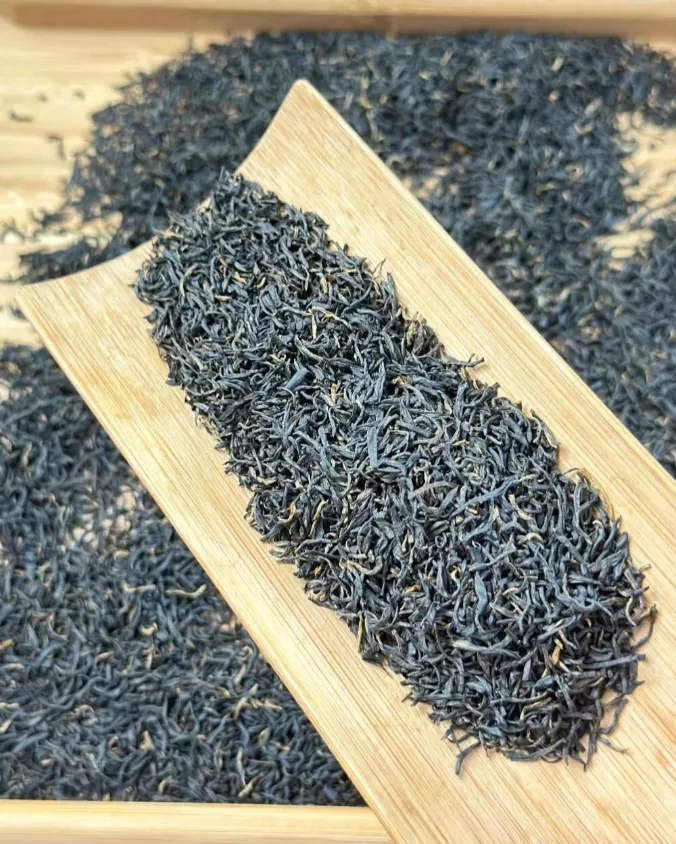
Dianhong gongfu: compare the cup, not the name
Dianhong is a name for Yunnan black tea. “China Red” was the designation on the gongfu sample discussed in the source; it does not by itself define a grade or a standard flavor. Dianhong can be malty, honeyed or full-bodied, and the appearance varies with the material. To taste all three teas together, use 2 grams per 150 mL (5 fl oz), water around 90°C (194°F) and a two-minute steep. Taste warm, then cool: look for fragrance in the Keemun and check whether the two Yunnan cups differ in texture and finish.
