Ratgeber zu Tee und Teegeschirr
Keemun Black Tea Flavor: What Is Qimen Aroma?

Keemun black tea is often described as floral, fruity and honeyed, with a rounded taste and a lingering sweet impression. “Qimen aroma” is a useful name for that combination. It is not one perfume that every Keemun must reproduce.
A gentle cup can still have depth. Smell it while it is warm, take a small sip after it cools enough to drink, then notice what remains after swallowing. You may find the finish more revealing than the first rush of aroma.
A historical tasting gives the language some context
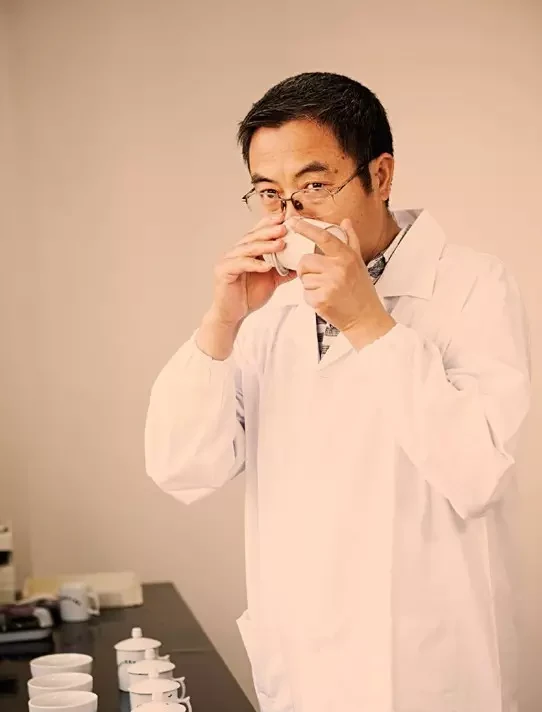
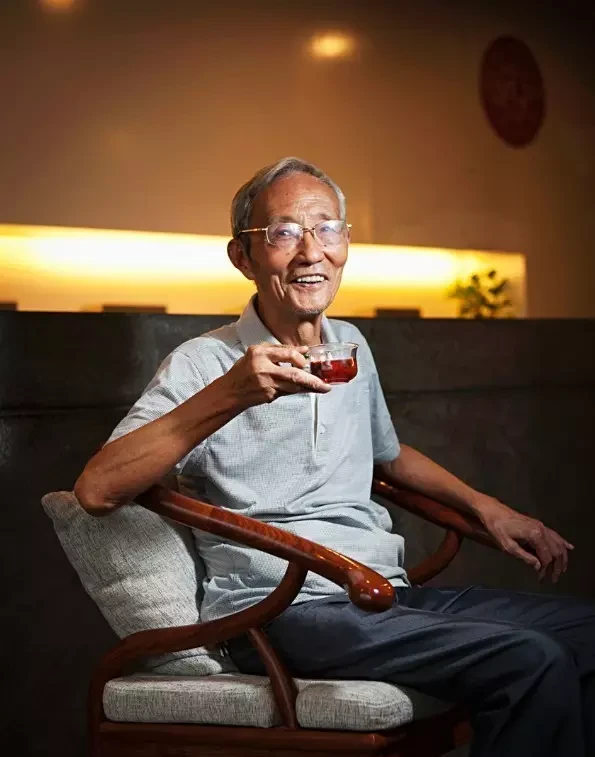
The supplied article recounts a visit to Xiangyuan’s Keemun operation, including a tasting with Lu Guofu and discussion of a 2015 tea. It also discusses the work of Min Xuanwen and Xie Yongzhong. The photographs and interview details belong to that historical account, rather than a new Sandao visit or a description of today’s retail batches.
In the account, Lu compares several Chinese black teas and describes Keemun in terms of flowers, fruit and honey. The writer notices citrus-like and osmanthus-like impressions in one tea. Those observations describe a particular tasting; they should not become a list of flavors guaranteed in every packet.
What “floral, fruity and honeyed” can mean
| Impression | What to notice | What it does not imply |
|---|---|---|
| Floral | A rose-like or other flower-like lift, especially in the warm cup | That flowers were added, or that every batch smells like roses |
| Fruity | A sweet fruit-like suggestion within the aroma | A fruit ingredient or a precise fruit flavor in all Keemun |
| Honeyed | A sweet aromatic association and a soft finish | Added honey or a measured sugar content |
| Rounded | Flavor that feels joined-up rather than harsh or hollow | That the tea cannot become astringent if oversteeped |
Use the words that match your own cup. There is no reward for finding a rose note because a label told you to.

Leaves, place and season all play a part
The historical account takes the reader from the tasting table to tea gardens around Likou in Qimen. The landscape helps explain the local setting: hills, vegetation and conditions suited to tea growing. It does not establish that every famous garden makes better tea than every neighboring garden.


Leaf cultivar, tenderness, growing conditions and picking date influence the material a producer has to work with. Weather shifts from year to year, so an exact calendar date should not be treated as the permanent definition of the best harvest. Nor can a floral aroma alone prove where a tea grew.
How manufacture develops the aroma
Withering, rolling, oxidation and drying transform fresh leaves into black tea. Refining, sorting and blending help shape a traditional Gongfu selection. Oxidation is often called “fermentation” in tea descriptions, but this stage of black-tea manufacture is principally enzymatic oxidation.


A 2024 aroma study identified several odorants contributing to Keemun’s character, including geraniol, linalool and β-ionone among the floral contributors. It also found that fresh-leaf quality and withering mattered to the final aroma. This supports a combination of causes, rather than a single magic ingredient.
A study comparing four Keemun processing styles likewise found different aroma profiles even when the raw material was kept consistent. In everyday terms, the way the leaf is made matters as well as the place it came from.
The refining craft behind a balanced cup
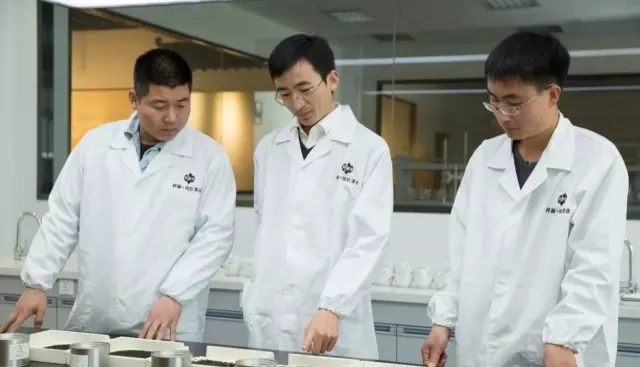
The source interview highlights three kinds of skilled judgment: sorting tea into suitable fractions, testing how those fractions taste together and blending them into a balanced selection. “Gongfu” in this context refers to the work and skill of making the tea; you do not have to brew it gongfu-style.
Blending is not automatically a sign of inferior tea. Combining appropriate leaf fractions can be part of making a consistent, well-balanced Gongfu product. Equally, “handmade” on its own does not tell you whether a particular tea is clean, fragrant or well stored.


Try a simple tasting at home
- Brew one tea at a measured ratio, following our Keemun brewing guide.
- Smell the warm lid or cup, then taste once the tea is comfortable to sip.
- Separate aroma, taste, mouthfeel and finish in your notes. “Sweet-smelling” and “sweet-tasting” are not identical.
- Change one brewing variable before deciding that a harsh cup is a fault in the tea.
Next, compare the styles and grades of Keemun. A small side-by-side tasting usually teaches more than a long list of adjectives.
More questions? Browse the Keemun black tea topic guide or compare the current Keemun tea collection.