Ratgeber zu Tee und Teegeschirr
Keemun vs Dianhong vs Lapsang Souchong: Taste Compared

Choose Keemun for a fine, layered floral and honeyed character; try Dianhong for a fuller, often malty cup; explore Lapsang Souchong for fruit-like sweetness, with or without smoke. These are starting points, not a ranking. Each name covers a range of products, and brewing can make two samples seem more different than they are.
The most useful comparison separates where the tea comes from, how the leaf is made and what you enjoy drinking. Price alone cannot answer all three.
The differences at a glance
| Tea | Place to look for on the label | Common tasting direction |
|---|---|---|
| Keemun / Qimen | Qimen and a clearly described producing origin in southern Anhui | Floral, fruity or honeyed aromas with a rounded finish |
| Dianhong | Yunnan, with producer and growing-area details where available | Fuller body, malt-like sweetness and sometimes prominent golden tips |
| Lapsang Souchong / Zhengshan Xiaozhong | Fujian; check specific Tongmu or other origin claims separately | Fruit-like sweetness; smoked versions add a distinctive smoky character |
Keemun developed in the nineteenth century, while Dianhong’s commercial history belongs to a later period. Lapsang Souchong has an older black-tea tradition associated with Fujian. Their age does not determine which modern packet will taste best to you.
Lapsang Souchong: ask whether it is smoked
For many overseas drinkers, “Lapsang” means a strongly smoky black tea. That is only part of the picture. Chinese listings also include unsmoked Zhengshan Xiaozhong, where fruit-like sweetness may be more noticeable than smoke.
If you dislike smoke, ask directly whether the tea is smoked rather than rejecting the whole category. If you enjoy smoke, check how strong it is. A flavor description such as longan-like sweetness is a tasting association, not evidence that longan fruit was added.
Dianhong: body and leaf material
Dianhong is the common short name for Yunnan black tea. Many examples use larger-leaf material and have a substantial mouthfeel. Golden tips can be visually striking, but their quantity should not be used as a universal quality score.
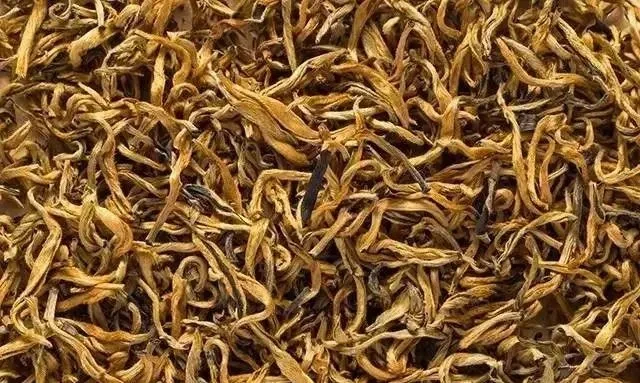
Some Dianhong is rich and malt-like; other selections are lighter or more floral. A tea intended to drink plain may differ from a robust broken-leaf product chosen for milk. Read the product style before comparing prices.
Keemun: detail can be quieter than intensity
Keemun’s appeal often lies in how its aromas fit together: a floral lift, fruit-like sweetness and a rounded finish. Not every tea shouts those notes from across the table. A gentler first impression does not automatically mean weak quality.

Traditional Gongfu, Mao Feng and Xiangluo also differ within Keemun itself. Our Keemun styles guide explains why a fine Gongfu leaf and a curled Xiangluo are not interchangeable samples.
How to make a fair comparison
- Choose plain, unflavored samples and identify whether the Lapsang is smoked.
- Use the same water and measure both leaf weight and water volume.
- Start with each maker’s recipe, then adjust toward a similar drinking strength.
- Taste without milk or sugar first. Add them afterward if that is how you normally drink tea.
- Note aroma, body, drying sensation and finish separately.
Do not turn one sensory clue into an authenticity test. A smoky note, golden ring or particular sweet aroma cannot, by itself, prove a tea’s origin. For that, compare the label and producer’s records.
Which one should you buy first?
If you are curious about floral detail, begin with a small Keemun pack. If you prefer a more substantial cup, sample a Dianhong. If smoke is the attraction, choose an explicitly smoked Lapsang; if it is not, ask for an unsmoked version. Buying small samples is usually more useful than committing to a large gift box before you know the style.
More questions? Browse the Keemun black tea topic guide or compare the current Keemun tea collection.