Ratgeber zu Tee und Teegeschirr
Ancha Dark Tea: Traditional Uses and Flavor Pairings

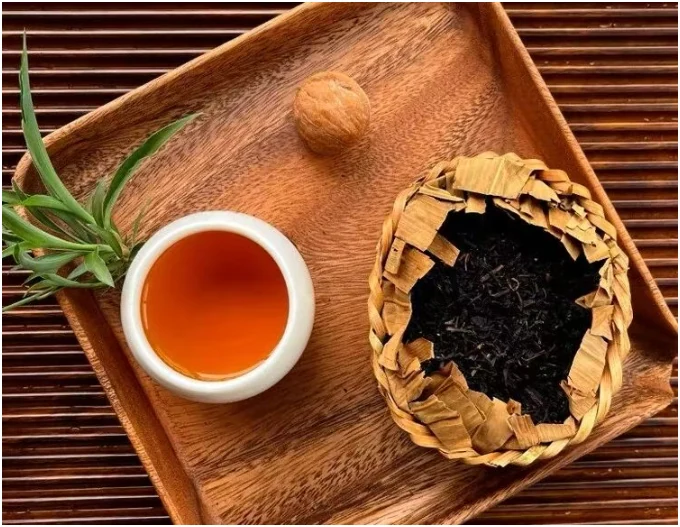
Ancha has long been praised in tea histories and southern Chinese drinking traditions. Some accounts describe it as a “sacred tea” or an ingredient in remedies. Those names tell us how people valued it. They do not tell us whether a modern clinical claim has been established. A useful reading keeps that cultural history and the pleasure of the cup while asking a separate question about evidence.
Old medical language needs historical context
Early texts and commercial tea tickets used language about heat, digestion and dampness. Similar historical tea names could also refer to different places or products, so an old mention of Liu’an tea does not automatically identify today’s Qimen Ancha. A traditional formula or merchant’s claim is not a reliable instruction for treating fever, infection or digestive disease. There is no reason to reproduce old disease remedies as a home brewing recipe.
The appeal of Ancha after a meal
A mellow, unsweetened tea can feel pleasant alongside rich food, with leaf-like, woody and lightly sweet notes providing contrast. That experience should not be translated into a claim that the tea removes fat, cancels calories or treats bloating. Strength, temperature and caffeine tolerance matter, and persistent discomfort deserves appropriate medical attention rather than another stronger brew.
Chenpi adds citrus; osmanthus adds flowers
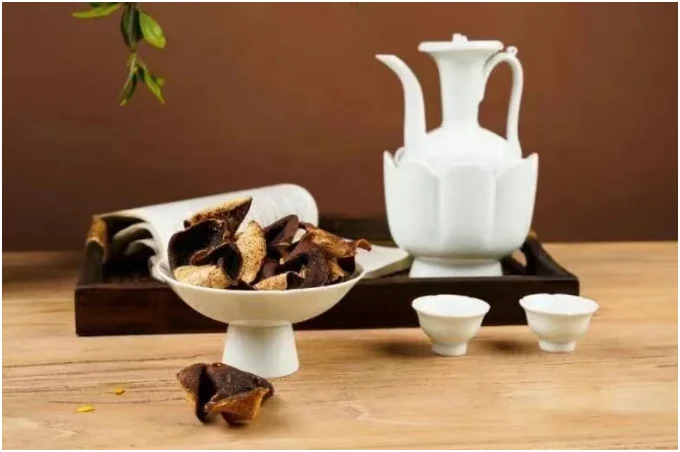
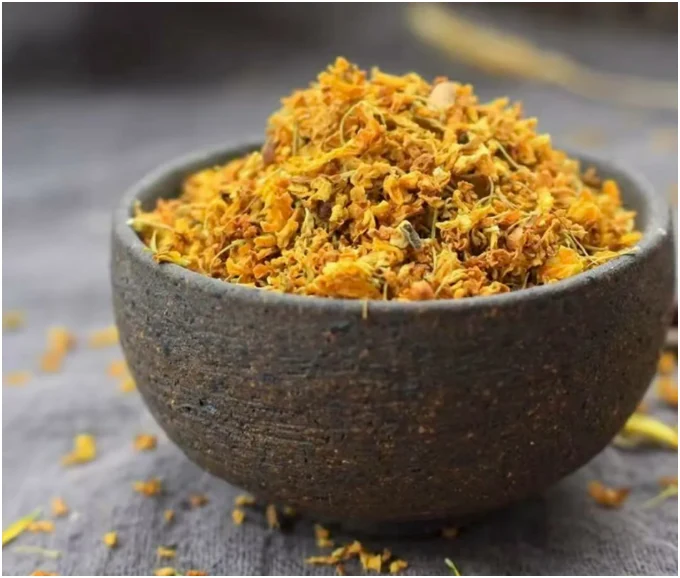
A small piece of food-grade dried tangerine peel can add a bright citrus top note to Ancha. Start with little so the tea’s own aroma remains clear. Food-grade osmanthus offers another direction, bringing floral fragrance to the leaf-like base. These are flavor pairings, with no established “one plus one” medical synergy. Follow ingredient labels and avoid an ingredient that conflicts with an allergy or your individual medical advice.
Treat the basket lining as packaging first
Some tea drinkers include a little leaf lining in an infusion for aroma. That practice requires clean material specifically intended for brewing; an old wrapper of uncertain condition should not go into the pot. Likewise, storing citrus peel with a whole basket changes its aroma and moisture environment. For an easy experiment, combine a small drinking portion at brewing time instead of changing the entire collection.