Guías de té y utensilios
Liubao Tea Fermentation: Wet Piling and Steam Finishing

It is tempting to borrow Pu-erh’s raw-and-ripe vocabulary when discussing Liubao. Traditional tea without a later wet-piling stage may feel more brisk, and modern wet-piled tea may feel softer. The resemblance is useful up to a point. Liubao has its own sequence of initial piling, refining, steaming and storage, so the two-word comparison leaves out important details.
A short pile is different from later wet piling
In a traditional sequence, rolled leaves can undergo a relatively short pile or rest using their own moisture. In modern refining, dried material may be moistened and piled again, with turning and other controls. These are not interchangeable stages. A product described as traditional may still have been steamed or basket-packed later, so asking about the actual sequence is more useful than assuming a single universal method.
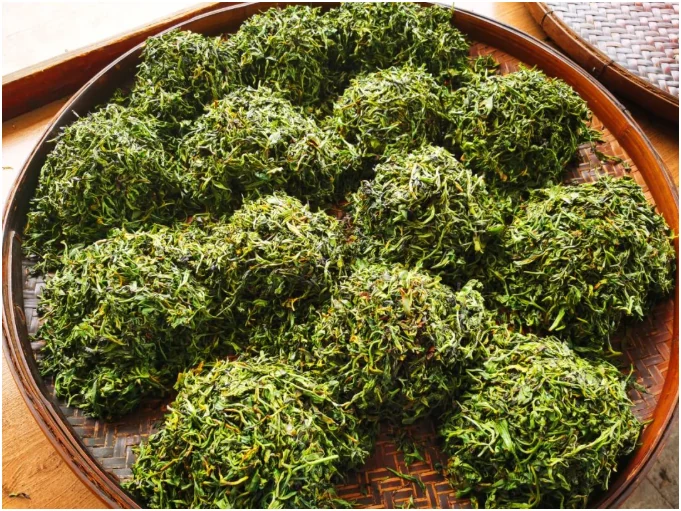

“Cold-water” does not mean a cold fermentation
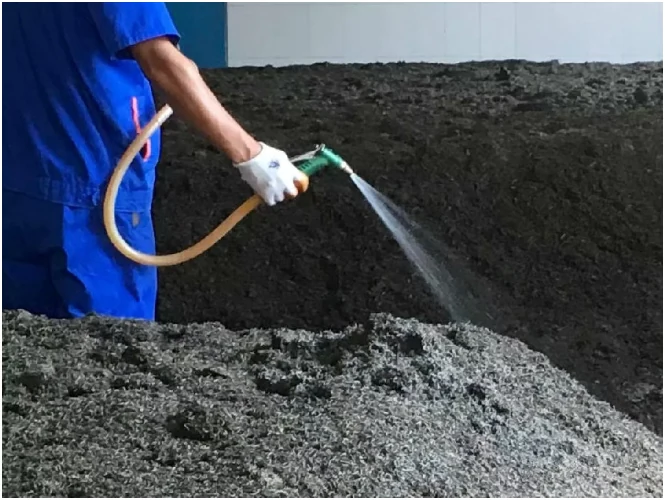
The name describes water addition. Microbial and chemical activity can raise pile temperature, which is why managing the material and turning the pile matter. Duration varies with the batch, pile size and producer. It should not be read as a promise that a low starting water temperature preserves every desirable compound, or that a certain number of days guarantees quality.
Steam finishing has several purposes
Steam softens tea so it can be packed into a basket or pressed with less breakage. Added heat and moisture can also influence later transformation. Single steaming and double steaming are process descriptions, not grades. The terms are sometimes used differently by makers, and it is not safe to infer the complete fermentation history from one label. Proper subsequent drying remains essential.


Choose through a fair tasting comparison
Some wet-piled samples offer deeper liquor and a softer impression, while some steam-finished examples retain more briskness or a distinct aroma. Age, raw material and storage complicate that pattern. Taste measured samples side by side, then choose the one that suits you. Good fermentation should lead to a clean, coherent tea, and an appealing process story cannot excuse damp damage or contamination.