चाय और चाय के बर्तनों के मार्गदर्शक
Longjing 43 vs Quntizhong: Which Tea Will You Enjoy More?
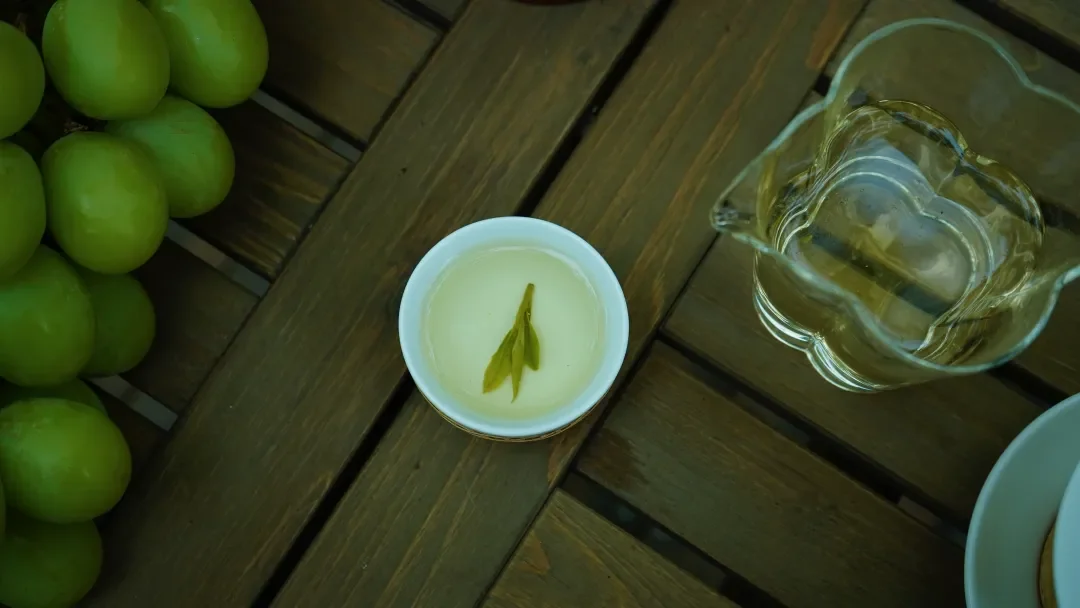
Neither Longjing 43 nor Quntizhong is automatically the better-tasting tea. Longjing 43 is a selected clonal cultivar; Quntizhong refers to a varied seed-grown population. That difference helps explain growing and picking patterns, but your cup also depends on the garden, harvest, firing and storage.
For someone choosing a Chinese green tea, the most useful comparison is between two clearly described finished batches. The plant name gives context; it does not finish the decision.
A clone and a population are different things
Longjing 43 was selected from the Longjing population and is propagated clonally. Plants of a clone share the same genetic identity, although their growing conditions and management can differ.
Quntizhong is not one uniform cultivar in the same sense. Seed-grown plants vary genetically. You may see it described as the traditional local population or ‘old Longjing’; those descriptions do not tell you the age of every bush or the quality of a finished tea.
What can garden photographs show?
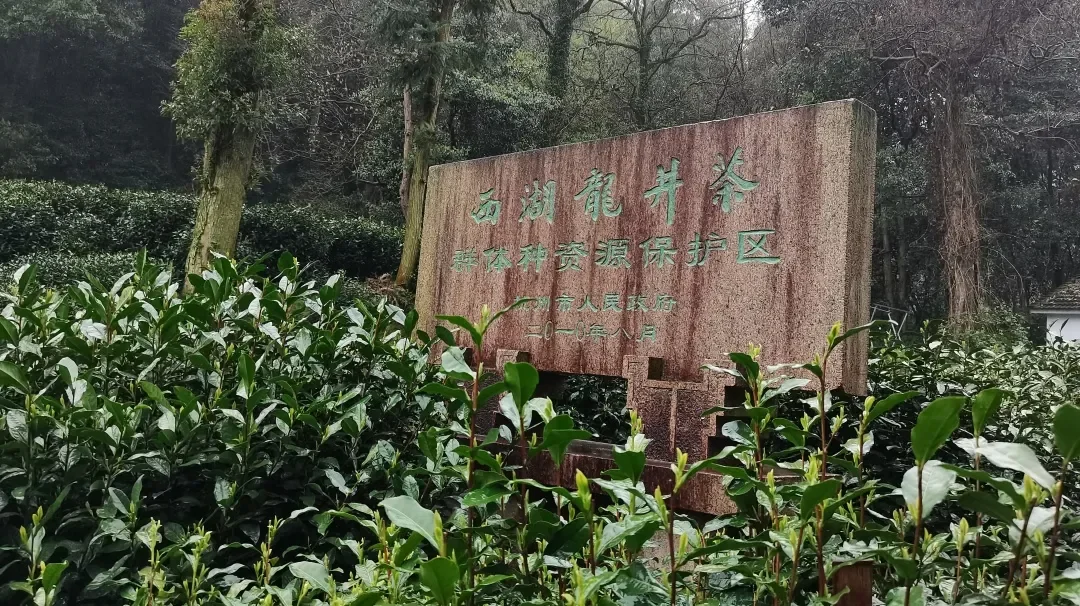
The source compares regular rows with more individually rounded clumps. These photographs help explain planting and management, but the outline of a field is not a dependable identification test.
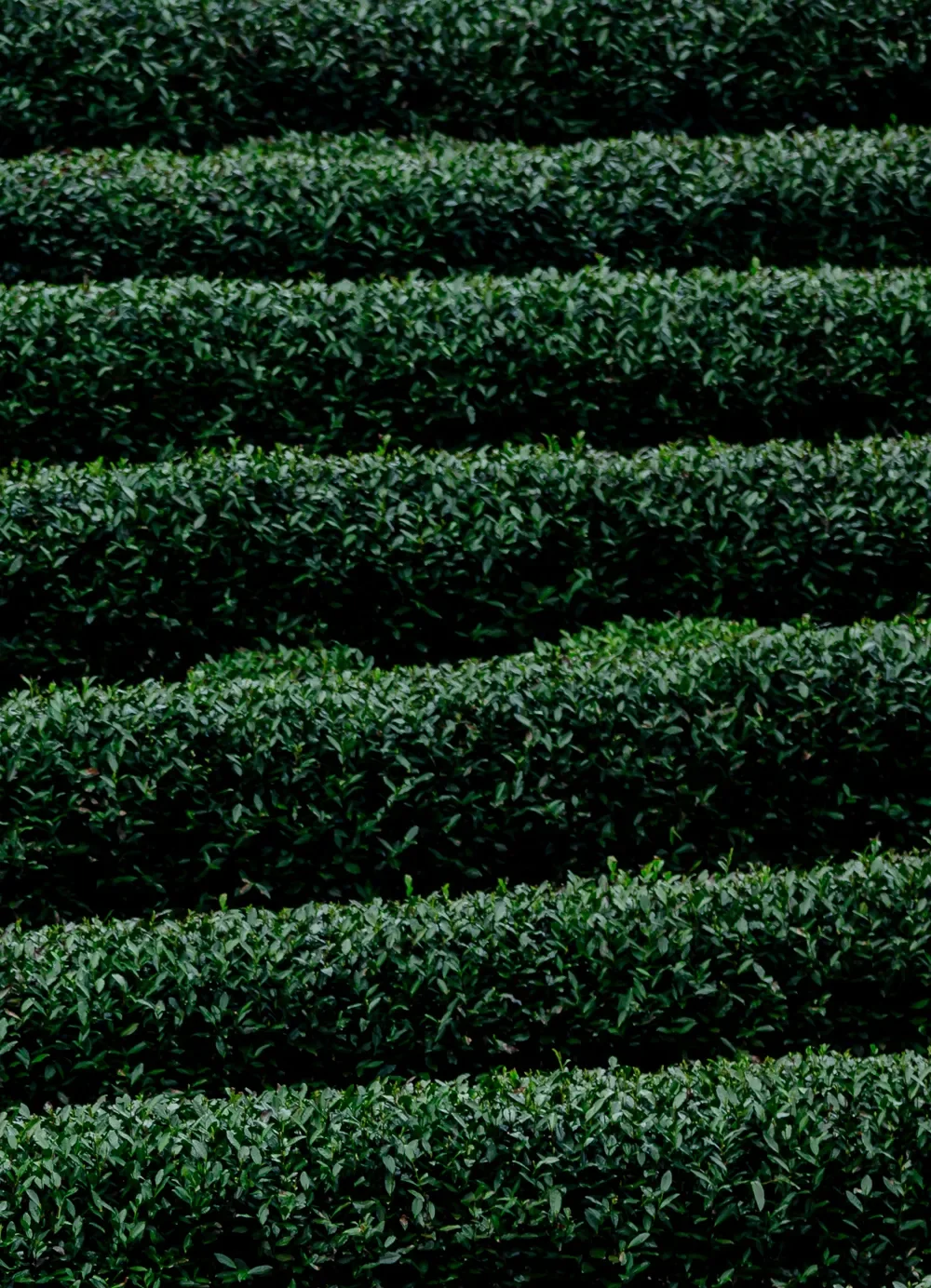
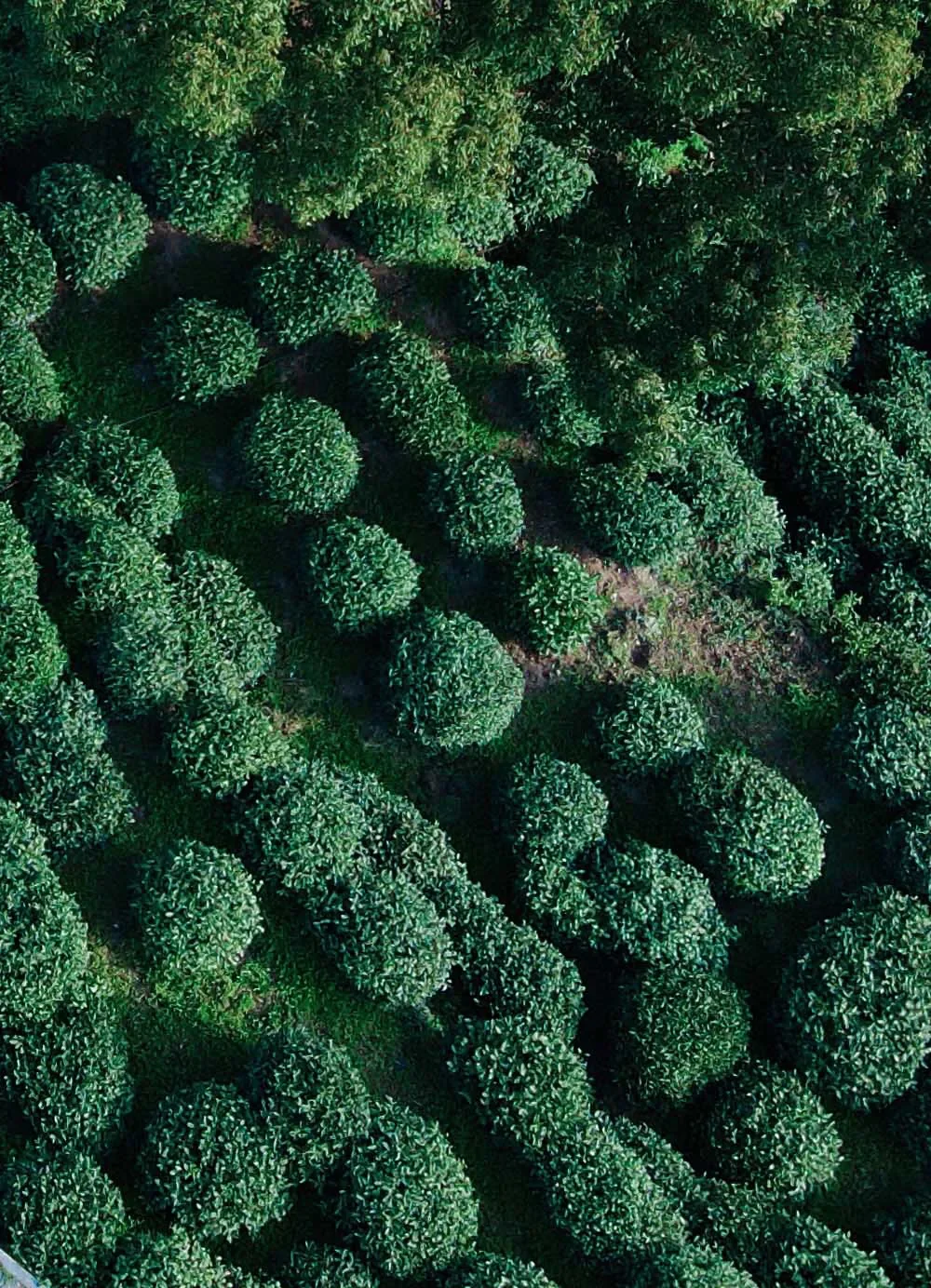
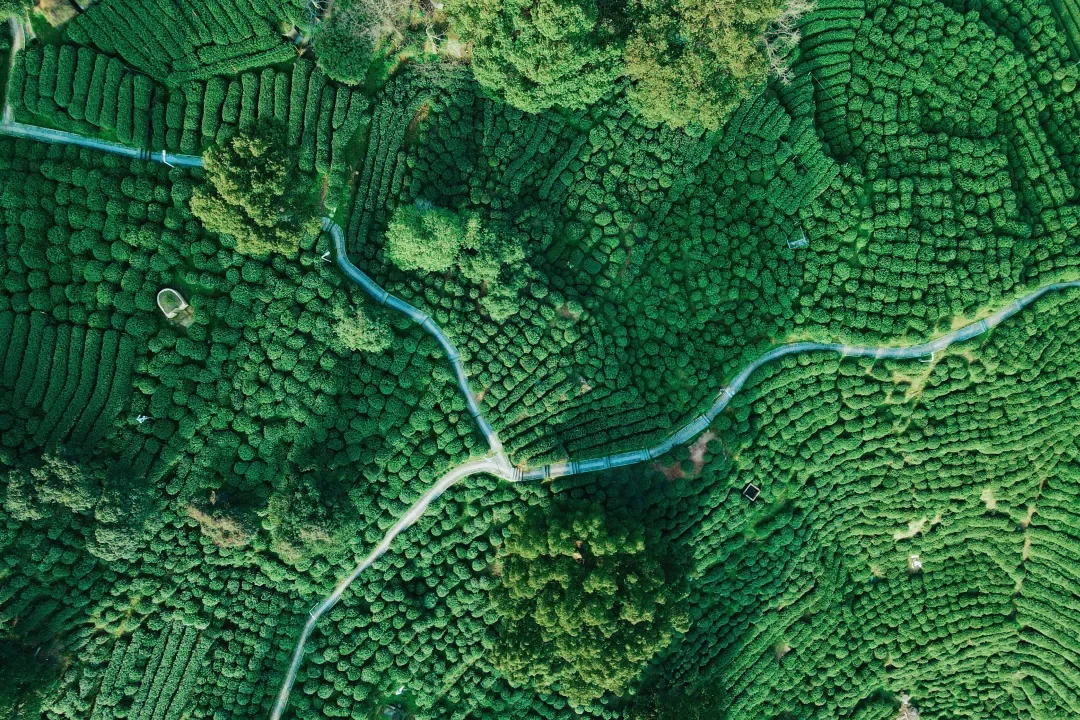
Spacing, pruning, age and replanting also affect garden appearance. Do not use an aerial photograph to certify a tea’s cultivar, or assume it connects the seller’s bag to that garden.
Which is picked earlier?
Longjing 43 generally starts earlier than the local seed-grown population. The exact dates vary with the year and the garden. Hangzhou reporting on the spring harvest illustrates that difference; it should not be read as a permanent calendar for every future season.
An early-starting plant may reach a picking stage before Qingming more readily. This is why a Mingqian label should be read together with cultivar and actual date, rather than used as a universal ranking.
Can the fresh shoots identify the plant?
In a carefully documented grower comparison, leaf shape and growth features can be useful observations. On a shopping page, a few buds photographed under different light are much weaker evidence. Shoot color, a reddish stem or apparent size alone should not be treated as proof.
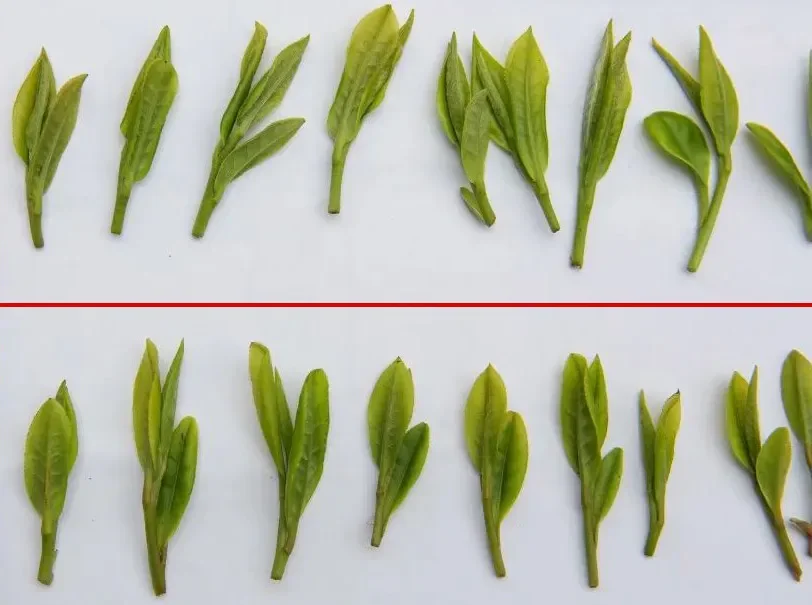
The source included a reveal-style comparison of the same shoots. Here it is presented as one static figure so the explanation stays readable. For a purchase, ask the producer which plants supplied the batch instead of trying to solve a color quiz.
How might the teas differ in flavor?
Descriptions often associate Longjing 43 with neat appearance and fresh spring character, and Quntizhong with a more varied or substantial cup. Treat those as possibilities to explore. A poorly stored example of either is not a fair representative of the plants.
For a useful side-by-side tasting, ask for the same origin and harvest year, similar leaf standards and comparable firing. Brew equal leaf weights with the same water and timing. Note aroma, texture, bitterness, drying sensation and finish, without deciding in advance which should win.
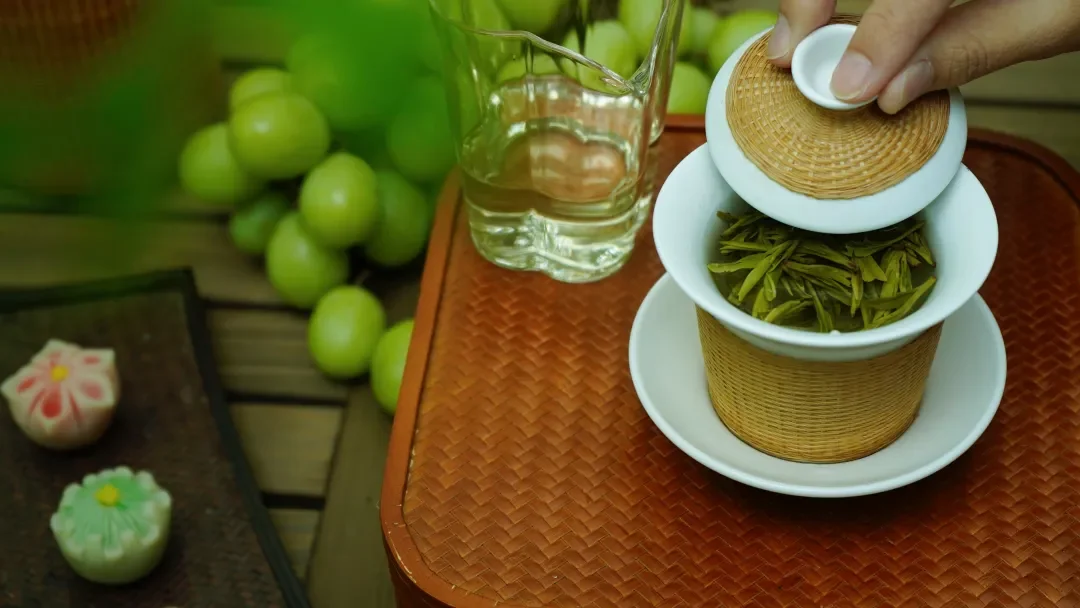
If one cup tastes harsh, repeat with a shorter infusion before blaming the cultivar. Our Longjing brewing guide gives a consistent starting recipe.
Processing can change the comparison
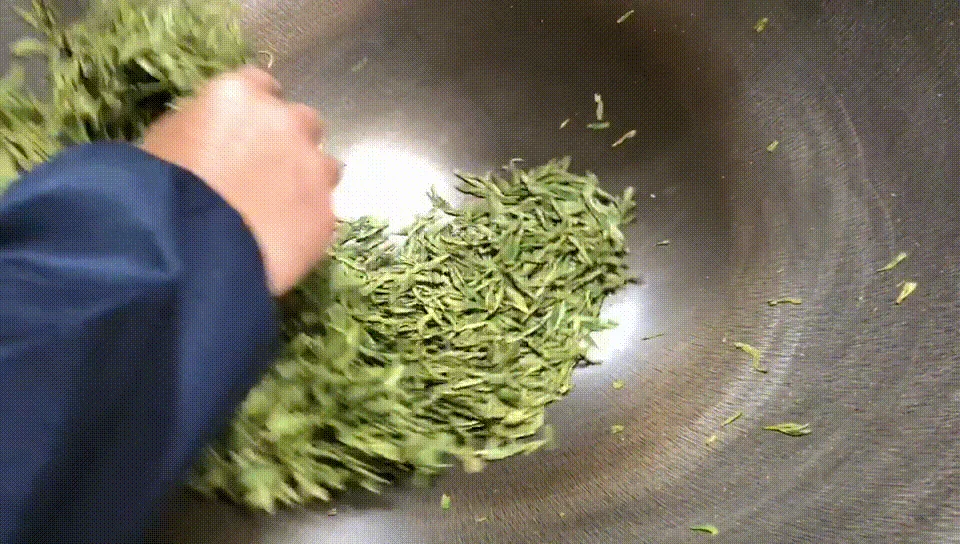
Longjing’s pan-firing and shaping are important parts of its finished character. Two teas from the same plant material can feel different after different handling. If handwork is a selling point, ask which stages were done by hand; a photograph of a wok is context, not evidence for every pack.
Does either name prove West Lake origin?
No. Cultivar and production area are separate facts. A Longjing 43 plant grown outside the designated West Lake area does not become West Lake tea because of its cultivar. Quntizhong is not exclusive proof of West Lake origin either.
Nor should all Shifeng tea be assumed to be Quntizhong. Ask about the actual garden and batch, then check the producer and traceability records. Start with our West Lake Longjing verification checklist for those questions.
Which one should you buy?
If you are curious about the plants, buy a small comparison pair. If you simply want a daily tea, prioritize a well-described batch, sound storage and the flavor you enjoy. There is no need to choose a permanent side in a cultivar debate.
Compare Mingqian and Yuqian harvest terms, or browse the Longjing tea guide for the rest of the series.