चाय और चाय के बर्तनों के मार्गदर्शक
West Lake Longjing Sensory Evaluation: A Gelong Sample
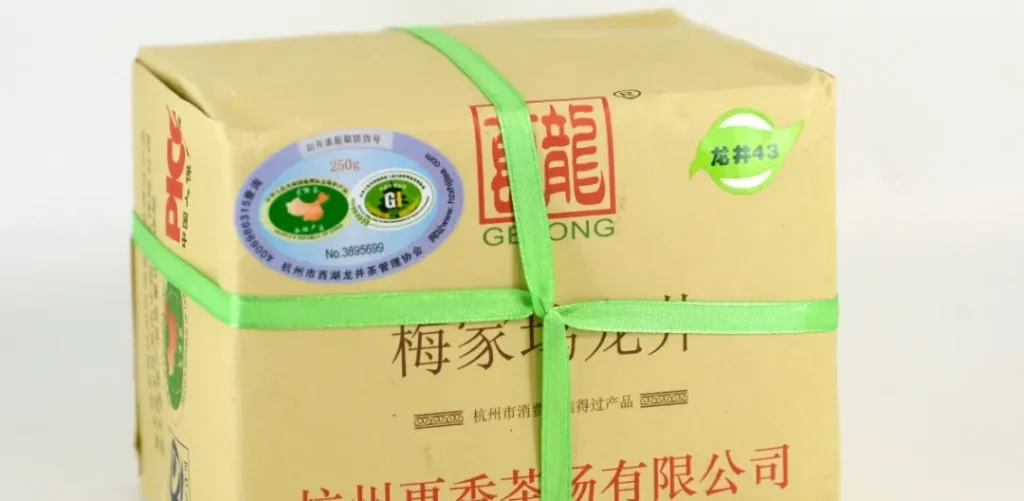
A West Lake Longjing sensory evaluation is most useful when the sample and brewing conditions are recorded alongside the impressions. This article follows a supplied Gelong-brand evaluation sheet, looking at the dry leaf, liquor, aroma, taste and infused leaves in the same sequence as the original.
Scope: these are the source panel’s observations, not a tasting performed by Sandao. The sheet names the Ruimingcun evaluation group and states 20 March 2026 as the evaluation date. That date is transcribed from the document and has not been independently authenticated. The results describe this sample, not all Gelong tea or all West Lake Longjing.
The sample recorded on the sheet
The source identifies a 250 g, pre-Qingming West Lake Longjing product under the Gelong name, produced by Hangzhou Gengxiang Tea Farm Co., Ltd. It records grade 1 and a production date of 10 March 2026. These are document entries rather than independently verified packaging facts. The photograph is retained as context.
Recorded brewing conditions
| Item | Recorded value |
|---|---|
| Tea and water | 3 g / 150 ml purified water |
| Water temperature | 98°C / about 208°F |
| Vessel | Evaluation cup |
| Leaf placement | Leaves first, then water |
| Room temperature / relative humidity | 26°C / 71% |
The sheet does not give an infusion duration or a full scoring formula. Those gaps matter when comparing results. The recorded near-boiling water is an evaluation condition for this sample, not a requirement for everyday glass brewing.
Dry leaf: shape, color and uniformity
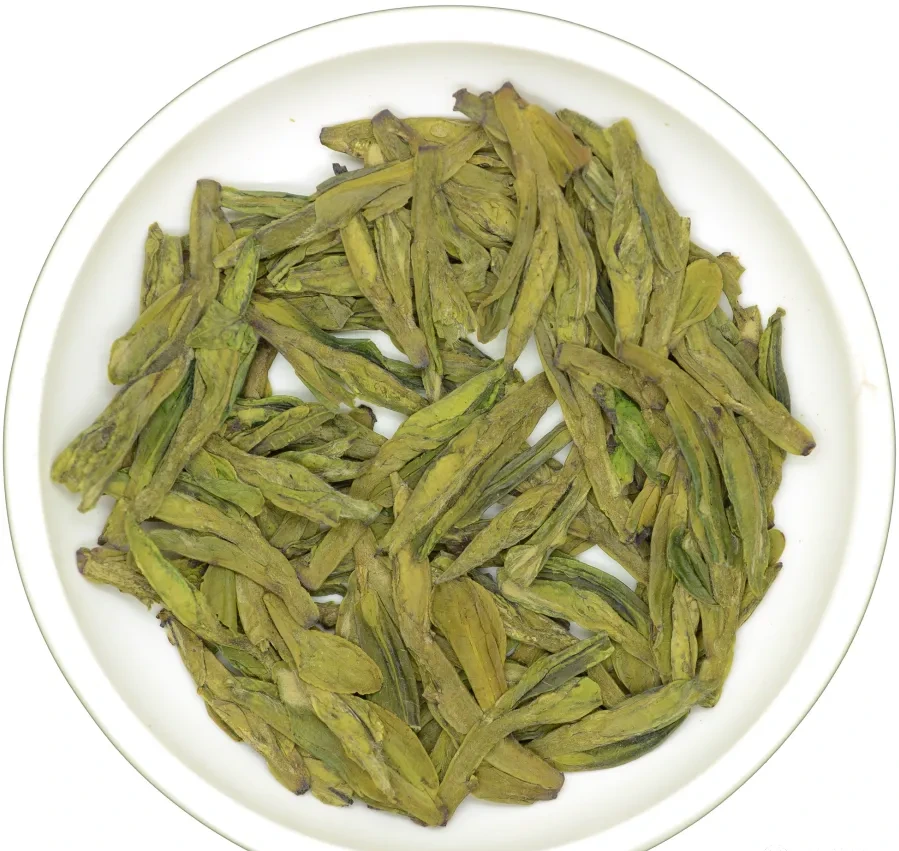
The panel describes the dry tea as flat, tight and smooth, yellow-green in color, with even size and good cleanliness. The appearance score recorded is 95.65. Appearance helps describe preparation and leaf consistency; it cannot independently prove the geographical origin.
Liquor, aroma and taste
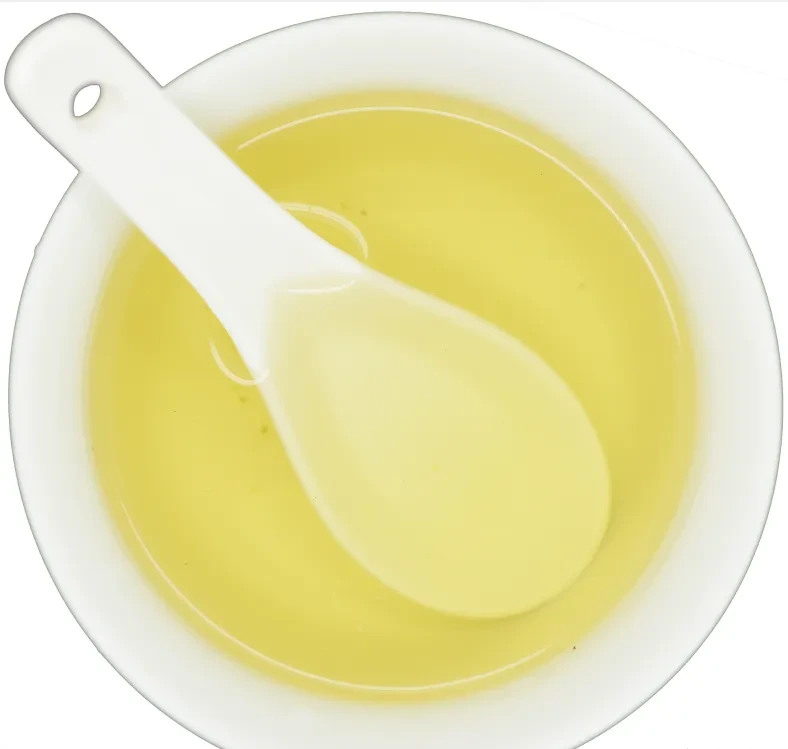
The liquor is described as bright apricot-yellow. The aroma notes emphasize a strong bean-like fragrance, a fresh character and persistence. The narrative also uses a floral impression; these are sensory descriptions, not ingredients added to the tea.
The tasting notes describe body, freshness, salivation and a quick, lasting sweet finish. Such language records the panel’s experience. It does not imply a measured health effect or guarantee that another drinker will use the same words.
| Attribute | Source score |
|---|---|
| Appearance | 95.65 |
| Liquor color | 95.65 |
| Aroma | 96.45 |
| Taste | 96.35 |
| Infused leaves | 95.75 |
| Overall score reported by the sheet | 96.07 |
The overall figure is reproduced as reported. It is not a simple unweighted average of the five component scores, and the source does not provide weights. We have not reconstructed a formula or treated the number as an official certification.
Infused leaves
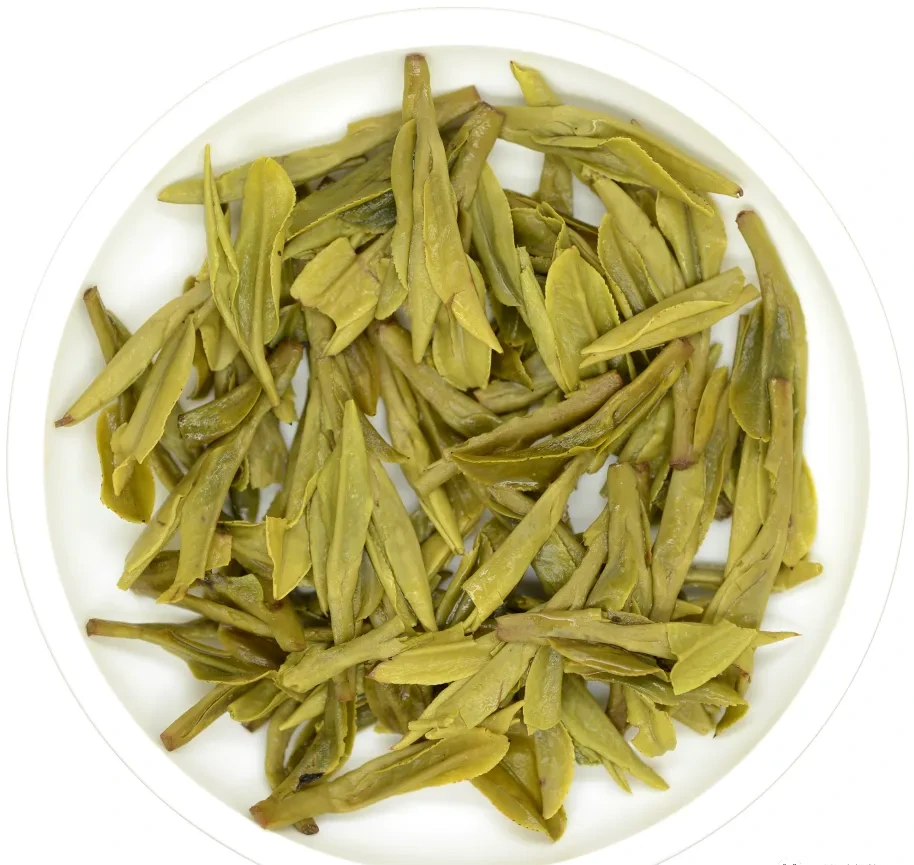
The panel calls the infused leaf tender green, soft, even and lustrous. Looking at the opened leaves is a useful final check on tenderness and consistency. A photograph by itself is not a laboratory test or a reliable cultivar identification method.
Using this approach at home
If you compare two teas, keep the vessel, water, tea weight, temperature and infusion time the same. Write your own observations before reading a seller’s description. Separate what you see from what you smell and taste, then decide what you enjoy.
For ordinary drinking, our brewing guide offers a different starting point. For vocabulary, see what Longjing tastes like. Product standards and a tasting sheet also serve different roles: the national standards database entry for GB/T 18650-2008 does not validate this panel’s scores.
Source: the user-supplied evaluation attributed to Qi Qiuke Diancha. Unverified historical awards, unrelated general origin claims and personal contact details have not been reproduced. A field labeled “execution standard” contains a brand name in the source, so it is not presented here as a valid standard number.