चाय और चाय के बर्तनों के मार्गदर्शक
Lapsang Souchong Price Guide: Compare Cost per Cup
There is no universal “correct” price for everyday Lapsang Souchong. Origin, picking, processing, packaging and the retail channel all affect what you pay. The useful question is what the price buys in a specific, clearly described tea.
Convert every pack to the same weight
Divide the item price by its net grams and multiply by 100. A hypothetical 100 g pack costing RMB 120 works out at RMB 120 per 100 g. A 50 g pack costing RMB 70 works out at RMB 140 per 100 g. These are calculation examples, not current market quotes.
At a 5 g leaf dose, those examples cost RMB 6 and RMB 7 per brewing session before delivery charges. Several gongfu cups from the same leaves belong to one session; avoid dividing by a promised infusion count that you have not tested.


Separate leaf quality from presentation
A gift box, smaller individual sachets and a well-known label can raise retail cost without changing every aspect of the cup. Compare teas with similar origin statements, picking and processing. A bud-heavy Jin Jun Mei is not a like-for-like substitute for a leafier daily Lapsang.


Why the source photographs are not a price ranking
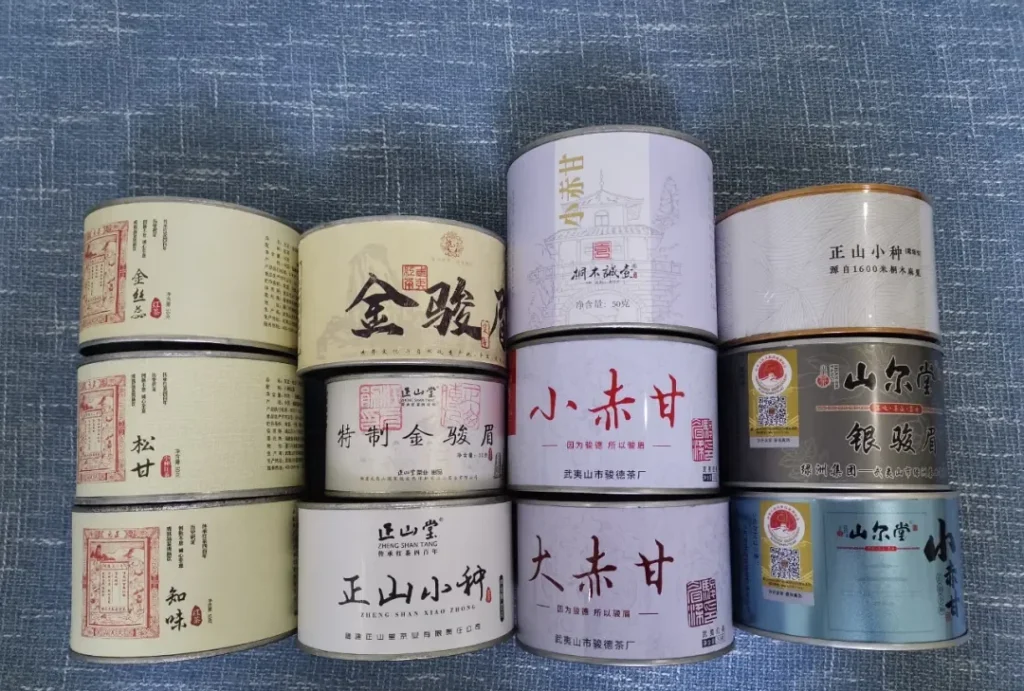
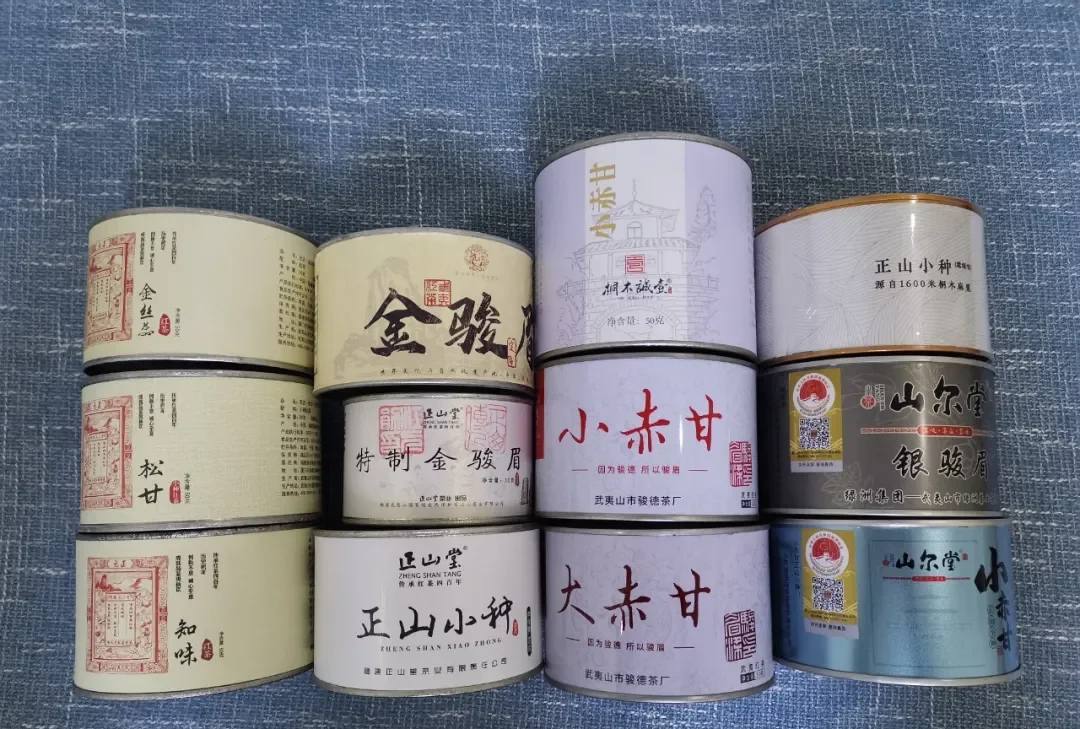
The tins and tea samples shown here are examples from the supplied material. They document what that source compared, not Sandao's independent tasting or a current retailer offer. Product lines, pack sizes and promotions change, so earlier prices should not be republished as today's quotations.


Buy less before buying better
Choose two or three small samples, record your brewing dose and compare the cups at a similar strength. Ask whether the costlier one offers a difference you actually enjoy. Shipping, taxes and the seller's return conditions also belong in an overseas buyer's comparison.

For a regular tea, clear information, a clean cup and a price that suits your drinking habit matter more than a dramatic discount or a “top tier” label. Recheck the exact listing before every reorder.