お茶と茶器のガイド
Handmade vs Machine-Made Keemun: What Changes?
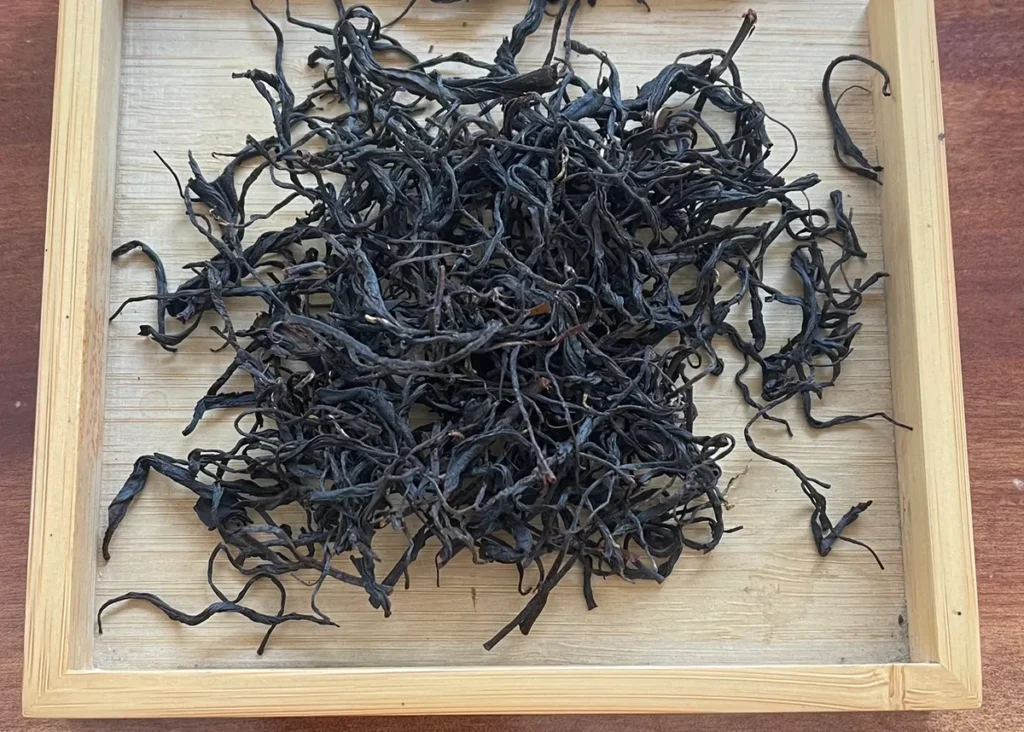
Handwork can give a tea maker close control over small batches; machinery can help manage repeatable processing at scale. Neither word guarantees the quality of the finished Keemun. The leaf material, operator’s judgment, process and storage still matter.
In practice, a producer may combine hand and machine work. Ask which stages are manual rather than assuming “handmade” means that no equipment was used anywhere.
Where the maker’s judgment enters the process
Withering, rolling, oxidation and drying all involve decisions about the condition of the leaves. A skilled maker can observe changes and adjust timing or handling. In a mechanized line, an experienced operator can also change settings and respond to the material; a machine is not necessarily left to run without supervision.
Traditional Keemun Gongfu also depends on refining and sorting. The national heritage register describes this craft as more than simply shaping a leaf by hand.
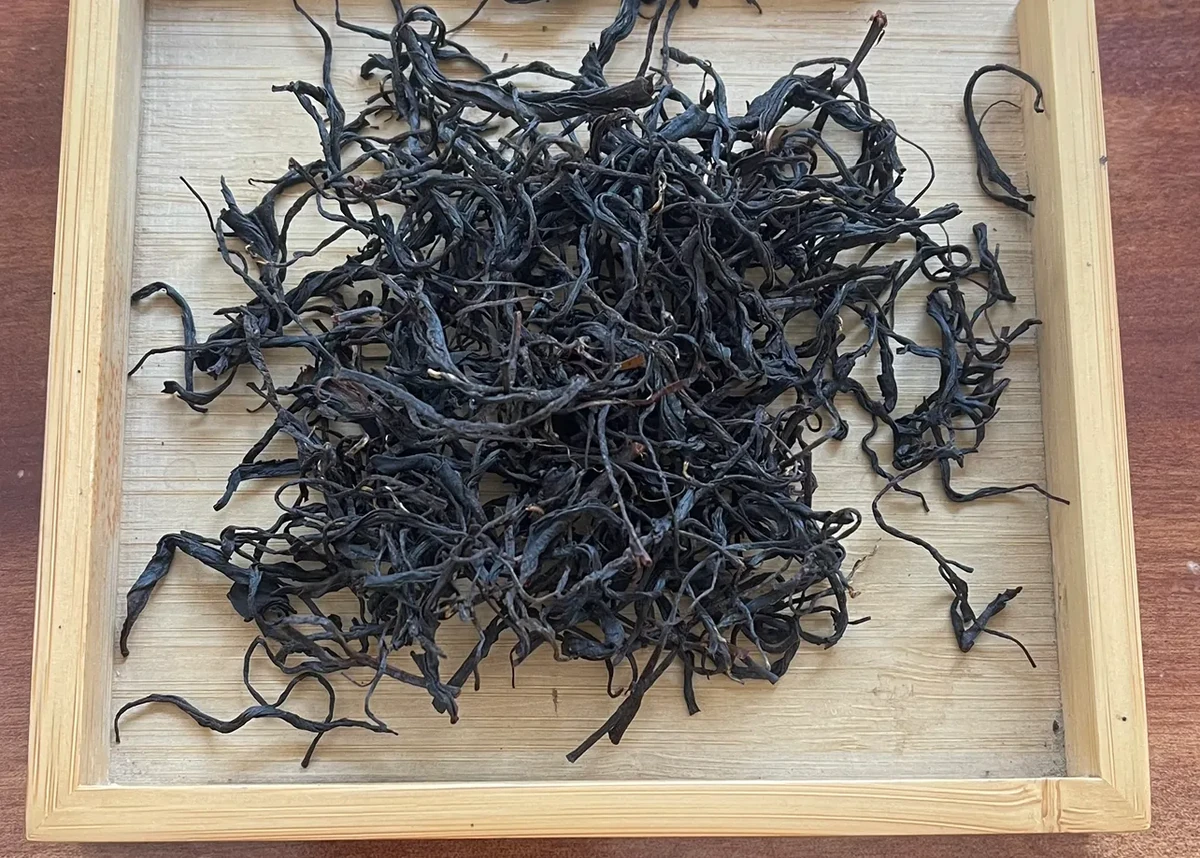
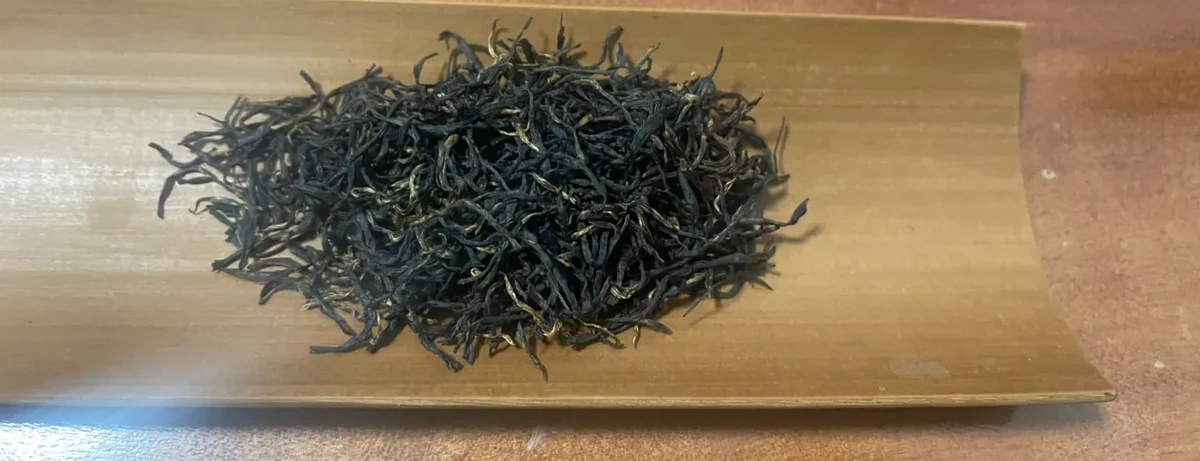
Handmade and machine-made sample photographs
The two photographs below were supplied as a handmade-versus-machine-made illustration. They are not a controlled trial using identical leaves and conditions. Their different appearances cannot tell us which tea tastes better, or authenticate an unrelated retail batch.
Four differences worth discussing
| Question | Handwork may offer | Machinery may offer |
|---|---|---|
| Adjustment | Close handling of small quantities, guided by the maker’s observations | Repeatable settings, with adjustments made by trained operators |
| Consistency | A distinctive small-batch result, with variation between batches | More standardized handling when equipment and inputs are well managed |
| Output and labor | More direct labor and limited throughput | Higher throughput and less manual work at some stages |
| Price | Labor and scarcity can raise cost | Scale can reduce processing cost; other product costs still apply |
These are possible advantages, not universal outcomes. Poorly handled handwork can be inconsistent; poorly managed machinery can produce poor tea efficiently. Good results need care in either case.
What does a handmade premium pay for?
It may pay for skilled time, a small production run, special sorting or a particular maker’s selection. Ask the seller to explain that work in ordinary terms. “Handmade” without a process description gives you very little to compare.
The opposite shortcut is also unhelpful: machine-made does not mean fake, and a more affordable tea can be a sensible everyday choice. Compare the price per unit of tea, then taste the actual product.
Questions to ask a producer
- Which stages are performed by hand, and which use equipment?
- What leaf style and grade does this product claim?
- Is the description about this batch or the brand’s general tradition?
- Can I compare a small sample before buying a larger pack?
When tasting, use comparable strength and the same water. Note clean aroma, balance, body and finish rather than guessing the equipment from the leaf shape. A carefully documented process and a cup you enjoy make a stronger buying case than a label alone.
More questions? Browse the Keemun black tea topic guide or compare the current Keemun tea collection.