О чае и чайной посуде
Why Does Lapsang Souchong Taste Smoky or Like Bacon?
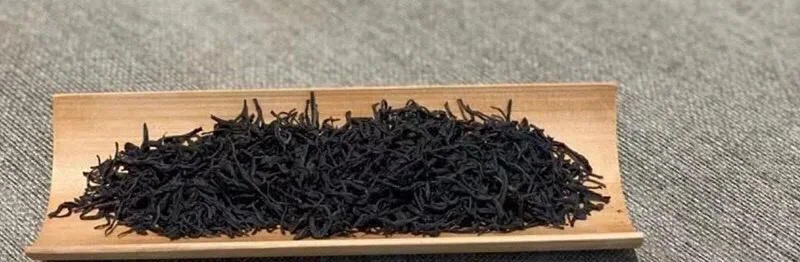
Smoked Lapsang Souchong gets its characteristic aroma from exposure to wood smoke during tea manufacture. Some drinkers describe it as a campfire, pine wood, smoked bacon or a fireplace. “Bacon” is a sensory comparison; it does not mean the tea contains meat.
How smoke becomes part of the tea
In traditional production, smoke and heat are managed as part of the processing. A tea-making building often called a qinglou provides space for the work. It is the processing environment, rather than a flavor that appears simply because a tea bush grows near pine trees.
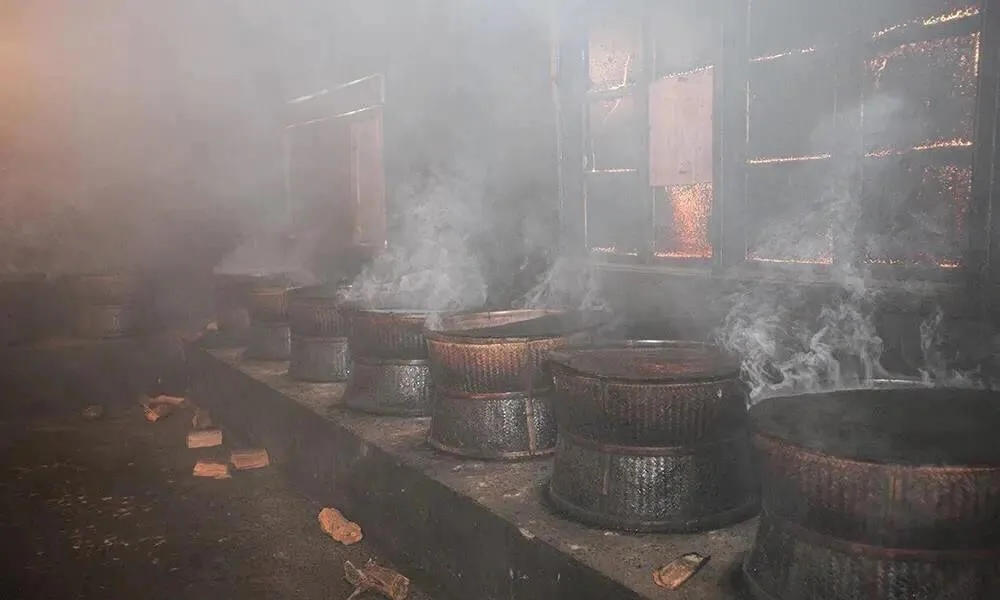
The exact building layout, fuel sourcing and smoking sequence can vary. It would be misleading to insist that every authentic producer must use identical wood, the same number of smoking rounds or timber taken from a protected forest. A photograph of a traditional workshop cannot establish those details for a retail batch.
Why does it remind people of savory food?
Our smell memories link similar smoky impressions across very different foods and drinks. One person may think of a wood fire, another of smoked bacon. Underneath that impression, the cup can still have sweetness, dried-fruit notes and the body of black tea.
The comparison is not an ingredient declaration. If you need to avoid a specific ingredient, read the actual label and ask the producer; do not infer ingredients from a reviewer's metaphor.

Does all Lapsang taste this way?
No. Unsmoked Zhengshan Xiaozhong is also sold, and smoke intensity varies among smoked products. A powerful smoky aroma does not prove Tongmu origin or superior quality. Origin and process should both be explained by the seller.
If the smoke is too much
Try fewer leaves, a shorter infusion or a little milk after tasting. Use a neutral cup and keep the tea away from delicate leaves in storage. If a modest brew is still too assertive, an unsmoked version may suit you better. You do not have to learn to love heavy smoke to enjoy this Chinese black tea tradition.