О чае и чайной посуде
Wuyi Rock Tea Roast Levels: Light, Medium and Full
Roast level changes how Wuyi rock tea presents its fragrance and body. A light roast can emphasize a brighter floral side; a medium roast often balances those notes with a rounder feel; a fuller roast can bring deeper toasted, nutty or woody impressions. These are style descriptions, not a ladder from cheap tea to good tea.
What changes from light to full roast?
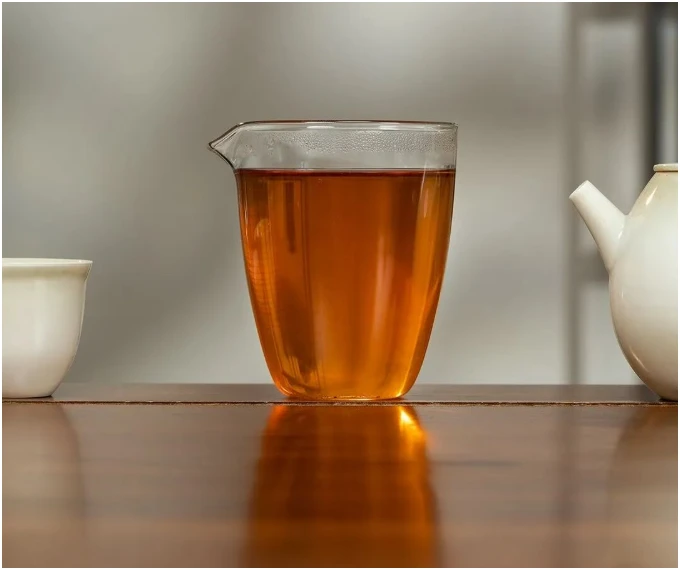
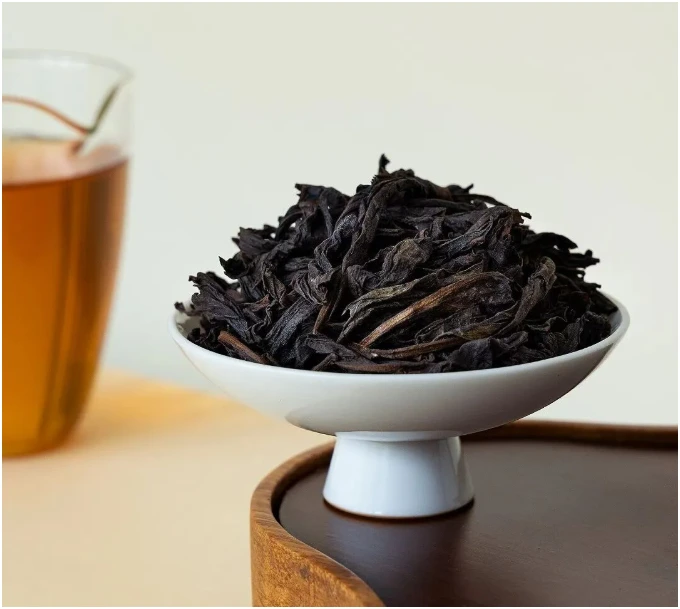
With a lighter roast, leaves may retain more green-brown tones and the liquor may look brighter yellow. More developed roasting often brings darker leaves and deeper amber liquor. Neither color has a fixed value across all cultivars. Smell and taste matter more: a successful roast should leave room for the tea’s own character, without an overpowering burnt note.

Resting is a batch-specific decision
Recently roasted tea may need time for its aroma to settle. Heavier roasting often calls for a longer rest, but packing, roast method and the intended style affect the result. Ask for the final roasting date and the producer’s suggested drinking window. Do not apply a rigid one-month or six-month rule to every tea carrying the same roast label.

What extraction research means for brewing
Research comparing roast levels found that both water temperature and infusion time influenced the extraction of compounds. Higher temperatures increased extraction in the tested teas. Laboratory infusions lasting minutes are not the same as repeated, brief gongfu pours, so an extraction maximum should not be treated as a recommended drinking method or a quality score.
Choose by preference, then adjust the brew
For a starting comparison, use about 5–7 g per 100 mL of water in a gaiwan and begin with short infusions. Increase time gradually and adjust the dose to your tea and taste. Use the same setup when comparing roasts. If one tea seems aggressive, try less leaf or a shorter steep before deciding that its roast style is unsuitable.