О чае и чайной посуде
Wild Black Tea vs Garden Tea: Is Wild Always Better?
Start by asking what “wild” means
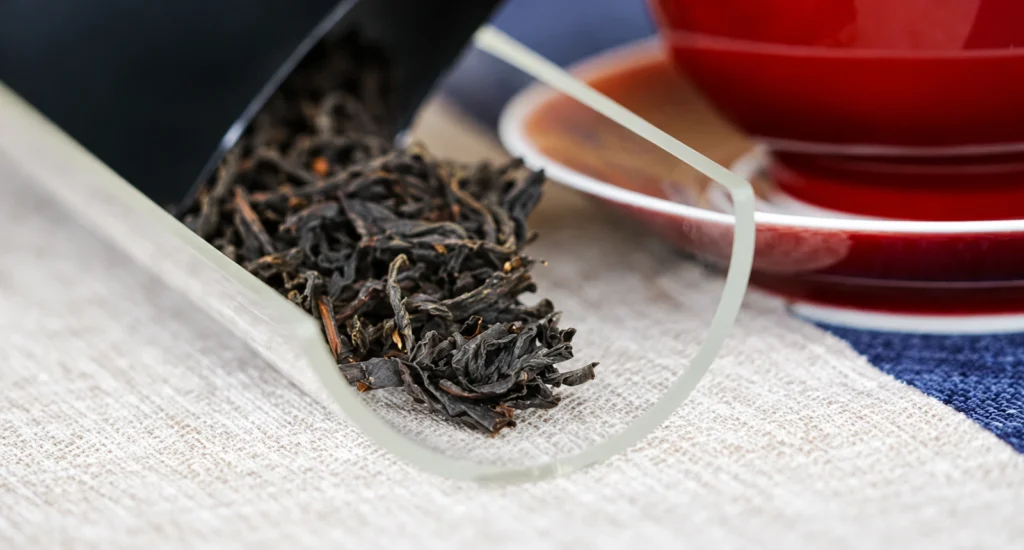
A tea described as wild can sound more distinctive before the kettle has even boiled. But in the tea trade, ‘wild,’ ‘wild-grown’ and ‘abandoned-garden tea’ are not always used consistently. Some material comes from formerly managed tea bushes that have grown with little intervention; other descriptions refer to a wooded setting or an older planting.
The label alone does not establish a botanical identity, an organic certification or a quality grade. Ask the seller what the term means for the particular batch, where it was harvested and how that information is documented.
What the source comparison actually tested
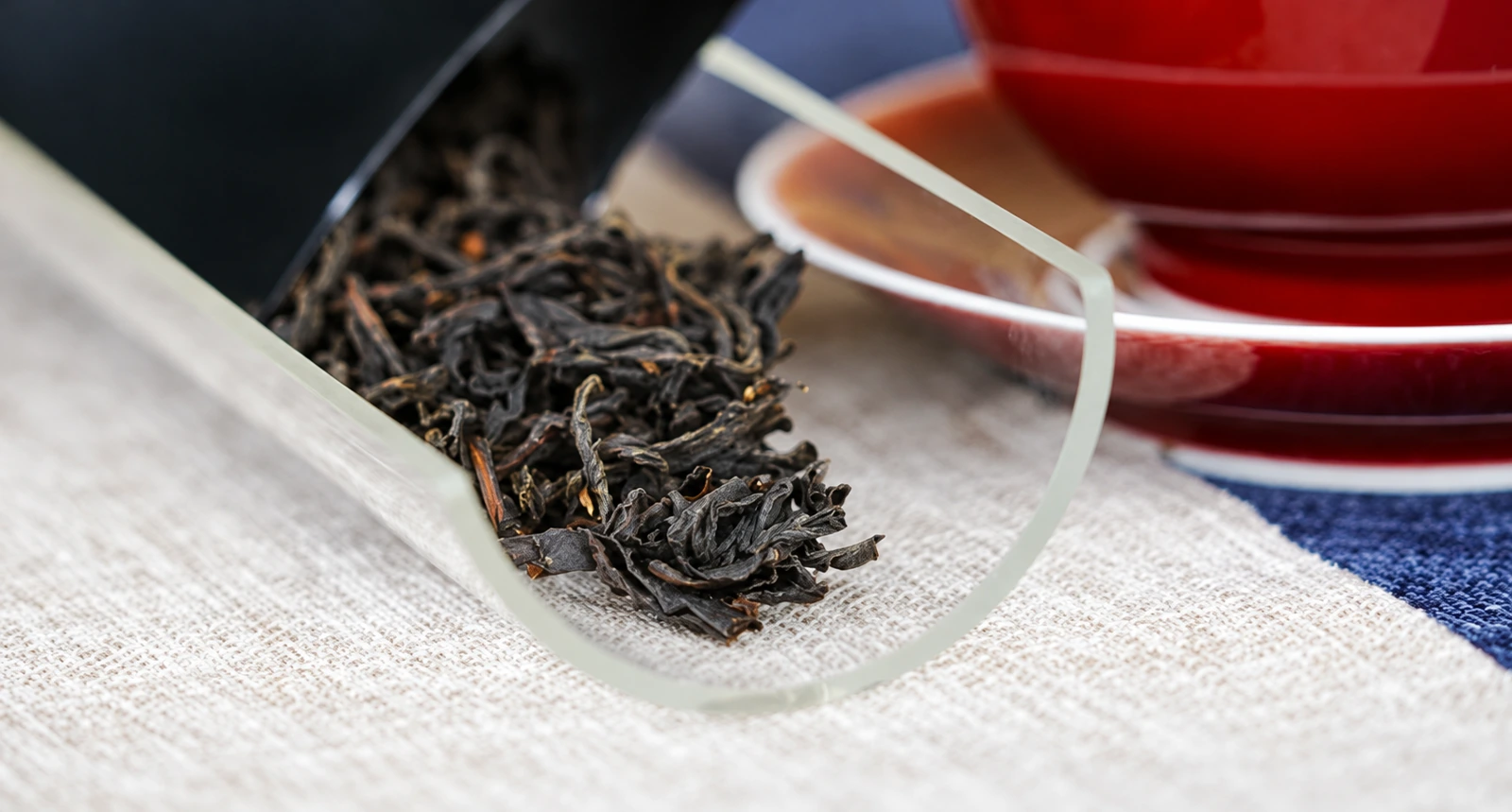
The source discusses a study using material described as wild tea and garden caicha from Fu’an, Fujian. Both were processed into black tea through withering, rolling, oxidation and drying, then compared by composition and sensory assessment.
The wild sample was reported to have more water-extractable material, soluble sugars and free amino acids, together with differences in catechins and oxidation pigments. Those differences offer possible explanations for the stronger body and sweeter impression reported by the tasters. They are not a guarantee for every tea sold as wild.
A richer cup is a sensory finding, not a health claim
The source’s sensory panel described the wild sample as fuller, smoother and more aromatic, with floral and woody or pine-like notes. The garden sample had a different balance and a finer-looking leaf appearance. Aroma words remain tasting descriptions; a pine-like note does not by itself prove either a wild origin or a smoking process.
A laboratory measurement of flavonoids or amino acids cannot establish a superior health outcome from drinking one sample. This edition therefore keeps the flavor comparison without repeating the original leap from composition to therapeutic benefit.
Why one experiment cannot rank every tea garden
Cultivar, picking standard, season, leaf maturity, processing skill and storage can all affect the cup. A comparison of a small number of samples cannot isolate every influence of an unmanaged growing environment. An excellent managed garden can produce better tea than poorly handled wild material.
Nor should ‘old-bush character’ become a substitute for traceability. It can describe a woody, lingering sensory impression, but it is not a reliable method for calculating the age of the bushes.
A fair way to compare before buying
Taste a small sample beside a garden-grown tea at a similar price. Use equal leaf weights, the same water and the same infusion time. Note aroma, texture, bitterness, astringency and the finish across several infusions—not just the first impressive sniff.
Pay for the tea you enjoy and the information the seller can substantiate. ‘Wild’ can be a useful part of a tea’s story; it should not do all the work of proving its value.
Related black tea guides
Source attribution
Reprinted from Dong Cha Di (懂茶帝), an independent tea media publication. Edited and translated into English by Sandao; promotional material has been removed and research findings are presented within their limits.