أدلة الشاي وأدواته
Phoenix Dancong Tasting: How to Compare Five Aroma Styles
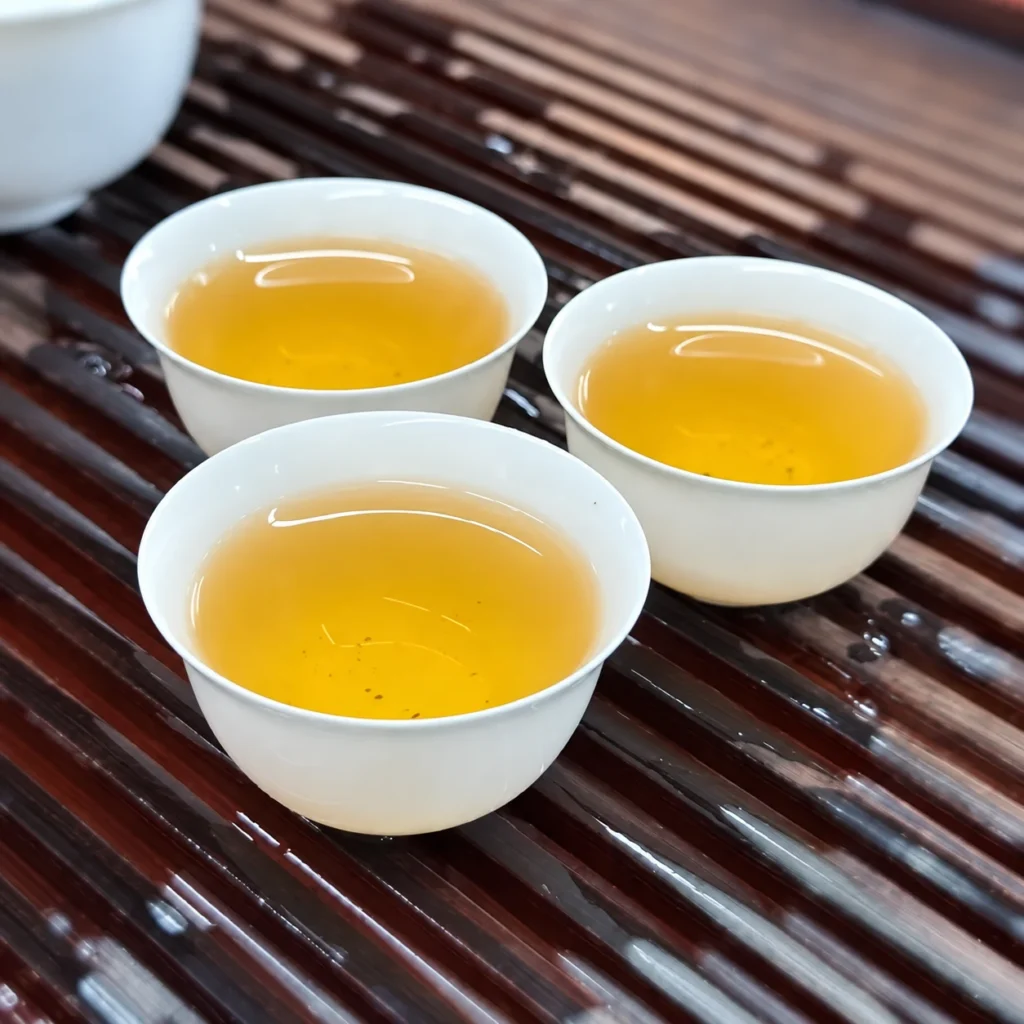
A small Phoenix Dancong tasting flight can teach you more than buying several large tins. The five names in this set—Ao Fu Hou, Ye Lai Xiang, You Hua Xiang, Mi Lan Xiang and Ya Shi Xiang—provide a starting list for comparison. The aim is to build your own flavor memory, rather than repeat a seller’s description.
A name on a packet does not make every batch identical. Ask for the Chinese name, harvest information and roast details, especially when an unfamiliar name such as Ao Fu Hou appears. Keep the original packet so you can trace the sample later.
Set up a fair comparison
Use matching gaiwans or small tasting vessels, one water source and measured leaf portions. Brew each sample with the same starting ratio and timing. That makes the first comparison useful; adjust an individual tea later if it clearly needs a different approach.
Five teas can be a lot to assess at once. Split them into two shorter sessions if your palate becomes tired, and leave time between cups. Plain water is more useful than a heavily flavored snack during the comparison.
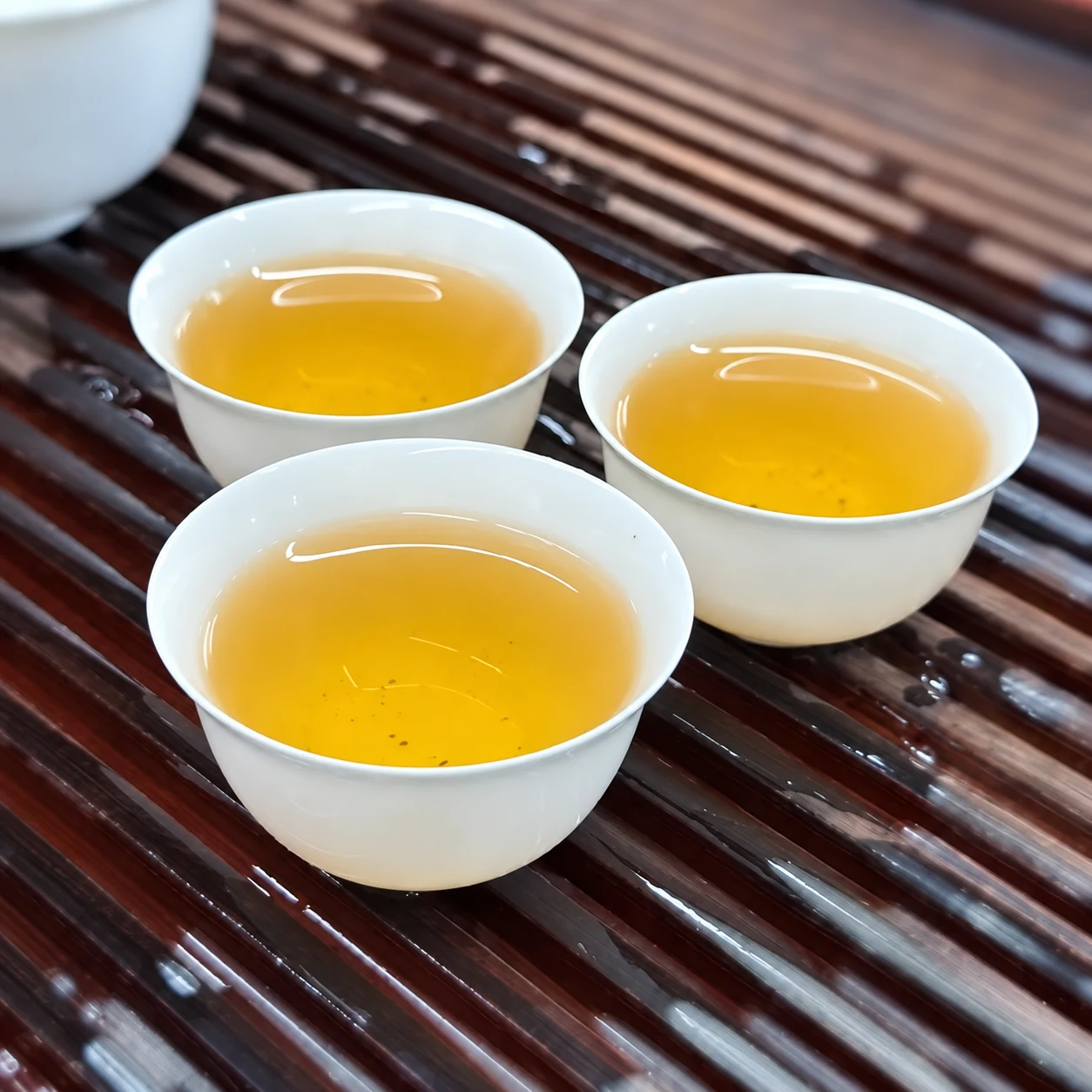
Use the names as prompts, not answers
Mi Lan Xiang suggests a honey-and-orchid direction; Ya Shi Xiang invites attention to its floral character. Ye Lai Xiang and You Hua Xiang carry night-flower and pomelo-blossom references in their names. These comparisons are tasting language, not proof that flowers were added.
For Ao Fu Hou, avoid forcing an unfamiliar sample into a floral category based only on its name. Write down what you actually notice first. If two packets seem surprisingly similar, check roast and freshness before concluding that either one is mislabeled.
Record four things in each infusion
Write a few words for aroma, mouthfeel, finish and change across infusions. “Light flowers, smooth, short finish” is a more useful personal note than a long list of impressive flavors you cannot find again.
Smell the warm lid, taste the liquor at a comfortable temperature and revisit the cup as it cools. Some teas have a dramatic opening and fade quickly; others become more interesting after the roast recedes. The winner is the tea you would choose to brew again, not necessarily the loudest first cup.
Choose a useful sample set
Look for clear labels, enough leaf for more than one session and comparable information for every tea. A claimed mountain origin or tree age should come with traceable details. Gift packaging and discounts do not make a tasting set more informative.
This is a comparison method, not a review or ranking of a particular commercial set. Repeat the exercise after a few weeks: your own notes will show which differences remain meaningful.
Related oolong tea guides
- Mi Lan Xiang Dancong: Why Tea Drinkers Return to Honey Orchid
- Which Phoenix Dancong to Try? Three Classic Aroma Styles
- Wudong Old-Tree Mi Lan Xiang: Origin, Buying & Brewing