Tea & Teaware Guides
Wudong Old-Tree Mi Lan Xiang: Origin, Buying & Brewing
Wudong old-tree Mi Lan Xiang brings together three different ideas: Wudong is an origin name associated with the Phoenix Mountains of Chaozhou, China; old-tree is a claim about the source plants; and Mi Lan Xiang describes the honey-orchid tea style. Separating them makes the tea easier to understand and buy.
The attraction is a combination of honeyed depth, floral fragrance and a rounded finish. Those qualities still have to be demonstrated by the actual batch. A prestigious name cannot do the tasting for you.
What an old tea tree can—and cannot—prove
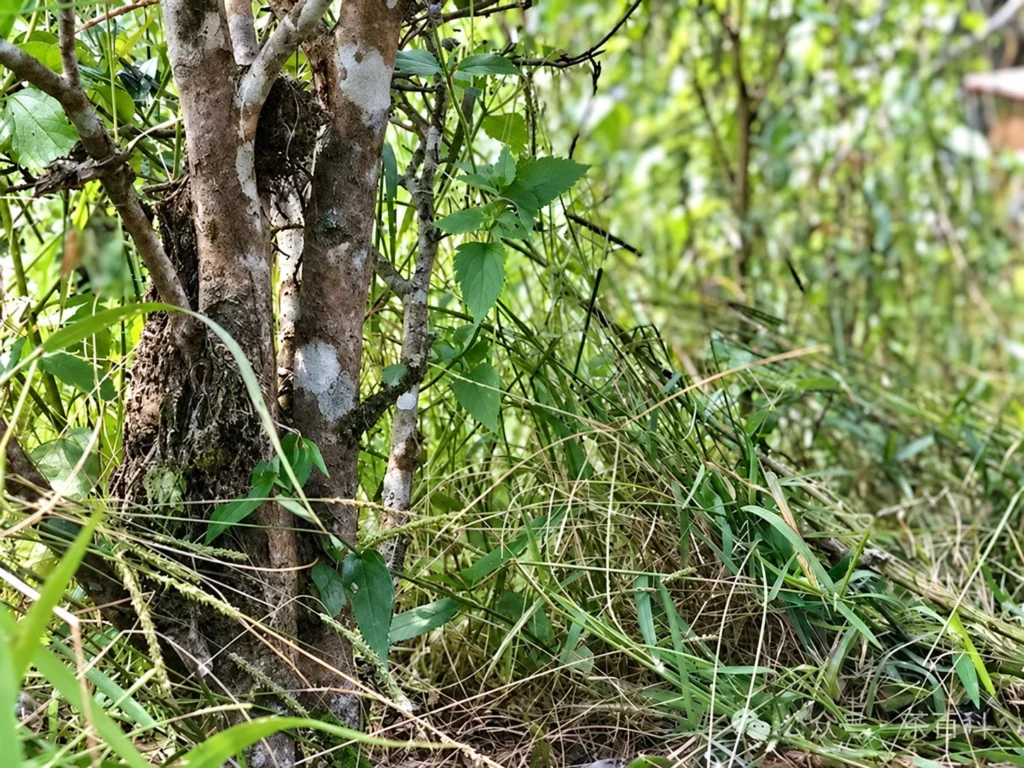
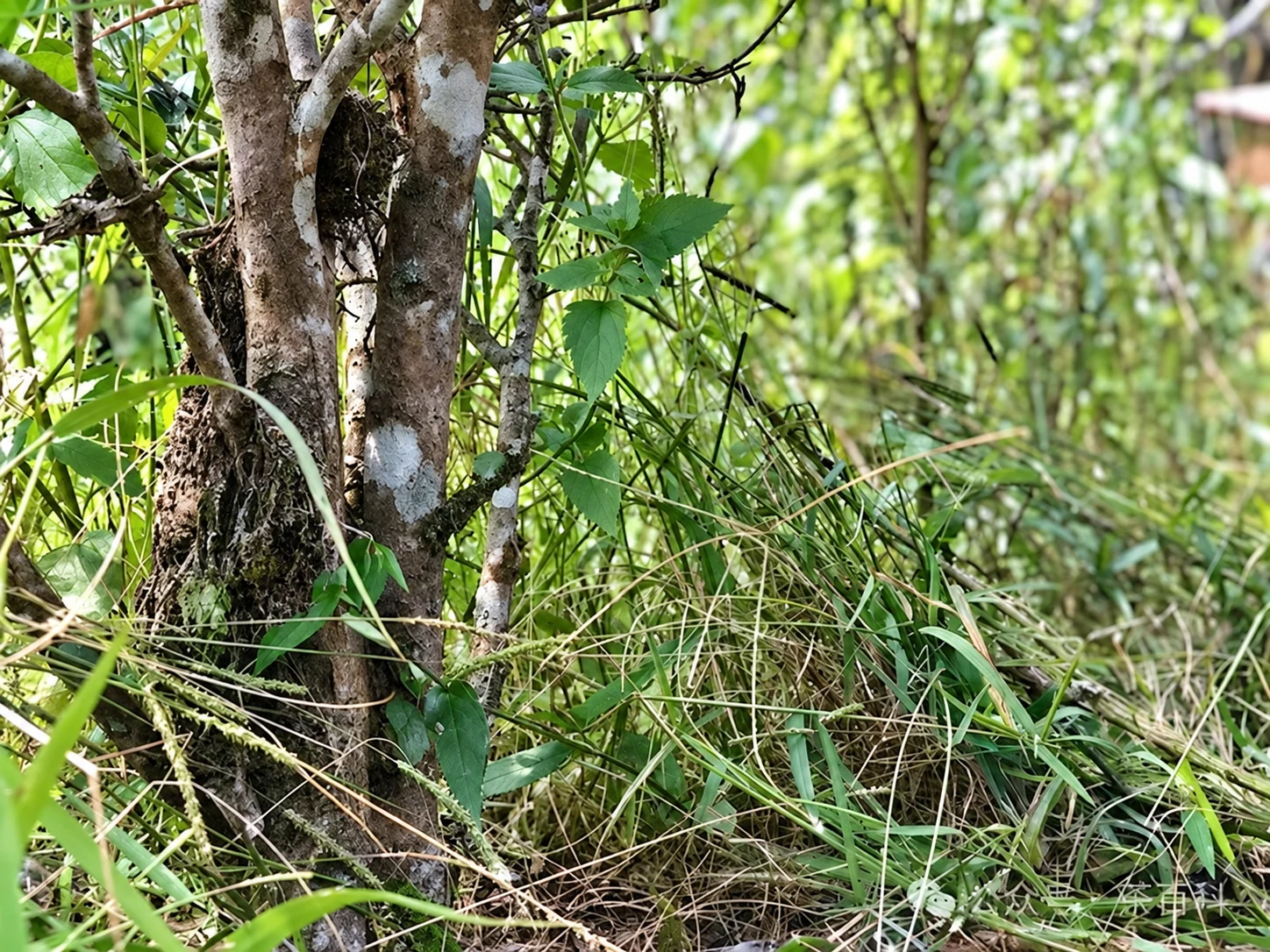
An old trunk and a woodland setting can be interesting context, but neither proves the age or provenance of a packet of tea. “Old-tree” is not a universal minimum-age guarantee, and lichens on bark do not establish that a finished tea is pesticide-free.
Ask for the village or plot, producer, picking season and batch information. Treat an exact age or elevation as a claim requiring evidence. Good traceability is more useful than trying to estimate years from a photograph.
Honey, flowers and a possible woody finish
Mi Lan Xiang can suggest honey, cooked fruit or sweet potato alongside a floral note. Some roasted or mature-tree examples are described as woody in the finish, but a woody impression cannot authenticate tree age.
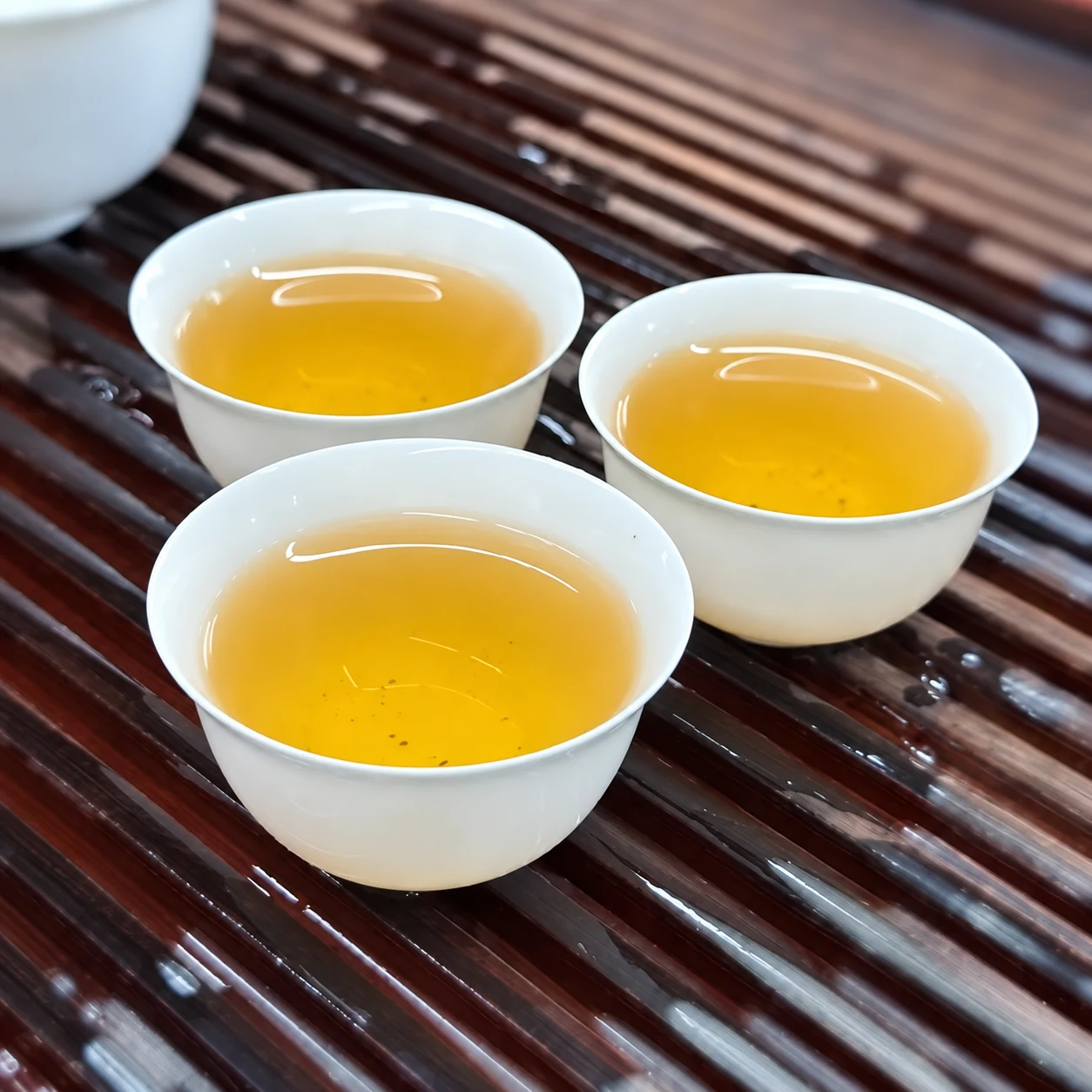
Evaluate whether sweetness and fragrance are supported by a clean, comfortable liquor. Persistent smoke, harsh char or dampness should not be excused as mountain character. Taste the tea at several temperatures and across successive infusions.
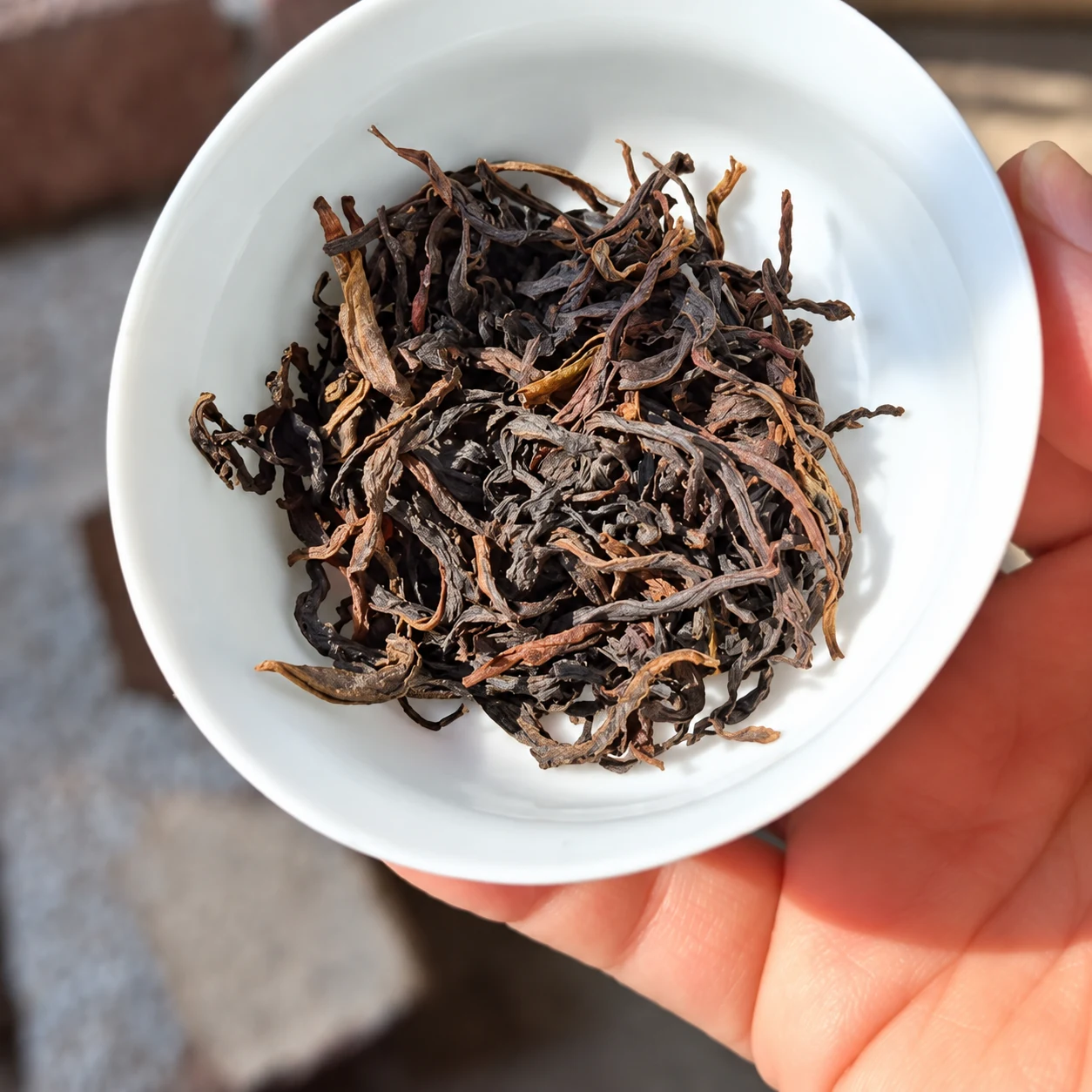
Charcoal roasting is a process, not an ingredient
Roasting helps develop and balance the finished tea’s character. Traditional charcoal roasting uses controlled heat; a tea should not need direct flame or a smoky taste to prove that it was charcoal-roasted. Claims about a particular firewood or roast schedule should be checked with the producer.
After roasting, a resting period may allow a sharp roast note to settle. The right duration depends on the batch and storage. Neither a fixed month count nor a dark leaf color guarantees a mellow cup.
A flexible gaiwan brewing method
Start with about 5 grams of tea in a 100–120 milliliter gaiwan. Use water around 95–100°C, or 203–212°F, and pour the first infusion promptly. If the cup is too strong or drying, use less leaf or a shorter infusion.
As the leaves open, adjust the timing to the cup rather than following a rigid rule for the fourth or fifth brew. Drain the gaiwan completely between infusions. A small porcelain vessel makes it easier to compare aroma and texture without introducing another strongly seasoned surface.
Count worthwhile cups, not a promised number of infusions. Stop when the liquor becomes thin or unbalanced; a claim of fifteen brews is not a reliable quality standard.
Related oolong tea guides
- Mi Lan Xiang Dancong: Why Tea Drinkers Return to Honey Orchid
- Which Phoenix Dancong to Try? Three Classic Aroma Styles
- Phoenix Dancong Tasting: How to Compare Five Aroma Styles