Tea & Teaware Guides
Yixing Teapot or Glazed Ceramic: Which Should You Choose?
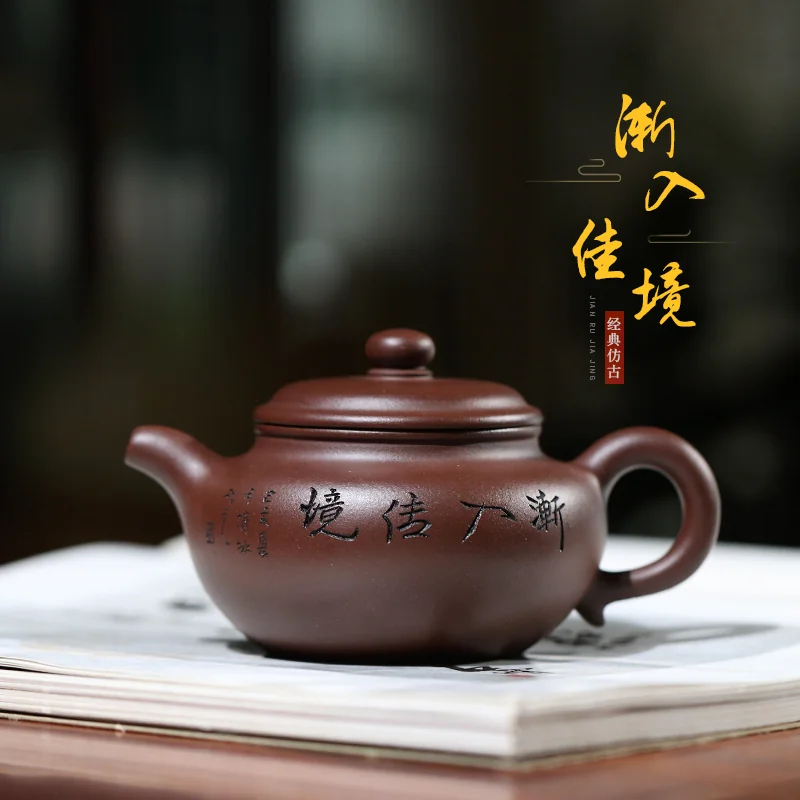
Your first Chinese tea vessel should suit the way you actually drink tea. Choose glazed ceramic if you frequently change teas or want a simple daily routine. Consider an unglazed Yixing teapot if you enjoy repeated small infusions and want to build a consistent brewing practice around one group of teas.
Neither choice automatically makes better tea. Leaf quality, water, quantity and steeping time still matter. A vessel that is comfortable to use is more useful than one bought solely for its reputation.
Understand the difference before comparing prices
The Metropolitan Museum of Art identifies historical Yixing teaware as stoneware. Its collection provides useful cultural context, but a museum example does not authenticate a modern product. Glazed ceramic describes a surface treatment; it is not a guarantee of origin, quality or suitability for every appliance.
| Your priority | A practical starting point |
|---|---|
| Switching between many teas | A plain glazed ceramic vessel that is easy to inspect and clean |
| Several short infusions at the tea table | A small teapot or gaiwan with a comfortable, controlled pour |
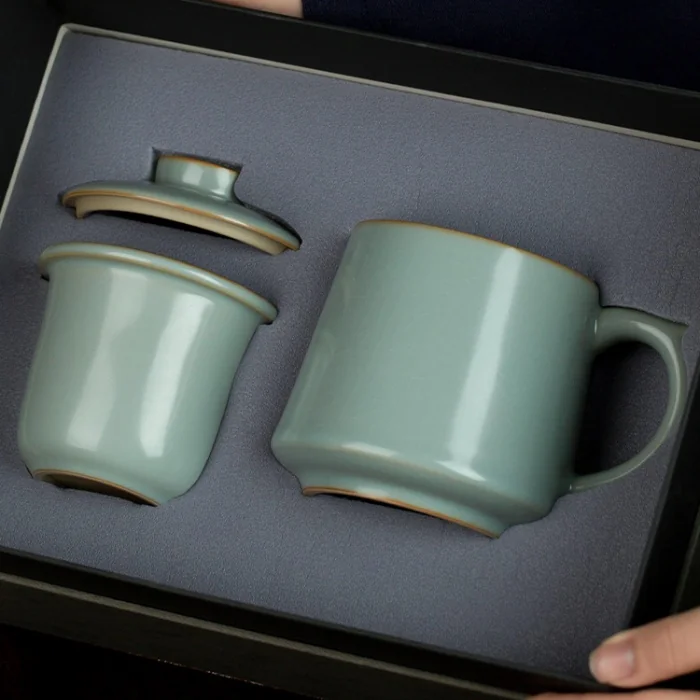
| One larger drink during work | A mug with a removable infuser |
| Exploring clay teaware | An unglazed pot with clear material information and care instructions |
Compare handling, not just appearance
Look at the opening, handle, lid and balance. Can you remove wet leaves easily? Is there enough room to grip the handle without touching the hot body? Ask for a short pouring video if you cannot handle the piece in person. A still photograph cannot show how quickly a vessel drains.
A gaiwan is another option for small infusions, but its lid-controlled pouring technique takes practice. TeaVivre’s brewing guide describes warming, adding leaves, infusing and pouring. Practise with cool water before using a hot vessel.
Match the vessel to a realistic routine
If you drink a different flavoured blend every morning, an easily cleaned glazed vessel is a convenient starting point. If you mainly brew one unflavoured tea family, a dedicated clay pot makes it easier to keep your routine consistent. Treat this as a practical organisation choice, rather than a promise that clay will improve every tea.
For a closer look at current examples, explore Sandao’s Yixing teapot collection and the Ru-style ceramic infuser mug. Compare listed dimensions and care guidance before choosing.
Do you need both?
No. Start with the vessel that solves your everyday brewing problem. Add another only when you can describe the missing function: a smaller serving size, easier leaf removal or a dedicated vessel for a favourite tea. That gives each purchase a useful purpose.
Related guides
- What Size Teapot Do You Need? A Guide to Usable Capacity
- How to Clean a Yixing Teapot After Everyday Use
Sources and further reading
- The Metropolitan Museum of Art — Teapot in the Shape of a Plum Blossom
- TeaVivre — How to Brew with a Gaiwan
Product photography supplied for Sandao. The illustrated pieces are contemporary examples; historical references do not authenticate them. Sources consulted 3 October 2026.