Dark Tea

Ancha Dark Tea: Four Common Questions Answered
Get to know Ancha from Qimen, China: its tea category, riverbank gardens, leaf-lined baskets and traditional reputation, with medical claims kept in context.
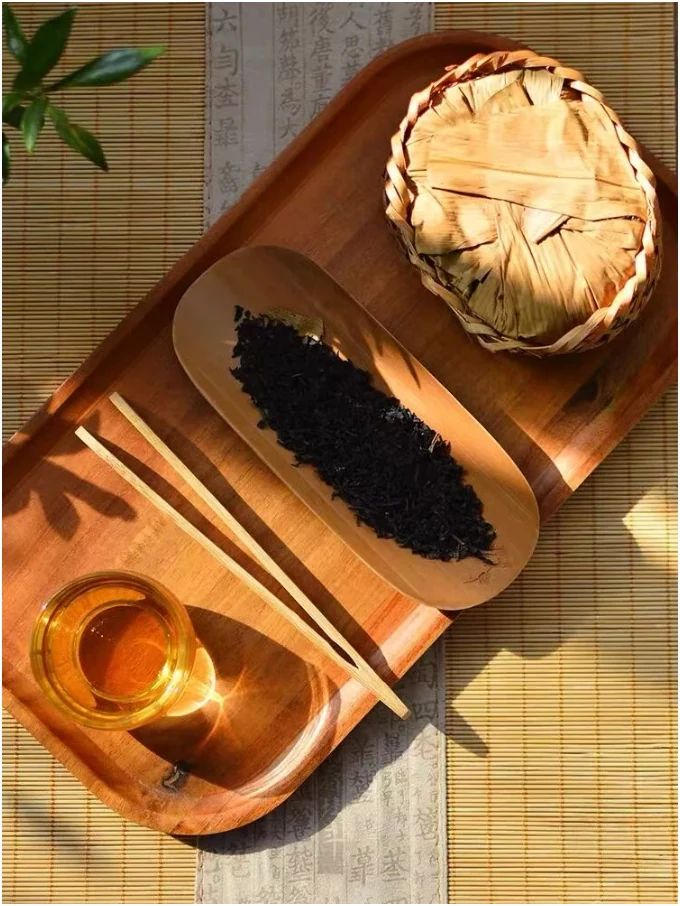
Sun Yi Shun Ancha: The Story of a Chinese Dark Tea Name
Explore Sun Yi Shun in Ancha tea history, from southern trade to revival, and learn why a historic name must be distinguished from a current…

Ancha Dark Tea: Traditional Uses and Flavor Pairings
Read Ancha health traditions critically and explore flavor pairings with chenpi or osmanthus, without turning historical remedies into treatment advice.
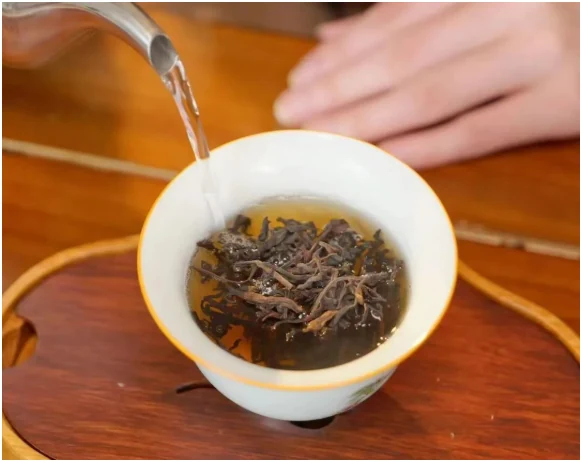
How to Brew Liubao Tea: New Leaves and Aged Tea
Brew new and aged Liubao tea with a gaiwan, clay pot or thermal flask. Start with practical leaf ratios and adjust for the tea, not…
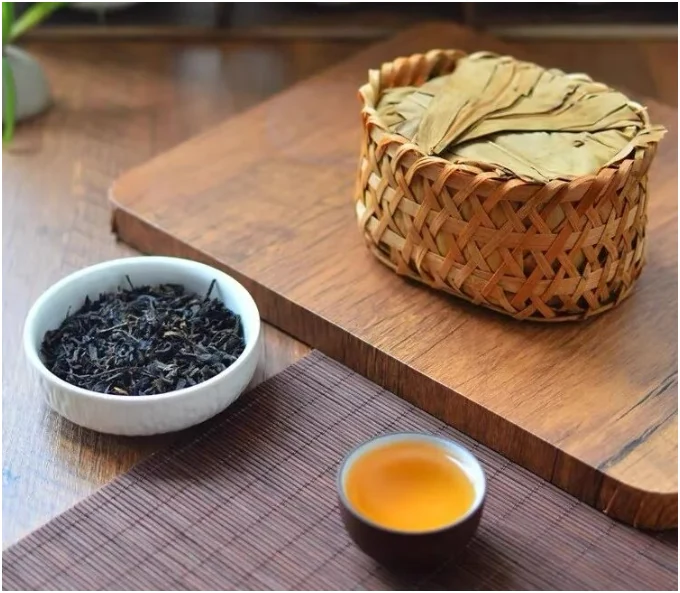
What Kind of Tea Is Ancha? A Chinese Dark Tea Explained
Understand why Ancha is commonly grouped with Chinese dark tea, despite historical green-tea and oolong comparisons and its unusual dew-resting step.

Wei Jiequn and Liubao Tea: Craft, Storage and Quality
Meet Liubao tea heritage practitioner Wei Jiequn and explore the craft, storage and teaching that help sustain a Chinese tea tradition.
Ancha Dark Tea: River Gardens, Night Dew and Leaf Baskets
Discover the riverbank material, autumn dew resting and leaf-lined bamboo baskets that give Ancha a distinctive place among Chinese dark teas.

Sheqian Liubao Tea: An Early-Spring Harvest Explained
Explore Sheqian Liubao tea, its spring festival harvest name, tender leaves and golden liquor, with practical tips for brewing this early Chinese tea.
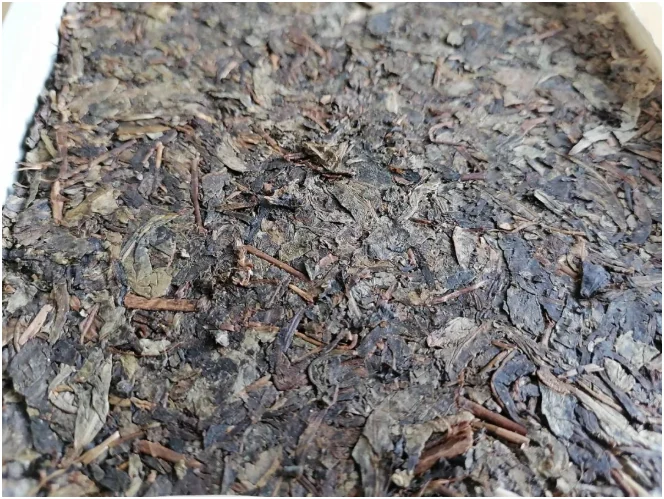
Fu Brick Tea: Why Stems and Hidden Golden Flowers Matter
Understand the role of stems in Fu brick tea and why golden flowers may be more visible inside a brick, with clear limits to visual…

Traditional vs Modern Liubao Tea: Processing and Flavor
Compare traditional and modern Liubao tea through piling, wet fermentation, steaming and their effects on liquor color, aroma and mouthfeel.