أدلة الشاي وأدواته
Lupicia Tea Review: 28 Blends and the Standout Flavors
White peach oolong was the clear favorite in this 28-tea tasting diary, with Ripe Mango Oolong and Cookie close behind. The dividing line was usually the aroma: fruit that felt fresh and convincing won over the writer, while strongly perfumed citrus and peach blends were harder to enjoy.
This Lupicia tea review brings those notes together in English, including the less enthusiastic verdicts. It covers flavored oolong, black and green teas, plus rooibos, roasted grain and fruit blends. If you already know whether you prefer fresh fruit, warm bakery aromas or a straightforward cup of tea, the comparisons are more useful than a single overall ranking.
Review basis: these are an adaptation of one writer’s Chinese-language personal tasting notes, not a new tasting conducted by Sandao or a laboratory assessment. Scores are the original writer’s enjoyment ratings out of five. Some samples were tea bags and others loose leaf; the source does not record a tasting date or a fully standardized brewing method. Product photographs illustrate the blends rather than documenting Sandao’s own brewed samples.
Names and formulations can differ by market and change over time. Recognizable English names have been checked against Lupicia’s official catalog. Where the original label cannot be tied confidently to a specific current product, a descriptive name is retained. Taste descriptions such as “candy-like” or “perfumed” are sensory impressions, not findings about whether a flavoring is natural or artificial.
The original taster’s quick picks
- Fresh-fruit favorite: Momo Oolong Super Grade, the white peach oolong that started the writer’s interest in the range.
- Tropical-fruit favorite: Ripe Mango Oolong, with pronounced mango aroma and enough tea character to keep it balanced.
- Dessert-style favorite: Cookie, the biscuit-and-almond black tea, enjoyed plain and highlighted as a milk-tea option.
- Surprise after chilling: Jasmine Green Tea, rated 3/5 hot and upgraded to 4/5 after a refrigerated cold brew.
- Most divisive aromas: Melon Oolong, Peach Rooibos and the bergamot-herb black tea were the writer’s least favorite group. That reflects this taster’s preferences, rather than a claim that these teas are poor quality.
Brewing notes before the reviews
The original article included two machine-translated brewing charts. The English tables below preserve their place before the tasting notes and correct mistranslated tea names using Lupicia’s Japanese brewing guide. Quantities are for a 150 mL cup, about 5 US fl oz, unless otherwise stated. They are reference starting points; follow the instructions on your particular packet first.
On small screens, scroll each table sideways to see all five columns.
Oolong and related Chinese tea reference
| Tea style | Leaf | Water | Steep | Infusions |
|---|---|---|---|---|
| Green, white and yellow teas from China or Taiwan: reference row | 5–6 g | 85–90°C / 185–194°F | 1–1½ min | 3–4 |
| Large-leaf oolong, such as Wenshan Pouchong | 5 g | Boiling | 45–60 sec | 2–3 |
| Rolled oolong, such as Tieguanyin or Dongding | 6 g | Boiling | 45–60 sec | 4–5 |
| Flavored oolong blends | 2½–3 g | Boiling | 1½–2 min | 1–2 |
Japanese green tea reference
| Tea style | Leaf | Water | Steep | Infusions |
|---|---|---|---|---|
| Flowering tea: use 400 mL / 13½ US fl oz water | 1 bundle | Boiling | 3–4 min | 3–4 |
| Sencha | 4–5 g | 75–80°C / 167–176°F | 1–1½ min | 1–2 |
| Kamairicha, pan-fired Japanese green tea | 4–5 g | 85–90°C / 185–194°F | 1–1½ min | 1–2 |
| Gyokuro | 8–10 g | 55–60°C / 131–140°F | 2–2½ min | 2–3 |
| Hojicha, bancha and genmaicha | 3–4 g | Boiling | 30–60 sec | 1–2 |
| Flavored green-tea or hojicha blends | 2½–3 g | Boiling, if specified for the product | 1½–2 min | 1–2 |
For these reference charts, “boiling” means freshly boiled water, around 100°C / 212°F at sea level. The manufacturer notes that a higher temperature emphasizes aroma, while a slightly lower temperature can bring sweetness and umami forward in Japanese and Chinese green teas. The infusion counts are estimates, not a promise that every later cup will taste equally strong.
Cold brew and milk tea
The source often suggests trying fruity blends cold, but sometimes records that only as an idea, not a completed second test. The tasting notes below keep that distinction.
For white peach oolong specifically, Lupicia’s published cold-brew method uses 10 g of tea per 1 liter of water, covered in the refrigerator for 8–10 hours, followed by removal of the leaves. It calls for clean water and a clean container and recommends drinking the tea within 24 hours. Use product-specific directions for other blends rather than applying that recipe to every fruit or herbal infusion.
For milk tea, brew the black tea, strain it and add warmed milk to taste. The original diary used a microwave, but its fixed heating times are not needed to reproduce the flavor comparisons. Cookie, white-chocolate black tea, Breakfast Earl Grey and the milk-tea black blend were the writer’s main candidates.
All 28 Lupicia teas in the original tasting order
The following sections preserve the diary’s numbering and keep each product photograph with its own tasting note. “Sweet” generally describes the writer’s impression of aroma or flavor; it does not establish a product’s sugar content or ingredients.
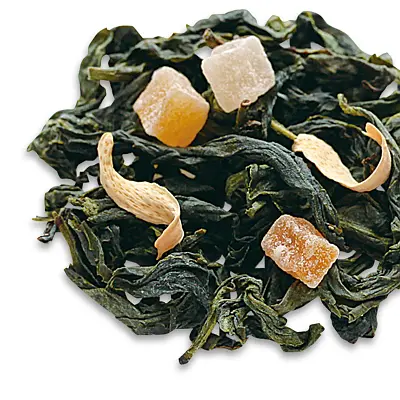
1. Ripe Mango Oolong
Original enjoyment rating: 5/5. الأسلوب: Flavored oolong.
A generous dried-mango aroma greets the nose before brewing. In the cup, the oolong becomes much more noticeable; the writer even found the combined aroma slightly reminiscent of matcha. Despite the rich scent, the drink itself felt light and mellow rather than cloying. The source describes dark green leaves, a few fruit pieces and a yellow-green infusion. This was one of the three teas the writer would most readily recommend.
Serving note: Enjoyed as a fruit-forward cup; the source also suggests trying it chilled.

2. Melon Oolong
Original enjoyment rating: 2/5. الأسلوب: Flavored oolong.
The dry leaves had a remarkably recognizable melon aroma, but the hot infusion was much less appealing to this taster. Heat seemed to amplify the perfume until it felt sharp and overpowering. The rolled leaves produced an orange-yellow cup. A cold version might have suited the writer better, but that remained a suggestion rather than a recorded retest.
Serving note: A divisive hot cup in this diary; iced preparation was not tested in the note.
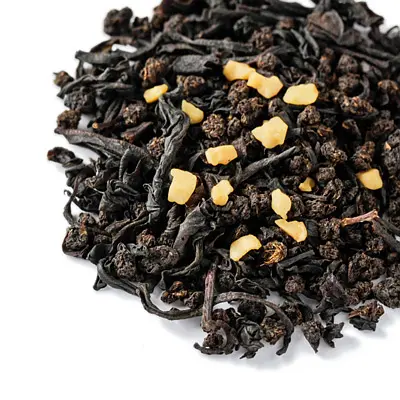
3. Cookie — Biscuit and Almond Black Tea
Original enjoyment rating: 5/5. الأسلوب: Flavored black tea.
Warm cookies, a little milkiness and a persistent baked aroma made this a favorite. The writer found the scent strong without becoming overly sweet, and the cup had more body than the lighter fruity teas. Small rolled or broken leaves and pale almond pieces appear in the product image. The diary reports that the aroma remained noticeable over several pours, although later infusions will depend on the particular batch and brewing method.
Serving note: One of the writer’s leading choices for milk tea or a cup alongside an afternoon snack.
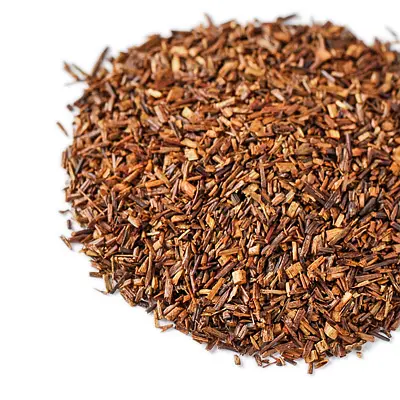
4. Peach Rooibos
Original enjoyment rating: 1/5. الأسلوب: Flavored rooibos.
This was the writer’s first, and least successful, rooibos experience in the diary. The peach scent felt sharply perfumed rather than fresh, and the unfamiliar rooibos character made the combination harder to enjoy. The tea-bag sample produced a red-brown drink with a sweet finish. That reaction should not be generalized to all rooibos: Jardin Sauvage, tried later, received a much warmer response.
Serving note: A poor match for this taster’s preference for convincing fresh-fruit aromas.
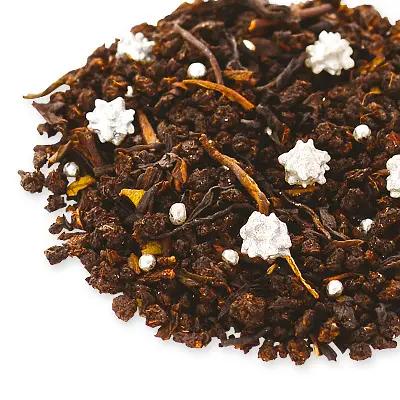
5. White-Chocolate Black Tea
Original enjoyment rating: 5/5. الأسلوب: Dessert-style black tea.
The aroma recalled Cookie: warm baked cake, a gentle milky note and something almond-like. It felt comforting rather than heavily sugary to the writer, who especially liked the idea of drinking it with milk on a cold evening. The photographed silver-colored decorations are part of the product illustration; their appearance alone does not identify them as pieces of chocolate. This tea earned the same enjoyment score as the top three.
Serving note: A milk-tea candidate. The diary records a 2–2½ minute steep for this sample.

6. Rose and Fruit Blend
Original enjoyment rating: 2/5. الأسلوب: Source label translated as rose-and-hawthorn tea; exact identity unconfirmed.
A dense fruit aroma and a distinctly tart red infusion stood out much more than any floral rose note. The writer likened the acidity to hawthorn steeped in water and found little sweetness. The first infusion carried most of the flavor; a second cup was noticeably weaker. That hawthorn comparison describes taste, rather than establishing the ingredient list.
Serving note: Best treated as a tart cup rather than a sweet rose tea.
The source does not provide a product code. Do not assume this is caffeine-free: Lupicia’s current Rose Hip Tea listing includes black tea, so the exact packet matters. See the current manufacturer listing.
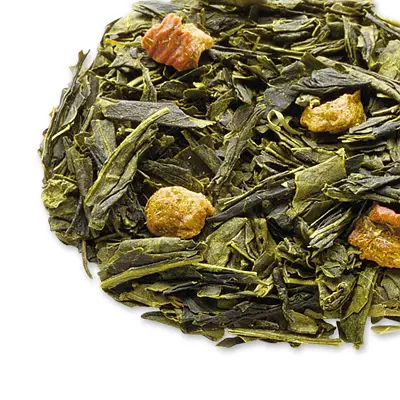
7. Tsugaru Apple Green Tea
Original enjoyment rating: 2/5. الأسلوب: Flavored Japanese green tea.
The apple aroma reminded the writer of apple-flavored soda. After brewing, that candy-like scent still dominated, leaving the green-tea character relatively subdued. The tea-bag sample had a yellow-green liquor, some bitterness and little of the returning sweetness the writer was looking for. A second infusion felt thin. It was less rich than the dessert-style black teas, but not a flavor the writer particularly wanted to revisit.
Serving note: A lighter alternative to the bakery blends, though the apple aroma divided opinion here.

8. Momo Oolong Super Grade — White Peach Oolong
Original enjoyment rating: 5/5. الأسلوب: Flavored Taiwan oolong.
This was the diary’s standout. The dry tea smelled convincingly of ripe white peach; hot water brought the oolong forward without losing the fruit. Pink rose petals accompanied the green leaves, and the brewed cup was yellow-green. The writer especially liked the balance of fragrant sweetness, refreshing tea character and a lingering sweet finish. It felt more complete than the other peach blends in this selection.
Serving note: The first choice in the writer’s final shortlist. Lupicia identifies the base as Taiwan oolong.
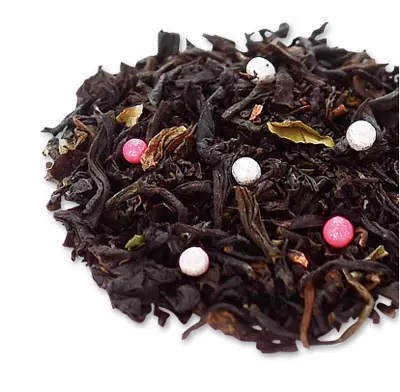
9. Champagne Rose Black Tea
Original enjoyment rating: 3/5. الأسلوب: Flavored black tea.
Before brewing, the scent suggested sparkling white wine to the writer. In the cup, strawberry-candy notes became more noticeable. Pink and silver-colored decorative pearls made the dry blend visually appealing, but the combination of wine-like aroma and tea was less convincing on the palate. The verdict was pleasant enough, with a stronger impression from the fragrance than from the finish.
Serving note: More of a playful aromatic cup than a leading favorite in this diary.
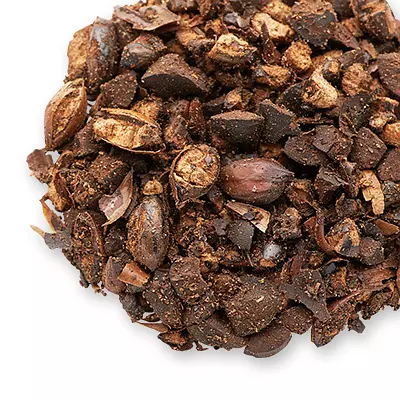
10. Roasted Black Soybean and Barley Tea
Original enjoyment rating: 3/5. الأسلوب: Roasted grain-and-bean infusion.
A familiar roasted-grain aroma made this an easy break from the fruit flavors. The tea-bag sample smelled particularly toasty after brewing, with a faint bitterness in the drink. The writer could not inspect the bag’s contents directly and referred to the supplier’s product picture instead. The appeal was the simple roasted character rather than a floral or fruity top note.
Serving note: For someone who prefers toasted grains to perfume-like fruit aromas; check the current blend label.

11. Matcha Sencha
Original enjoyment rating: 3/5. الأسلوب: Japanese green tea with matcha.
A green-tea aroma with some roasted character developed into a fuller sencha-and-matcha impression after brewing. The sample was a tea bag with fine dark green leaves, producing a green cup. The writer found it refreshing and uncomplicated, and thought it would sit comfortably beside a snack. It was a useful change of pace after the more assertive flavored teas, rather than a dramatic standout.
Serving note: A straightforward green-tea option. This is not the same preparation as whisking pure matcha.
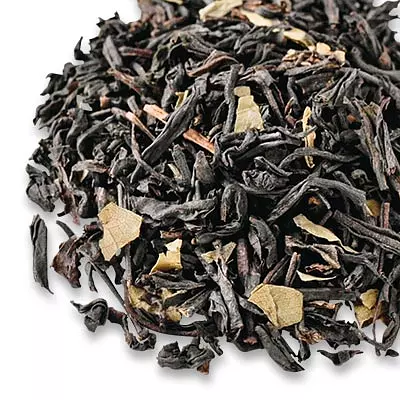
12. White Peach Black Tea
Original enjoyment rating: 4/5. الأسلوب: Flavored black tea.
Compared with the white peach oolong, the dry-leaf scent felt more candy-like to the writer. Brewing softened the peach and brought the black-tea base to the front. The cup was red-brown, with a rounded body and a lingering sweet finish. Its peach character was less vivid than the oolong version, but the overall drink was still enjoyable.
Serving note: A good alternative within the diary for someone wanting peach over a fuller black-tea base.

13. Breakfast Earl Grey
Original enjoyment rating: 4/5. الأسلوب: Flavored black tea.
The small, evenly broken leaves released color very quickly. The first cup had substantial strength and some bitterness, with the sort of familiar black-tea aroma the writer associated with milk tea. It was more forceful than the next blend in the tasting order. The source often shortens its name to Earl Grey; the accompanying supplied photograph is labeled Breakfast Earl Grey.
Serving note: A strong milk-tea candidate. Watch the steep rather than chasing a darker color.

14. Black Tea for Milk Tea
Original enjoyment rating: 4/5. الأسلوب: Black tea blend.
Another finely broken black tea, but softer in aroma than Breakfast Earl Grey. The writer found it smooth and gently sweet even before adding milk, with a rounded texture that suggested a natural fit for a milk-tea preparation. The source’s name describes how the tea was intended to be served; it does not establish that the dry blend contains milk.
Serving note: One of the diary’s practical choices for a generous splash of milk.

15. Darjeeling The Second Flush
Original enjoyment rating: 3/5. الأسلوب: Unflavored Indian black tea.
A more conventional tea in a selection dominated by added aromas. The diary describes familiar black-tea fragrance with a gentle fruity note, a golden-brown cup and a sweet, mellow entry. The writer tried a tea-bag sample and preferred not to use too little water, since an overly concentrated cup became bitter. This is a record of that sample, not a verdict on every Darjeeling second-flush harvest.
Serving note: For a break from strongly flavored blends; adjust strength to the actual packet.
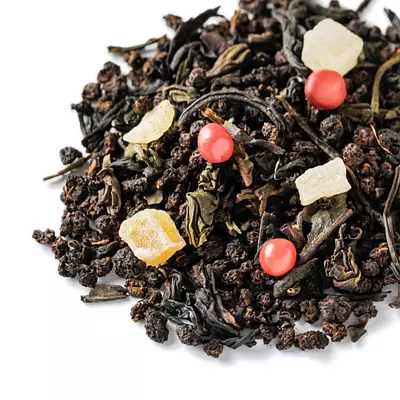
16. Daruma Fruity Black Tea
Original enjoyment rating: 4/5. الأسلوب: Flavored black tea.
Sweet mango-like fruit aroma stayed fairly consistent from dry leaf to brewed cup. The writer liked its easy, tropical character and golden-brown infusion. Pale dried fruit and pink peppercorns made the blend especially attractive in the product photograph. It felt sweeter and fuller than the mixed-fruit oolong that followed, without becoming cloying to this taster.
Serving note: A source favorite for fruity black tea and an appealing gift candidate; iced tea was also suggested.

17. Mixed-Fruit Oolong
Original enjoyment rating: 4/5. الأسلوب: Flavored oolong.
The fruit aroma reminded the writer of Daruma, but the brewed tea felt cleaner and lighter. Rolled leaves and dried flowers appeared in the dry blend, with a green-toned cup after brewing. The original note described a Taiwan oolong base with French-fruit-inspired flavoring, but did not give a reliable English product name or code. The descriptive label is therefore kept here.
Serving note: A successful lighter-fruit option in the diary, especially alongside the fuller Daruma.

18. Strawberry Black Tea
Original enjoyment rating: 3/5. الأسلوب: Flavored black tea.
Strawberry candy, even a little bubblegum, was the main aroma comparison. It was sweet-smelling without being overwhelmingly heavy, although the drink itself felt fairly light in body. The writer found one or two infusions more useful than repeated steeping. Strawberry milk tea sounded promising, but the source describes that as an idea rather than a completed test.
Serving note: An aromatic strawberry cup; milk and iced versions were proposed, not evaluated in the note.
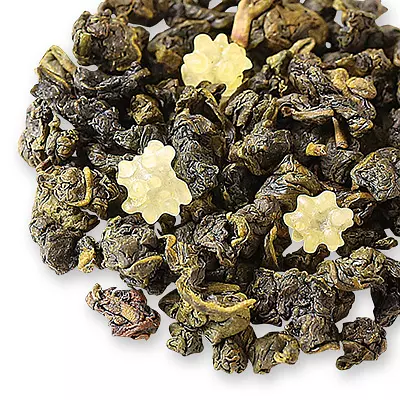
19. Amanatsu Citrus Oolong
Original enjoyment rating: 3/5. الأسلوب: Flavored Taiwan oolong.
Fresh citrus was most noticeable in the dry tea. After brewing, it softened and allowed more oolong fragrance through. The writer found the citrus convincing rather than cloying, but the overall cup was fairly delicate. Dark rolled leaves produced a yellow-green infusion. This is oolong, even though the source sometimes places these lightly colored blends under a green-tea label.
Serving note: A lighter citrus choice in this tasting; the source also suggests serving it cold.
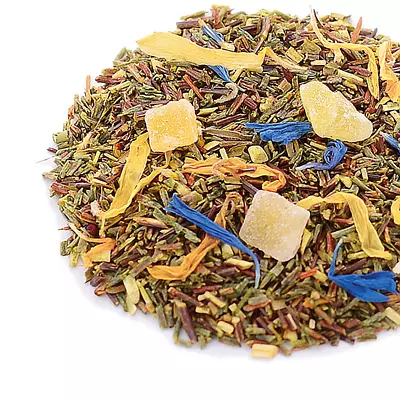
20. Jardin Sauvage — Wild Garden
Original enjoyment rating: 4/5. الأسلوب: Flavored green rooibos.
A welcome improvement after the earlier peach rooibos. Mango was clearer in the aroma than citrus, while the cup began with a tart citrus impression and finished sweeter. The writer liked the colorful petals and the fact that the rooibos character felt less intrusive. The infusion was orange-yellow and not completely clear. The overall verdict was distinctive and enjoyable.
Serving note: The preferred rooibos in this diary. Lupicia identifies Jardin Sauvage as a green-rooibos blend.

21. Jasmine Green Tea
Original enjoyment rating: 3/5 hot; 4/5 cold. الأسلوب: Scented green tea.
Hot, this was a mild, fairly ordinary jasmine tea: a green-tea base, gentle floral aroma and a yellow-green cup, with no major fault but little that stood out. The later refrigerated cold brew changed the writer’s view. It tasted notably sweeter and cleaner without sugar added by the taster, and the cold version was upgraded to 4/5. That is one of the few explicit cold-brew retests in the source.
Serving note: The clearest example here of brewing method changing the writer’s opinion.

22. Lemon Black Tea
Original enjoyment rating: 2/5. الأسلوب: Flavored black tea.
The scent recalled bottled lemon iced tea to the writer, with a sharper citrus impression in the dry leaf that eased after brewing. As a hot cup it lacked the rounded black-tea character the writer wanted. The suggestion of chilling and sweetening it came after that tasting; no second result was recorded. Its precise current seasonal product identity is not established by the source.
Serving note: The hot version disappointed this taster; an iced version was only a proposed follow-up.
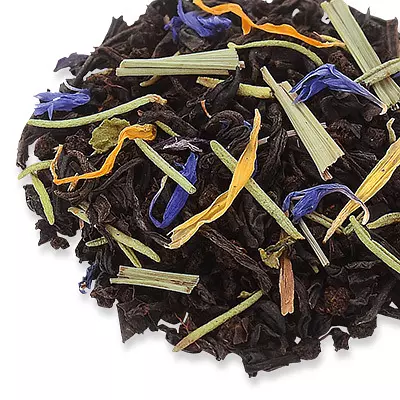
23. Bergamot and Herb Black Tea
Original enjoyment rating: 1/5. الأسلوب: Flavored black tea.
The most assertive citrus-herbal aroma in the selection, and one the writer struggled with. It felt like a much stronger version of the lemon black tea, with a long, persistent finish. The scent became less startling as the cup went on, but it never turned into a favorite. The source describes dark tea leaves, herb stems and a golden-brown infusion.
Serving note: Likely a poor fit for this taster’s preferences; those who enjoy bold herbal citrus may react differently.

24. Apple Black Tea
Original enjoyment rating: 2/5. الأسلوب: Flavored black tea.
The same soda-like apple impression found in Tsugaru Green appeared again, but the black-tea base made it feel fuller and less sharp. The writer noticed a longer sweet finish and found it easier to drink than the green version. Even so, candy-like apple was not a favorite flavor, so the overall score remained low.
Serving note: The more acceptable of the two apple teas for this writer, rather than an enthusiastic recommendation.
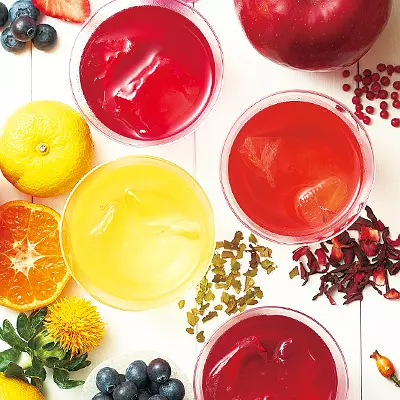
25. Jus’t’aime Brillant — Yuzu and Citrus Fruit Tea
Original enjoyment rating: 2/5. الأسلوب: Fruit-and-herb blend.
Citrus peel and a woody-herbal aroma were the main impressions. The writer found the different citrus notes harmonious and layered, with a bright yellow drink, but the overall flavor was fairly light. Only one infusion seemed worthwhile. The supplied picture is an illustration of several colorful fruit-tea drinks, rather than a photograph documenting this particular brewed sample.
Serving note: The source suggests an iced preparation, but does not record a separate cold tasting. Its historical ingredient sourcing is not treated here as a current specification.

26. Yume — Rose Black Tea
Original enjoyment rating: 3/5. الأسلوب: Flavored black tea.
Dried-rose fragrance stood out more than the tea base. The cup felt light and refreshing, with a little sweet-tart fruit character, rather than the richness of the bakery-style blends. The source describes long black-tea leaves, pink petals and a clear yellow infusion. The Japanese name Yume means dream; the writer felt that name suited the gentle floral mood of the tea.
Serving note: A softer floral option in the diary, not one of the strongest black-tea flavors.

27. Sakura Black Tea
Original enjoyment rating: 3/5. الأسلوب: Black tea with cherry-leaf character.
The aroma was mostly familiar black tea rather than an obvious cherry-blossom perfume. On the palate, the writer noticed a slight saltiness alongside gentle sweetness, followed by a rounded, lingering finish. The leaf fragments in the sample were consistent with the cherry-leaf character described in Lupicia’s Sakura listing. It offered a different sort of flavor contrast from the overtly fruity blends.
Serving note: For a mildly savory-sweet cup rather than a strong fruit aroma.

28. Lemon Green Tea
Original enjoyment rating: 2/5. الأسلوب: Flavored green tea.
A strong lemon aroma in the dry blend softened into lemon and toasted-green-tea notes after hot brewing. The writer found the cup substantial, slightly bitter and smooth in the finish, with a cloudy yellow-green appearance. The note mentions green tea, lemongrass and peel, but supplies no verified product code. A colder preparation was considered promising, not actually retested.
Serving note: A proposed summer-style iced option; the recorded score belongs to the hot preparation.
Which flavors would this taster choose again?
For fruit-scented oolong, the diary’s order was white peach, ripe mango, mixed fruit, Amanatsu citrus, then melon. White peach felt the most convincing as a complete cup. Mango was nearly as successful, while melon’s dry-leaf aroma was more appealing to the writer than its hot infusion.
For warm dessert aromas, Cookie and the white-chocolate black tea stood above the rest. Both suggested baked treats without requiring a very sweet-tasting cup. For a more traditional milk-tea direction, Breakfast Earl Grey and the milk-tea black blend were the practical alternatives.
The black-tea ranking in the source placed Cookie first, followed by white chocolate, white peach, Earl Grey, Daruma, the milk-tea blend, Champagne Rose, Strawberry, Darjeeling, Sakura, Yume, Lemon, Apple and the bergamot-herb blend. These are preference comparisons within one diary, rather than a controlled ranking of equivalent teas.
Among the greener and grain-based cups, Jasmine Green Tea benefited most from a change of method. Matcha Sencha offered a straightforward green-tea break, while roasted black soybean and barley was the option for a grainy, toasted flavor. Jardin Sauvage was the writer’s preferred rooibos blend.
A short list by intended use
- Fruit-forward cups: white peach oolong, Ripe Mango Oolong and mixed-fruit oolong.
- Milk-tea experiments: Cookie, white-chocolate black tea, Breakfast Earl Grey or the milk-tea black blend. Strawberry with milk was a suggestion in the source, not a documented tasting result.
- Cold-brew follow-up: Jasmine Green Tea was actually revisited cold. Other possible iced candidates named in the diary included the fruity oolongs, Daruma, white peach black tea and the lemon blends.
- A visually appealing gift: the writer favored white peach oolong, the white-chocolate blend, mixed-fruit oolong, Daruma and Champagne Rose. Check the recipient’s flavor preferences and the current ingredient label before choosing.
Choosing a Chinese tea pot for flavored tea
You do not need elaborate equipment to compare these blends. A glazed porcelain pot, glass infuser or glazed gaiwan makes it easy to use the same vessel and timing for each sample. Our simple gongfu tea session guide explains how to keep a tasting manageable.
If you already use a الصينية Yixing إبريق الشاي for an unflavored oolong, a separate glazed vessel is a practical choice for strongly scented blends. It lets you compare peach, citrus and cookie aromas without changing the routine of your regular pot. The Yixing teapot and porcelain comparison covers the vessel choices in more detail.
China’s tea traditions provide useful context for understanding oolong and jasmine tea, but a Japanese brand name does not establish where every leaf was grown. Lupicia identifies its white peach and ripe mango oolongs as Taiwan-based blends. The product’s actual growing origin, blend and processing description matter more than assumptions based on the brand’s home market. For more background, read about Fujian and Taiwan tea traditions and exchange.
أسئلة يطرحها القراء غالباً
Which tea received the strongest recommendation?
White peach oolong was the writer’s leading recommendation. Ripe Mango Oolong and Cookie completed the top three. White-chocolate black tea also received 5/5, even though it was outside that final three-tea shortlist.
Are these flavored oolongs green tea?
No. The source sometimes uses “flavored green tea” for an oolong blend, but the base remains oolong. The light color of a brewed tea does not by itself determine its category.
Are all the fruit and herbal blends caffeine-free?
No. A flavored black, green or oolong tea still has a tea-leaf base. Rooibos itself is naturally caffeine-free, but the exact blend should be checked on its label. In particular, a fruit-sounding name is not enough to establish that a product contains no black tea.
Does “milk tea” mean the dry blend already contains milk?
Not necessarily. It can mean a black tea intended to be brewed and served with milk. This diary’s descriptive names are not substitutes for the current ingredient or allergen information on a packet.
Source and editorial notes
Adapted from the Chinese article “[Lupicia] An Informal Review of 28 Teas,” supplied for English publication. The author is not identified in the supplied document. Its original title explicitly describes the tasting as informal. The ratings and flavor preferences above belong to that writer; no new Sandao tasting, laboratory analysis or ingredient testing is claimed.
Product photographs were supplied with the text and are credited as source product images. Each appears once beside the relevant tea. Two brewing screenshots have been translated into accessible English tables, with incorrect machine translations corrected against the manufacturer’s guide. A duplicated fruit-tea image and unavailable decorative image references are not repeated.
Official references used for names, categories and brewing details include Lupicia Hawaii’s catalog, Lupicia’s brewing guide, the white peach oolong brewing feature, Daruma و Jardin Sauvage. Availability, ingredients and seasonal dates in the old diary should not be treated as current product specifications. Brand and product names identify the teas discussed and do not imply a partnership with Sandao.