أدلة الشاي وأدواته
Natural vs Heated White Tea Withering: What Matters?
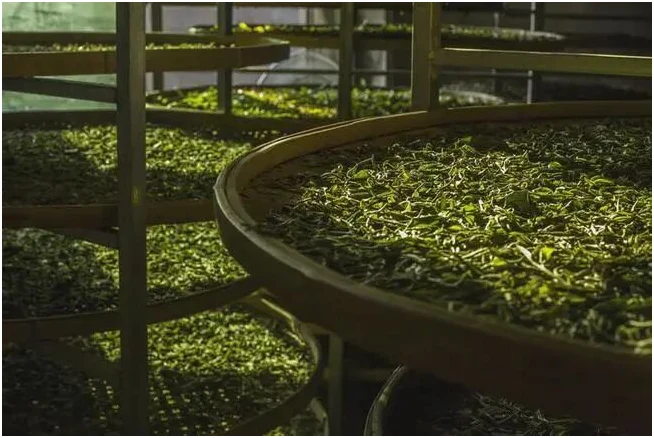
Withering is an active stage in white tea making, not just waiting for leaves to lose water. Fresh leaves soften and their chemistry changes while the maker manages air, temperature, humidity and time. Natural and heated methods are different ways to manage that process.
What the terms describe
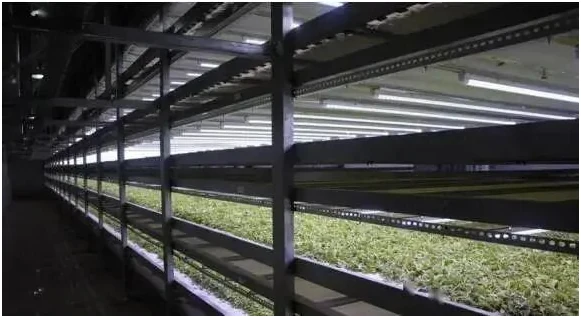
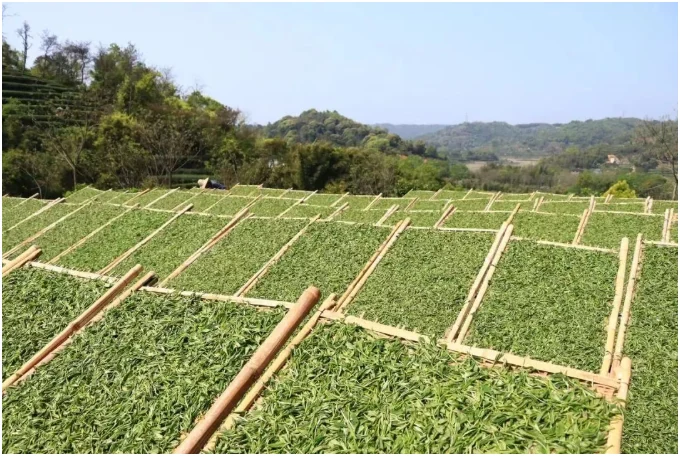
Indoor natural withering relies largely on ambient conditions and ventilation. Sun-assisted withering introduces outdoor light and warmth when weather allows. Combined withering moves between settings. Heated withering adds controlled warmth to assist water loss, especially when damp weather would otherwise interrupt production. A modern room may use dehumidification and airflow as well as heat.

A sample result is not a permanent ranking
One published comparison favored a combined method over a particular heated treatment. It illustrates the risk of moving water too quickly, but does not establish that all heated tea is inferior. Other controlled research has shown that changing temperature and duration can shift Gongmei toward sweeter, more mellow characteristics, while excessive treatment changes the character further. Settings and starting leaf matter.
Judge completion rather than a slogan
A clean, coherent aroma and balanced liquor are more informative than a natural-versus-machine slogan. Ask how the maker handles rainy days and uneven moisture in stems and leaves. Persistent raw off-notes or dull, heavy flavors deserve attention, but brewing errors can also create an unflattering cup. Compare under consistent conditions before blaming one processing label.