أدلة الشاي وأدواته
How White Tea Cake Pressing Changes Flavor
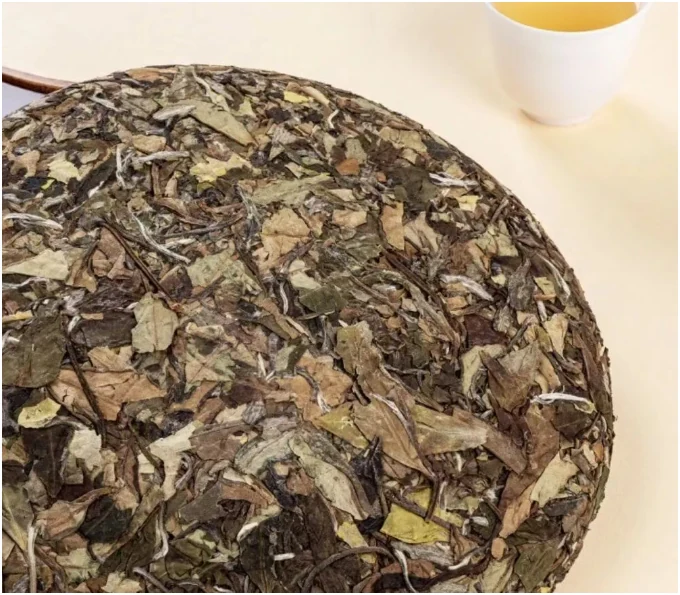
A white tea cake is more than loose leaves in a smaller package. Moisture, heat and pressure can change how the leaf looks, smells and brews. That makes the pressing method worth asking about, particularly when two cakes use similar raw material.
What the comparison actually tested
A 2025 Food Chemistry: X study compared loose white tea with three compression treatments: pressing without preliminary steaming, light pressure after steaming, and heavier pressure after steaming. It used a defined Bai Mudan material, so the findings describe those samples and conditions, rather than every white tea on sale.

Freshness and thickness can move in different directions
The directly pressed treatment retained an appealing floral and fruity character, with freshness and sweetness. Steaming and greater pressure produced a different balance, including a thicker impression in the heavier treatment. Changes in amino acids, sugars, catechins and volatile compounds helped explain the sensory differences. A stronger aged-style aroma does not automatically mean an older harvest.
Compare the cup before judging the shape
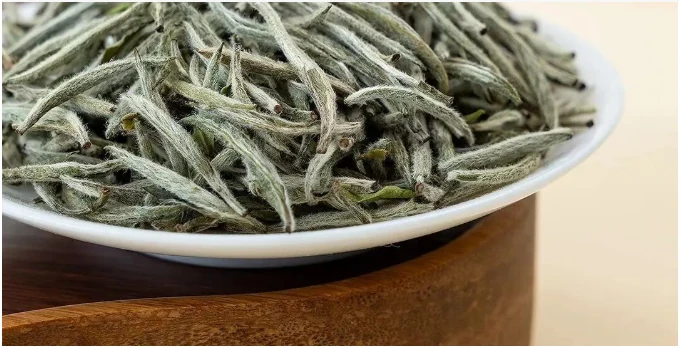
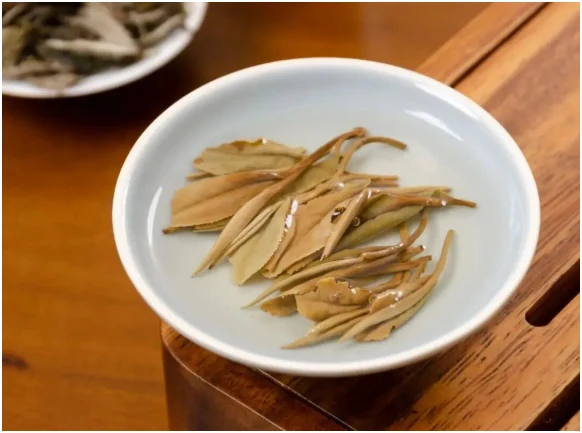
Use equal dry weights, the same water and matching infusion times. Break cakes into manageable pieces without grinding them into dust, and allow for a slower opening infusion. Look for clean aroma, a comfortable texture and a finish you enjoy. Loose Silver Needle may appeal for its intact buds; a well-made leafy cake may be easier to portion and store. Neither shape is a universal quality guarantee.