أدلة الشاي وأدواته
Xinhui Chenpi vs Ordinary Dried Tangerine Peel
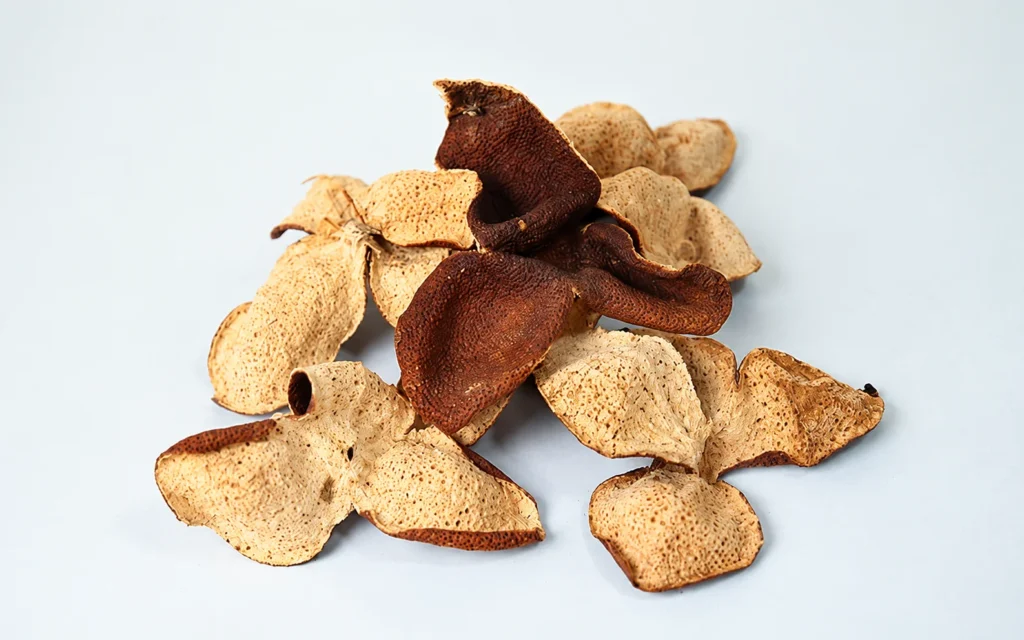
Xinhui chenpi is a specific origin product within the wider world of Chinese dried tangerine peel. Ordinary chenpi is not automatically a fake, and Xinhui is not a synonym for every citrus peel made in Guangdong.
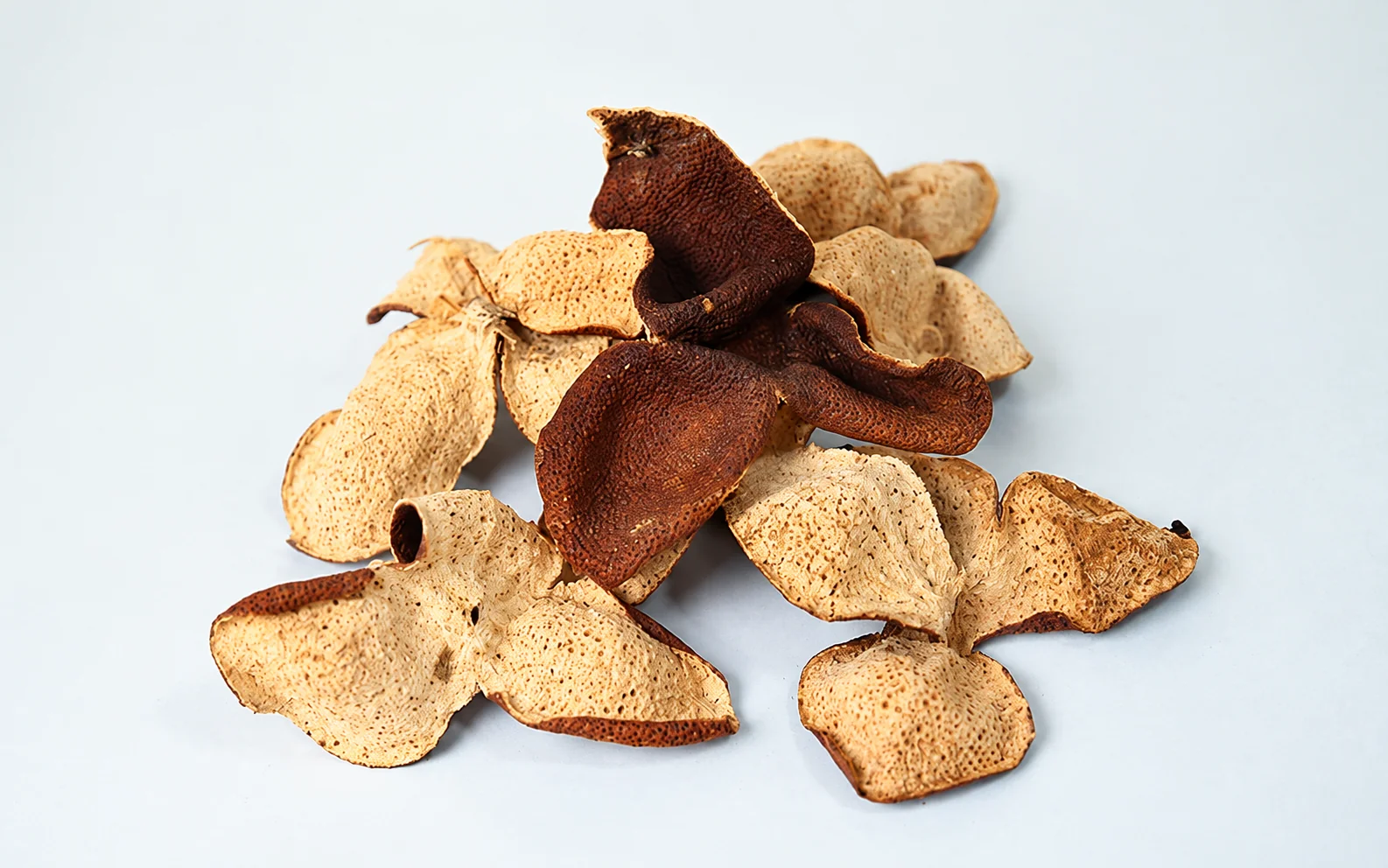
Origin and raw material
Under DB4407/T 70—2021, Xinhui chenpi uses Chachi citrus grown within the protected area, with drying and at least three years of aging there. That combination matters; an old peel from elsewhere does not become Xinhui peel simply by being stored longer.
Other Chinese regions produce legitimate dried citrus-peel ingredients with their own cultivars and characteristics. Evaluate the product against its actual description, rather than assuming that a broader origin makes it inedible or fraudulent.
Processing is more nuanced than “sun versus steam”
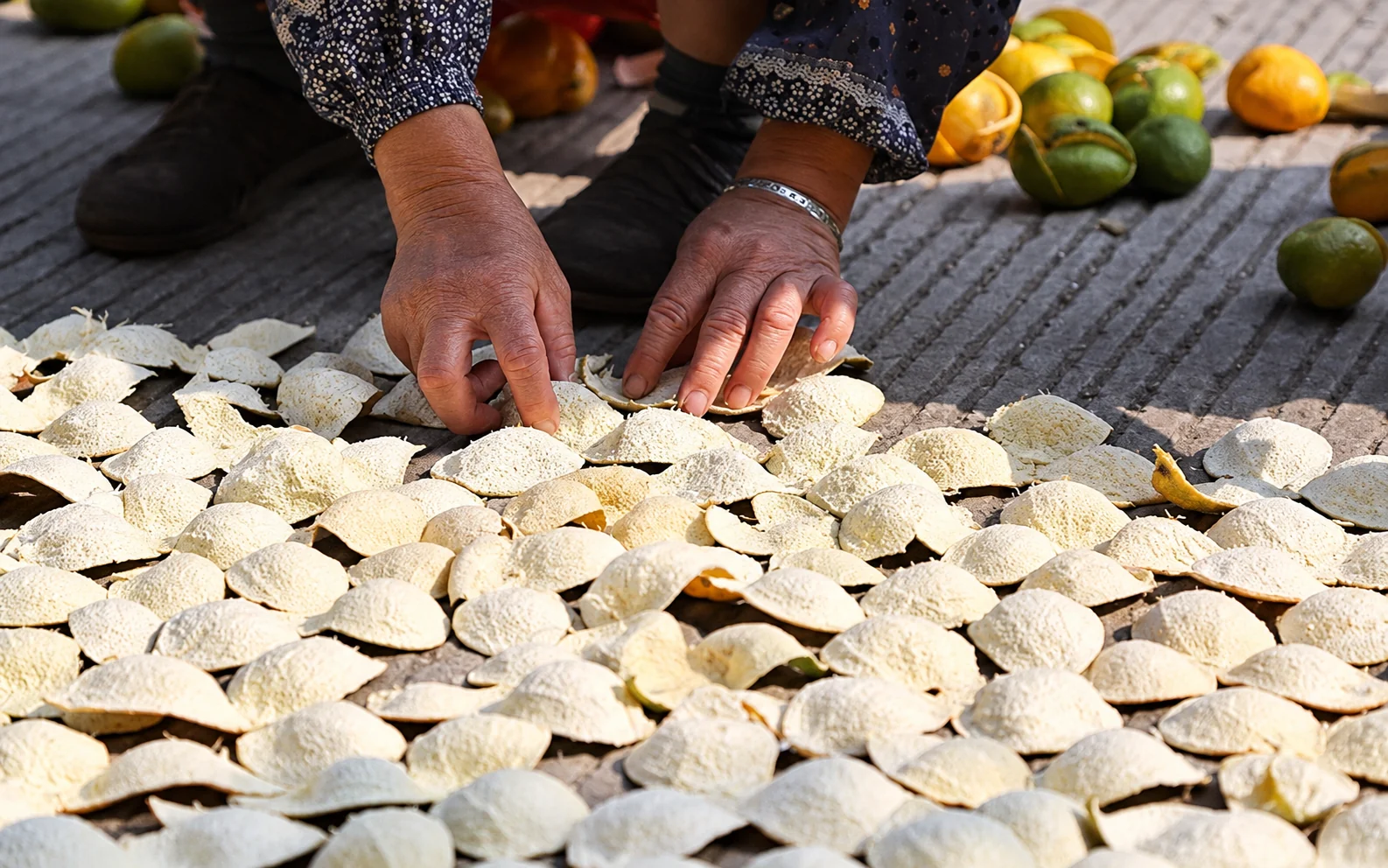
Do not assume all ordinary peel must be steamed three times, or that no modern drying method can ever be used for Xinhui chenpi. Ask about the actual process and the applicable product specification. A repeated social-media formula is not a universal manufacturing rule.
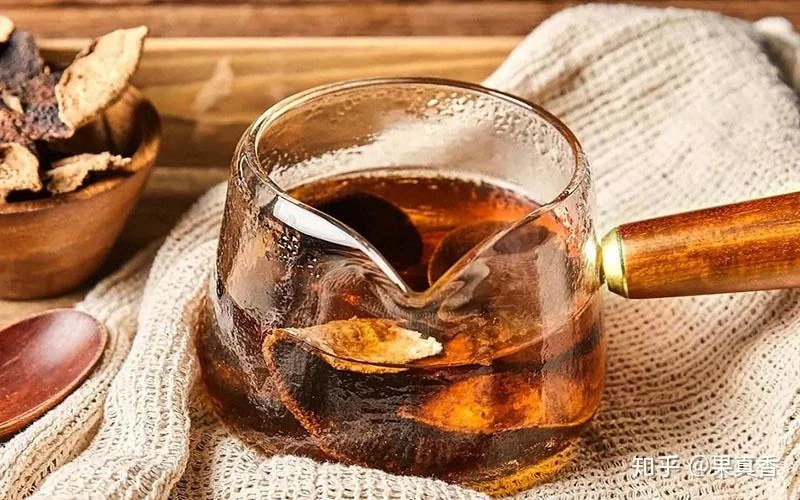
What you may notice in the cup
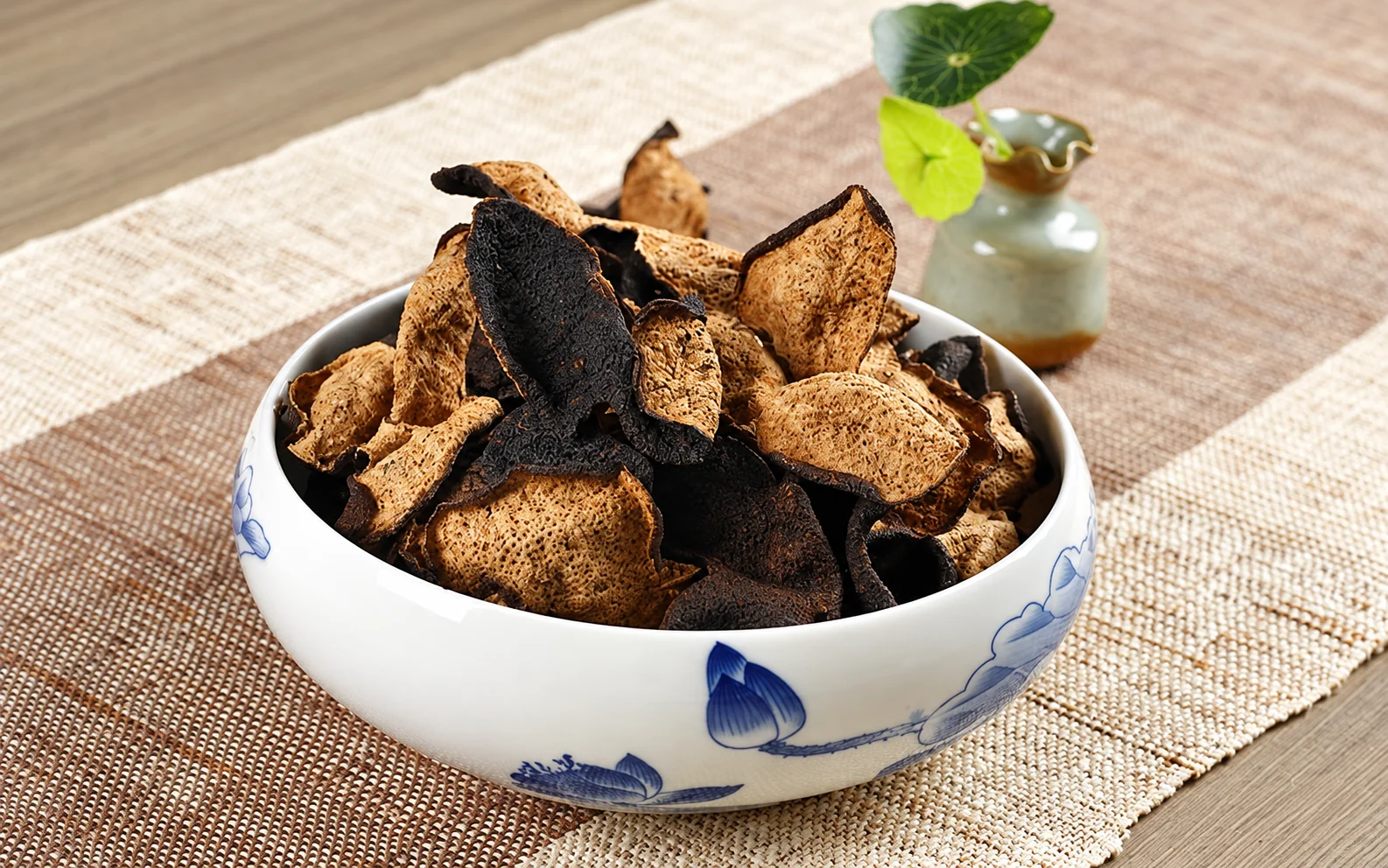
Peels differ in citrus intensity, bitterness, texture and the way they develop in water. But origin is not the only variable: harvest maturity, thickness, storage and brew strength also matter. A side-by-side photograph cannot isolate them.
For a useful comparison, choose two sound, clearly described samples, weigh equal amounts and brew with the same water and time. Describe what you taste rather than declaring a geographical origin from color alone.
Traceability beats a dramatic sales story
Check the producer, origin and batch details behind the name. Xinhui’s official production and sales notice addresses the use of the protected name and traceability. “Core area,” “old tree” and a very high age still need an explanation for the particular goods.
Does a different composition prove a stronger health effect?
No simple ingredient count can establish that one household infusion treats disease better. Claims such as “only ten oils versus twenty-four” need a named analytical method and actual samples; even then, chemical differences are not automatically clinical outcomes. Buy for a verifiable product and flavor, not a cure claim.
Which should you choose?
For an introduction to a particular Chinese regional specialty, a traceable Xinhui batch is a sensible choice. For cooking, another suitable food-grade dried peel may fit the recipe and budget. For medicinal use, seek professional guidance rather than substituting products by name alone.