أدلة الشاي وأدواته
Zhenghe White Tea: History Behind a Fujian Tea County

Zhenghe’s name carries a memorable connection with tea history. The county, in northern Fujian, was formerly called Guanli and was renamed Zhenghe in 1115. Historical geographical records support that date; local accounts connect the name with tea presented to Emperor Huizong of the Song dynasty.
A tribute story needs historical context
An old reference to white tea or silver needle does not necessarily identify the same processing category sold under those names today. Plant appearance and historical naming can differ from modern classification. It is more accurate to recognize a long local tea tradition than to claim that a present-day retail style was made unchanged in the Song court.

Cultivars and makers shaped the modern identity
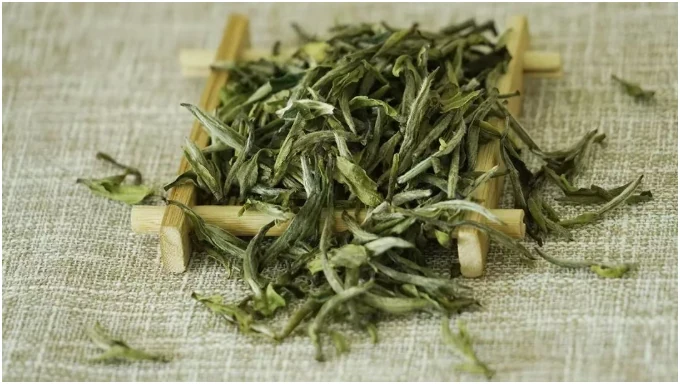
Zhenghe Dabai is closely linked with the region’s modern white tea identity, alongside other suitable material. Withering, sorting and drying remain central to the finished character. Makers often describe desirable teas as fragrant, sweet and smooth, sometimes with a broth-like texture. These are sensory descriptions to explore in actual samples, not guarantees conferred by a county name.


White tea and black tea share a landscape
Zhenghe’s tea identity also includes gongfu black tea. A cultivar can be processed into different tea categories, so product type and manufacturing matter alongside origin. When buying white tea from this area, ask for the producer, cultivar, picking period and processing details. The history makes the cup more interesting; clear records and careful tasting make the purchase more informed.


Sources and further reading
- Fudan University CHGIS: Zhenghe County historical name
- Fujian Provincial Government: Zhenghe and its tea industry