Ratgeber zu Tee und Teegeschirr
Why Does Pu-erh Tea Taste Smoky or Watery?

A smoky note and a thin, watery cup are different problems, even when they appear in the same Pu-erh tea. Smoke can come from processing or absorbed odors. Thinness may reflect an exhausted infusion, compressed leaves that have not opened, or a weak brewing recipe. Begin with the batch and the way it was prepared rather than deciding that all smoke is a defect or all aged tea is safe.
Where a smoky note can begin
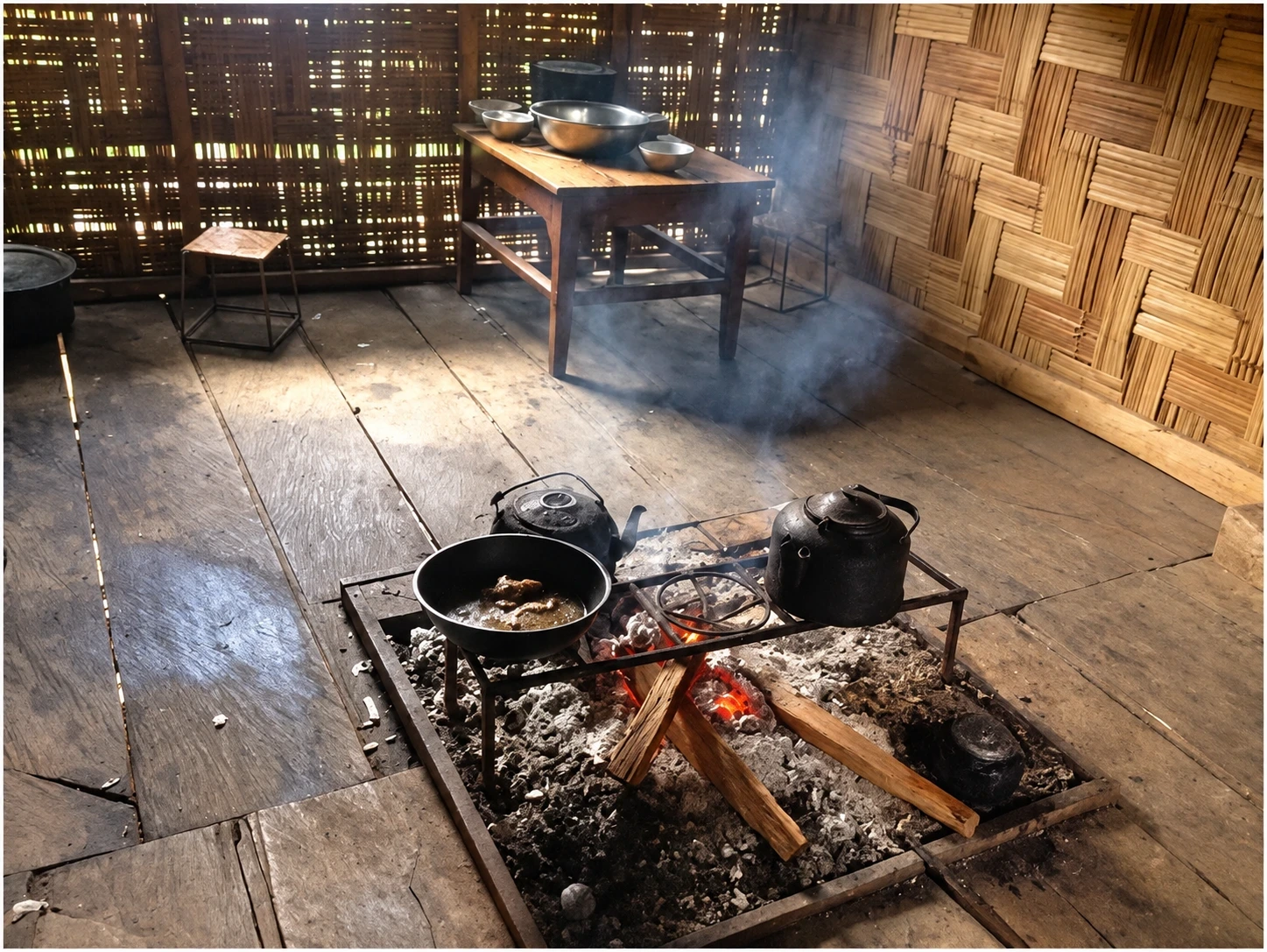
Wood-fired heating, smoke entering a processing space and drying near an open hearth can leave traces in leaves. Scorching can also create burnt notes. Modern equipment does not automatically eliminate these possibilities. Some established Pu-erh styles are appreciated for a smoky character, but a familiar description is not proof of its cause. Claims that sunlight or a particular local microbe inevitably turns into smoke aroma need more evidence.

Why the liquor may seem watery
Check leaf weight, usable water volume, infusion time and whether the water is hot enough for the particular tea. Break a dense cake into manageable pieces without crushing it into dust. Early infusions may be light while the compressed material opens; late infusions naturally weaken. Compare water sources too. Brewing water can change aroma, color and mouthfeel, but no single mineral cutoff explains every weak cup.

Storage faults are a separate question
Freshly pressed tea needs proper drying before sale. Poor storage can also damage the liquor, so ask about production, packing and storage rather than assuming a period of airing will solve everything. Visible mold, damp damage, an unexplained chemical odor or repeated discomfort are reasons to stop drinking and contact the seller. Rinsing, roasting or airing does not establish that suspect tea is safe.