Tea & Teaware Guides
Bingdao Pu-erh Tea: Five Myths to Leave Behind

Bingdao is a tea-growing name associated with Mengku in Shuangjiang, Lincang, Yunnan, China. Its reputation has grown around an often-described rock-sugar sweetness and a smooth finish. That reputation also attracts simplified sales stories. Five distinctions make those stories easier to assess without pretending that one flavor can authenticate a village.
1–2: Only Laozhai counts; genuine tea is never bitter
The wider Bingdao discussion commonly includes Laozhai, Nanpo, Dijie, Bawai and Nuowu. They are not interchangeable origins, and a product should identify which claim it makes. Neither does a sweet impression mean the tea contains no bitter or astringent compounds. Leaf dose and steeping time can expose bitterness in a tea normally described as sweet.
3: A historic planting date proves the age of every tree
A local planting story cannot establish the age of the individual tree supplying a particular batch. Conversely, a date quoted from local history is not enough to declare every older-tree claim impossible. Ask how the age estimate was made and how the harvest was traced. A large trunk, a photograph or a precise number on packaging is not independent verification.
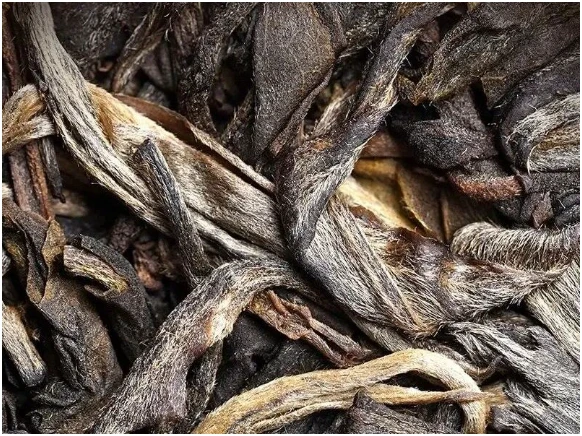
4–5: Old labels and extraordinary bargains prove authenticity
An old-looking wrapper is not a storage history, and a familiar recipe code is not a harvest date. Vintage claims need supporting records, especially when today’s celebrated village names appear on purportedly much older products. Equally, a low or high price cannot prove origin. Compare clear lot information, producer identity and a sample; avoid treating a dramatic discount as evidence that an improbable claim is true.
What sweetness can actually tell you
Sweetness and lingering aftertaste help describe a tea you enjoy. They cannot, by themselves, distinguish Bingdao from every neighboring area or identify added ingredients. Storage also changes how sweetness is perceived, and different batches do not follow one universal aging curve. Keep tasting notes, but keep provenance records alongside them.