Ratgeber zu Tee und Teegeschirr
Fu Brick Tea: Brewing Methods and Common Questions
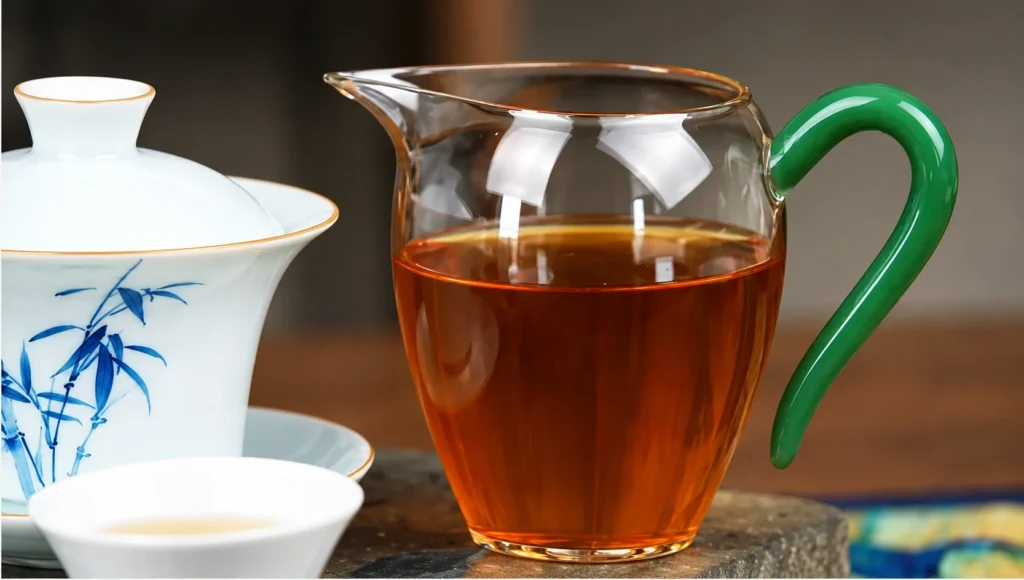
Fu brick tea is flexible at the tea table: a quick gaiwan session gives control, a flask gives convenience and a short simmer can produce a fuller cup. The right recipe depends on how tightly the brick is pressed, the amount of broken leaf and the strength you enjoy. Golden flowers are part of its manufacturing story; they do not require a special low-temperature brewing ritual.
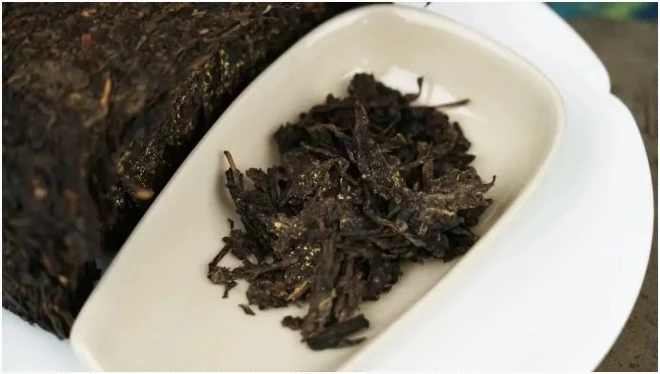
Open a portion safely
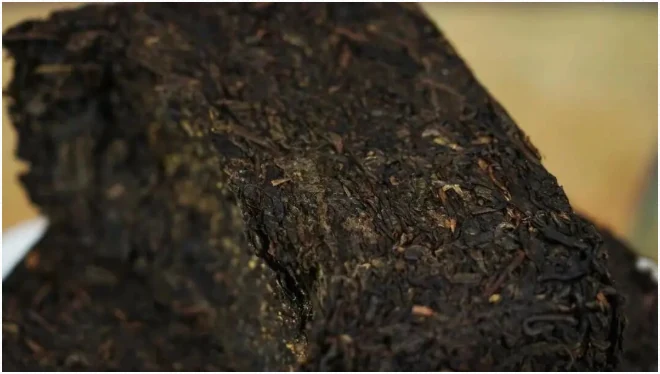
Rest the brick on a stable surface and ease a small portion away along the leaf layers, keeping a tea tool pointed away from your hand. Avoid turning the entire portion into dust, which can extract quickly and block a strainer. A few stems are normal for many Fu brick styles. If you find unexplained growth or damp damage, stop and ask the seller instead of brewing a test cup to decide whether it is safe.
Gaiwan or small-pot brewing
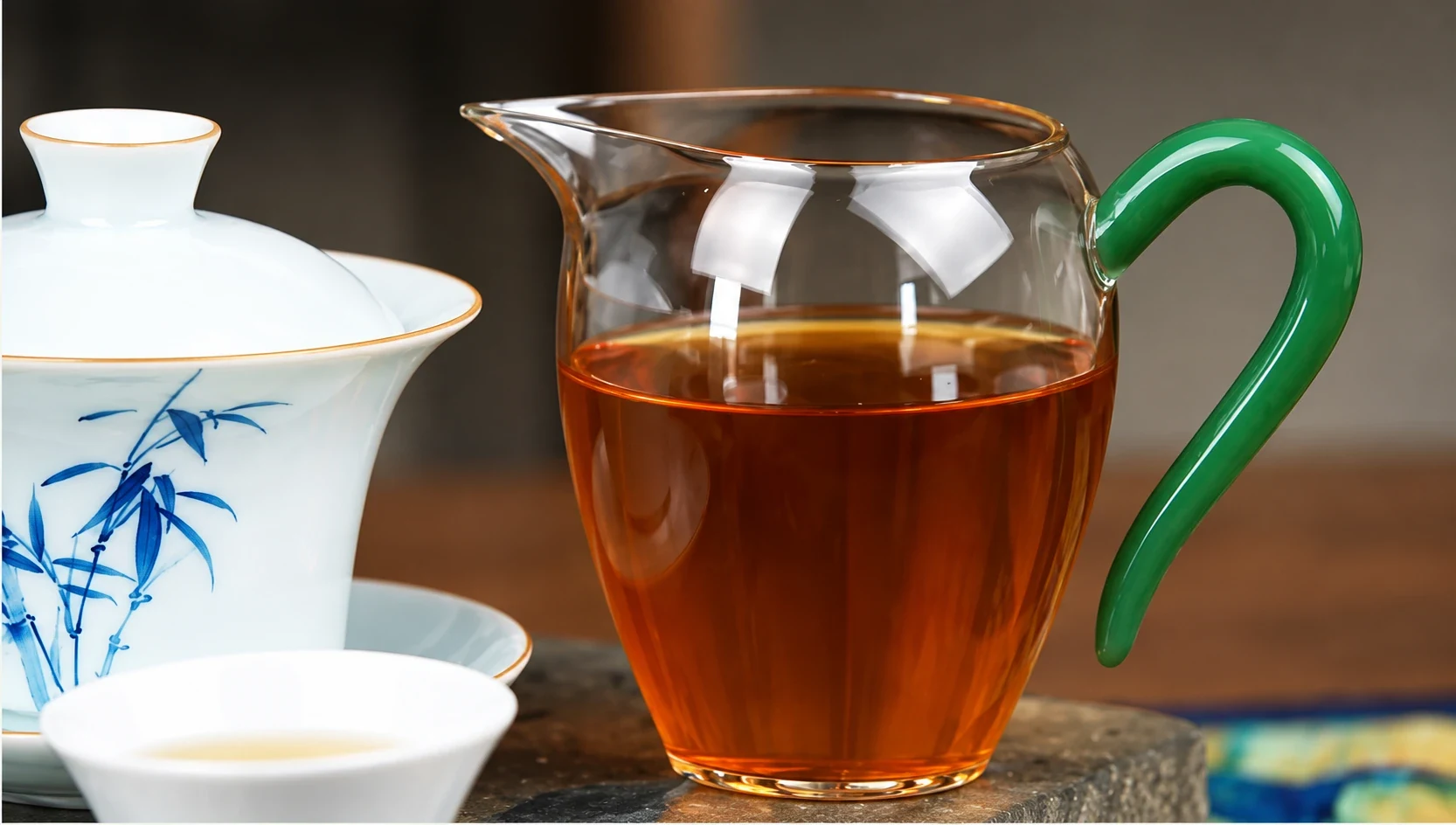
For gongfu brewing, start with roughly 4–5 g per 100–120 mL and freshly boiled water. Warm the vessel; a brief rinse is optional and should be discarded. Try about 10–20 seconds for the first drinking infusion, pouring out fully, then lengthen later infusions as needed. A tightly packed piece may take a little longer to open. Reduce the dose or time if the cup becomes heavy or harsh.
Flask and simmering methods
For a 500 mL heat-safe flask, around 2–3 g is a reasonable first trial; taste after 15–30 minutes before deciding on a longer steep. For a simmer, use a similar light ratio, bring the water to a boil and reduce the heat for a few minutes, then strain. These are starting points, not a requirement to extract every brick for an hour. Use suitable cookware and keep heating attended.
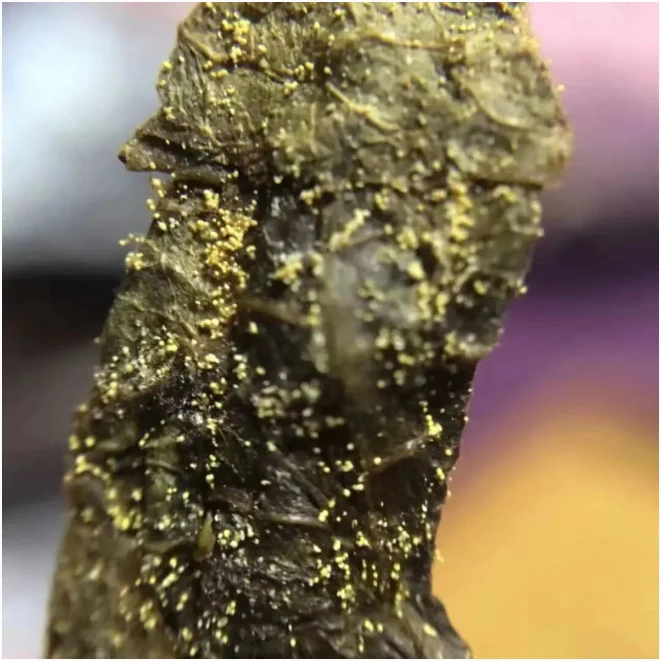
Should boiling water worry you about the flowers?
Enjoying fermented tea does not depend on preserving a guaranteed population of living fungi in the cup. Claims that all golden-flower organisms survive any boiling treatment are too broad, as are claims that the finished drink is a proven probiotic. Brew for a clean, comfortable infusion and follow the maker’s instructions. Rinsing or boiling is not a way to rescue mold-damaged tea.
A simple floral variation
If you enjoy floral tea, try a small amount of food-grade chrysanthemum with a light Fu brick infusion. Let the tea remain recognizable and add no sugar unless you want it. The result is a flavor variation, not a heat-clearing treatment. For a chilled version, cool and refrigerate promptly in a clean container rather than leaving the brewed tea in a warm room.