Tea & Teaware Guides
Fu Brick Tea Golden Flowers: Does More Mean Better?

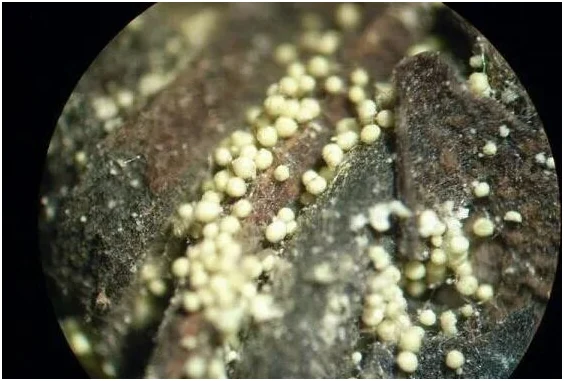
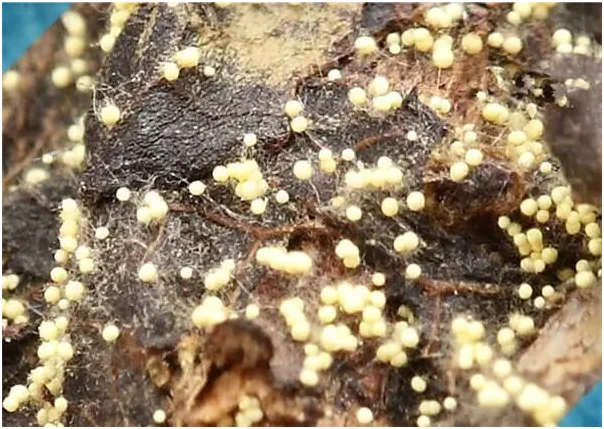
A broken Fu brick dotted with golden structures is visually striking. It is easy to turn that image into a simple buying rule: more flowers must mean better tea. The flowering stage does matter to Fuzhuan, but the finished product has more dimensions than the number of specks visible in one photograph.
Flowering is part of a process
The characteristic organism associated with Fu brick flowering is Aspergillus cristatus, historically called Eurotium cristatum. It acts within a broader fermentation community and helps transform the material. Raw leaf quality, moisture control, pressing, flowering management and final drying all contribute. Plenty of visible structures cannot compensate automatically for a weak blend, unsuitable storage or an unbalanced cup.
A process shortcut is a question, not a verdict
Some discussions contrast conventional flowering with methods involving added tea liquor or other adjustments. A name alone does not establish whether a process is well managed, hygienic or inferior. Ask what was actually done and what controls support the product. Likewise, hand-pressed and machine-pressed are production descriptions; neither is an automatic guarantee of higher nutritional value or better flavor.
Count the tasting qualities as well
Look at a representative sample rather than a deliberately selected close-up. In a sound tea, compare aroma, liquor clarity, sweetness, texture and finish under the same brewing conditions. Fermentation-related fragrance should work with the tea’s own character. A mushroom-like description does not excuse mustiness, and a photograph cannot authenticate a strain or prove that no harmful contamination is present.

More visible flowers do not mean a larger health benefit
Research on fermentation organisms and tea compounds can be interesting, but it is not a basis for choosing a medical dose by flower count. A cup of Fu brick tea is not automatically a proven probiotic or a diabetes treatment. Buy a documented, properly made tea for the drinking experience, and treat health promises that rise with the number of flowers as a separate claim needing evidence.