Ratgeber zu Tee und Teegeschirr
Seven Chinese Green Tea Aromas: A Tasting Guide
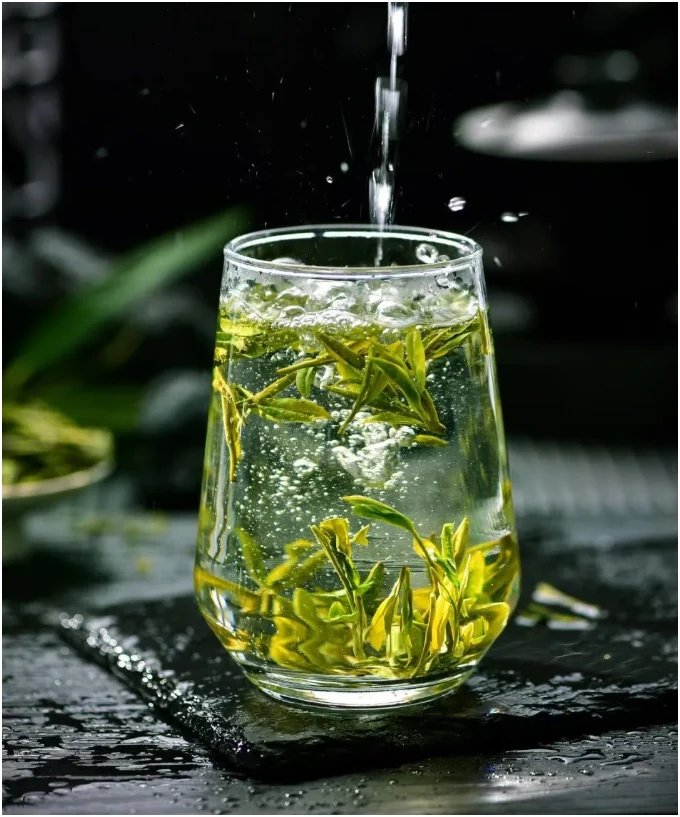
Fresh bamboo, chestnut, flowers or seaweed: green tea can smell remarkably varied. These are tasting comparisons, not a fixed ingredient list. One tea may combine several impressions, and a familiar tea name does not guarantee exactly the same aroma in every season or batch.
Cultivar, place and processing work together
Tea varieties differ in their aromatic potential. Growing conditions, leaf maturity, picking season and the handling of fresh leaves also matter. Fixation and drying then transform those materials. Nearby fruit trees can form part of a garden’s ecology, but a floral description does not prove that roots absorbed a neighboring flower’s perfume or that finished tea was scented.
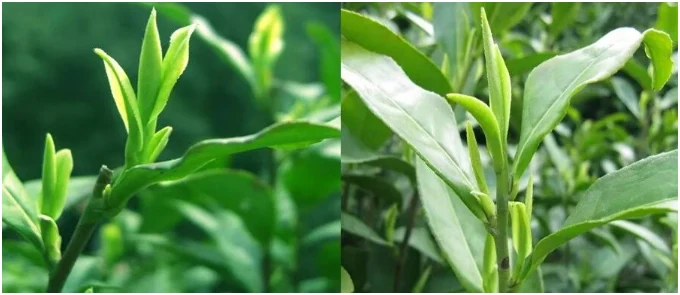

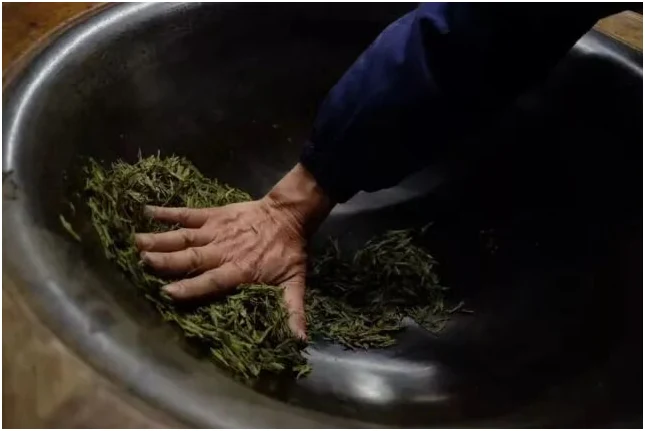
Fresh green, bean-flower and chestnut notes
Fresh green aroma suggests clean, light plant notes, often used for Anji Bai Cha and Lu’an Guapian. Bean-flower is a gentle floral and tender-bean comparison often discussed with Longjing; it differs from an obvious roasted-bean smell. Chestnut describes a nutty warmth found in several pan-fired green teas, including examples of Xinyang Maojian. More intense roasting does not automatically make a tea better.
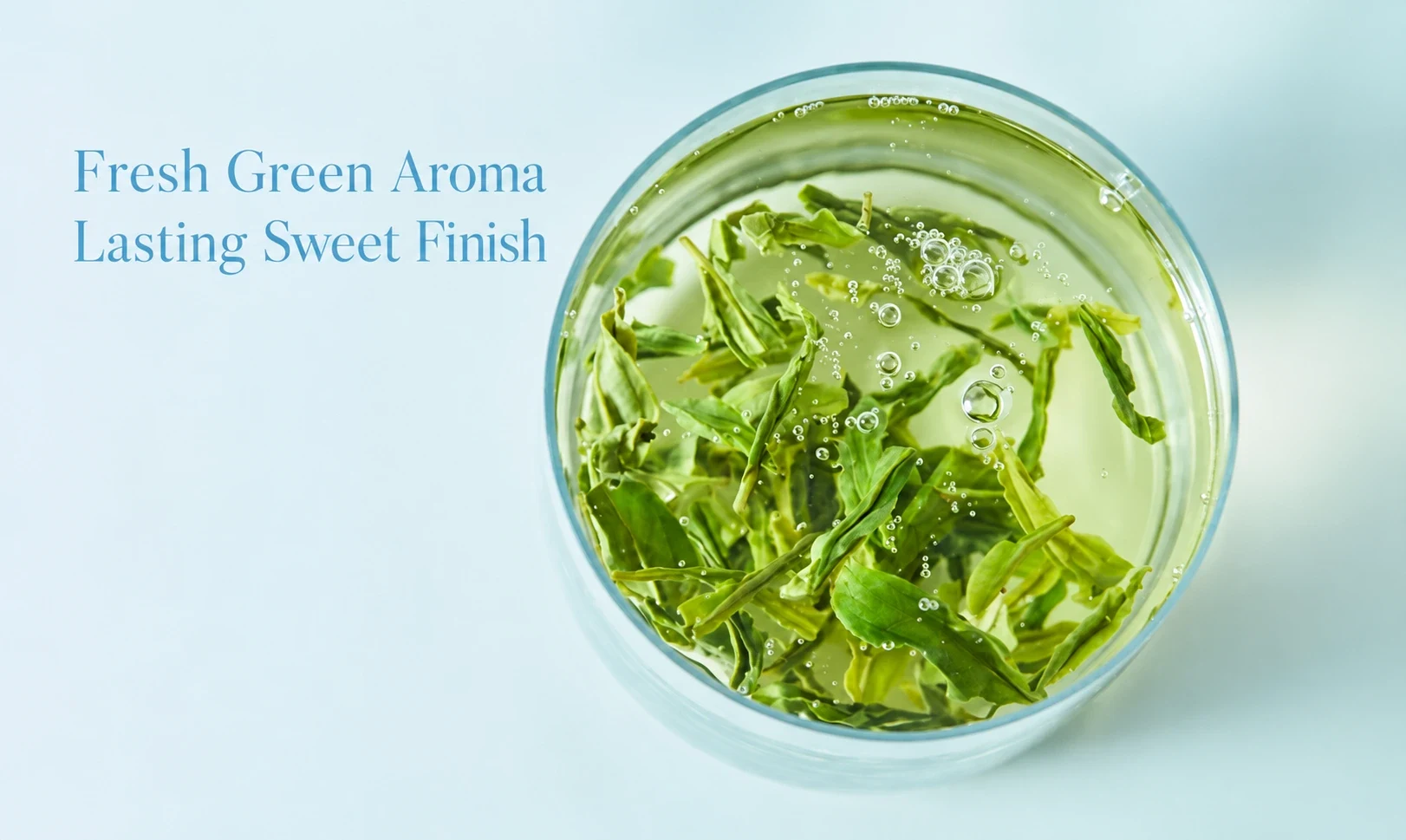

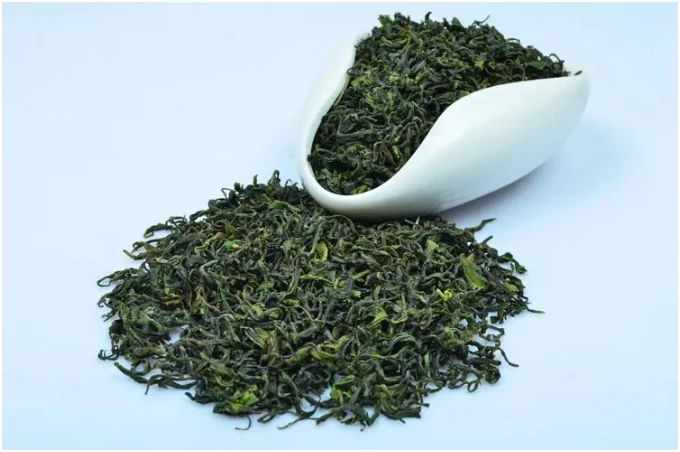
Floral-fruity and orchid-like notes
Dongting Biluochun is often described as floral and fruity. Orchid-like is another delicate floral comparison used for some Huangshan Maofeng, Taiping Houkui and Shucheng Lanhua. Such language helps a taster communicate an impression. It cannot authenticate origin, and the absence of an orchid note does not make every other sound tea inferior.

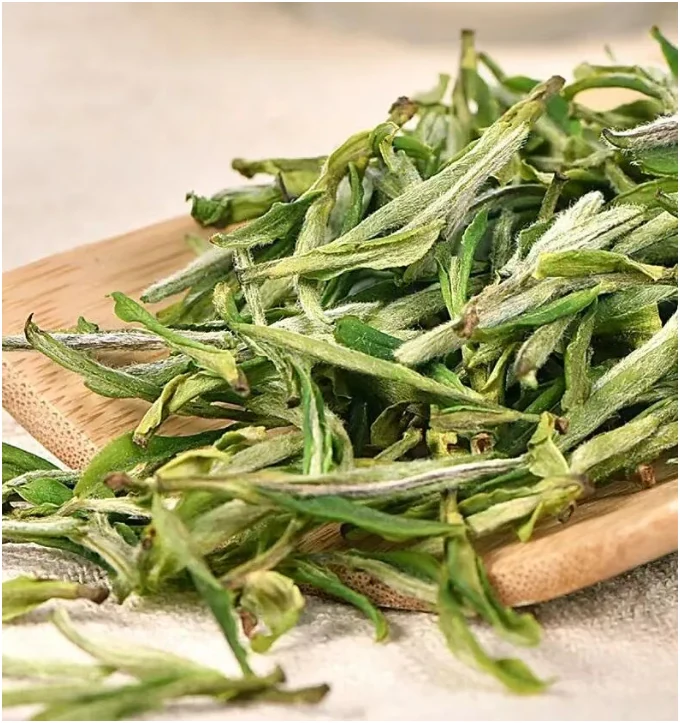

Seaweed and creamy impressions
Steamed styles such as Enshi Yulu can suggest seaweed or nori alongside fresh green notes. Some Huangjinya samples are described as creamy. These are not universal signatures, and creamy aroma alone proves neither added dairy nor its absence. Read the ingredient list if a tea is flavored. Huangjinya is commonly made as green tea: yellow leaves do not determine its processing category.
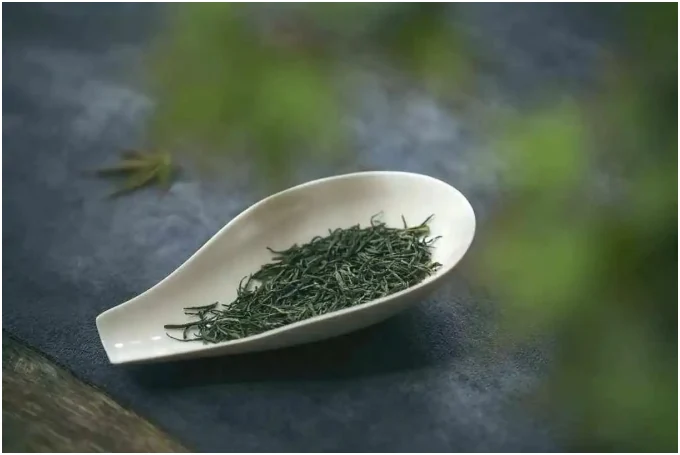
Smell a cooling cup as well
Compare the warm dry leaf, the lid or empty cup, and the brewed liquor as it cools. Use the same water and recipe when comparing samples. A clean aroma that works with sweetness, texture and finish is more useful than chasing the loudest scent or treating seven descriptions as an official grading ladder.