Ratgeber zu Tee und Teegeschirr
How Zhenghe White Tea Is Made: Details Behind Two Steps

Withering and drying sound like a short production schedule. In Zhenghe white tea, however, the decisions within those stages can make a large difference. The maker must work with changing leaf condition and weather, not merely wait for a timer.
Spread the leaves to suit the material
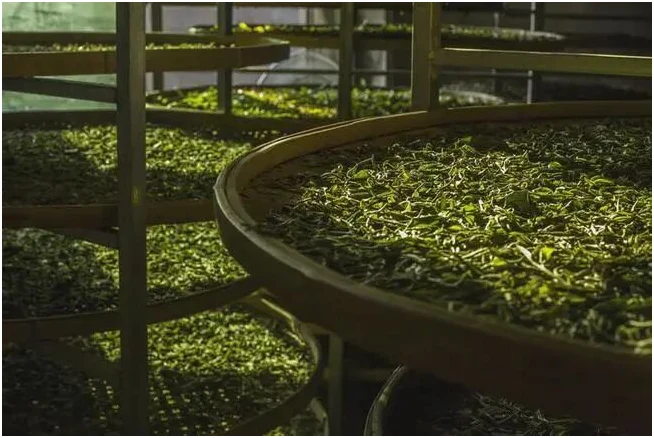
Fresh leaves are spread on trays so that moisture can leave in a controlled, reasonably even way. Too much crowding and excessive heat can create uneven conditions; an unsuitable thin spread can move water too quickly. The correct loading depends on tray dimensions, tenderness, initial moisture and room conditions. A tray weight quoted by one maker is not a formula for every factory.

Withering is managed, even indoors
Airflow, humidity and temperature interact. Indoor natural withering does not mean that the leaves can be ignored; ventilation, cooling or dehumidification may be needed as weather changes. A maker may need to observe the leaf and adjust conditions through the day. Later resting or moisture balancing should be distinguished from uncontrolled damp piling of finished tea.

Sort carefully and finish drying
Sorting removes foreign material and unsuitable leaf, while final drying brings moisture down and helps establish the finished character. The recipe must fit the material and equipment. Amino acids are not simply low-boiling aroma substances that evaporate away; heat can drive several chemical changes. Buyers can ask about the product’s drying and storage, but touch alone cannot certify a numerical moisture level.
