Ratgeber zu Tee und Teegeschirr
Liubao Tea Odors: Storage, Pile, Mold and Watery Notes
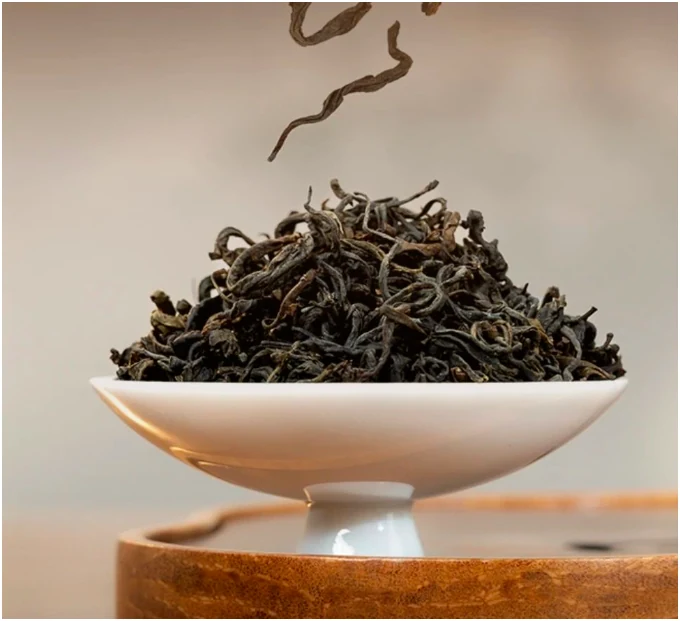
Aroma is central to enjoying Liubao, but several very different problems can be hidden behind the word “aged.” Storage odor, pile-fermentation odor, mustiness and a watery impression do not mean the same thing. Understanding the terms can help you discuss a batch with the seller. It cannot turn the kitchen table into a laboratory for identifying fungi or contamination.
Storage odor: the environment leaves a trace
Tea can absorb smells from packaging and the space around it. A closed, damp or odor-filled room may leave stale or heavy notes, whereas a desirable aged aroma can be clean and woody. People use “storage odor” loosely, so ask what they mean and how the lot was kept. A short rest can alter the aroma of sound tea, but an odor fading after airing does not prove that a damaged tea is safe.
Pile odor: a processing-related description
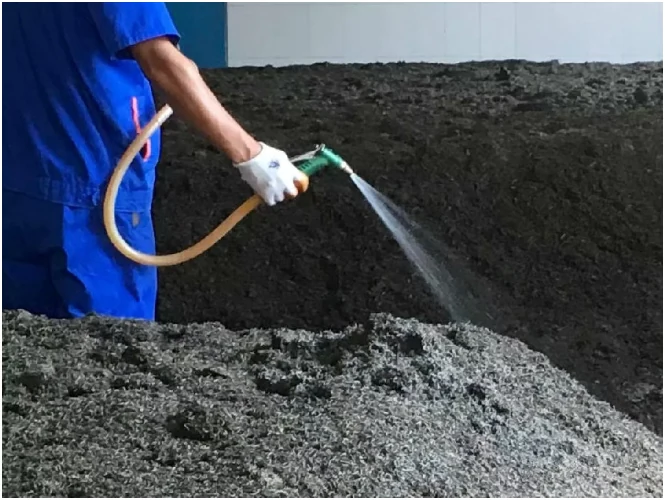
Modern wet-piled Liubao can carry earthy or straw-like processing notes. Turning, drying and later maturation influence their intensity. Some of those notes settle with appropriate storage, while a persistent unpleasant odor deserves questions about manufacture and condition. Do not assume that every earthy smell is normal fermentation, or that all traditional-style tea is free of processing faults.

Mold: do not identify safety by color or taste
A yellow speck is not automatically a desired golden-flower fungus, and white material is not automatically harmless “frost.” Phone magnification, rubbing a leaf or tasting for throat irritation cannot reliably identify a species or exclude toxins. If tea shows unexplained growth, damp damage or an unusual musty odor, stop using it and contact the seller. Airing, rinsing, boiling or roasting is not a validated way to restore mold-damaged tea for drinking.
Wateriness: check brewing as well as drying
A thin cup can come from too little leaf, an early infusion before compressed leaves open, exhausted leaves or unsuitable brewing water. Inadequate drying or moisture problems during manufacture and storage are a separate possibility. Repeat a measured brew only with a tea that is otherwise sound, and compare it with the producer’s guidance. A weak flavor alone cannot establish the cause.

