Ratgeber zu Tee und Teegeschirr
Why Is My Longjing Tea Bitter or Weak? Six Things to Check

Bitter Longjing tea is often a brewing problem you can adjust; weak tea may simply need a little more extraction. Before blaming the leaves, record the dose, water volume, temperature and time. Changing everything at once makes it difficult to learn what helped.
Start with the six checks below. They cover both sides of the problem: a cup that feels harsh and drying, and one that tastes like little more than hot water.
First, separate bitterness from astringency
Bitterness is a taste; astringency is the drying, tightening sensation you may notice in the mouth. They can occur together, but they are not the same. A little bitterness can be part of a balanced green tea; an unpleasant cup is a reason to adjust the brew, not an automatic verdict on origin or price.
Caffeine and several polyphenols contribute to bitterness, while tea polyphenols also contribute to astringency. Their amounts vary with the leaves and processing. A fixed chemical percentage cannot diagnose your particular cup.

1. Check the leaves and the batch
Look for a clean dry aroma, the stated harvest year and a plausible storage history. Broken pieces expose more surface area and may extract differently from intact flat leaves. Judge the batch you have, rather than expecting the product name to guarantee a result.

Season and cultivar can affect character, but ‘spring’ does not guarantee sweetness, and a more forceful cup is not proof of a summer harvest. Origin cannot be confirmed by bitterness either.

If the tea smells musty or shows visible mold, do not try to rescue it with hotter water or a rinse. If drinking causes unusual discomfort, stop using that tea rather than treating numbness as a normal quality test.
2. Check the leaf-to-water ratio
Too much leaf in a small cup can produce a concentrated, bitter brew even with a short steep. Too little leaf in a large mug can taste thin. Count actual milliliters, not an undefined ‘cup’, and weigh the leaves at least while learning.
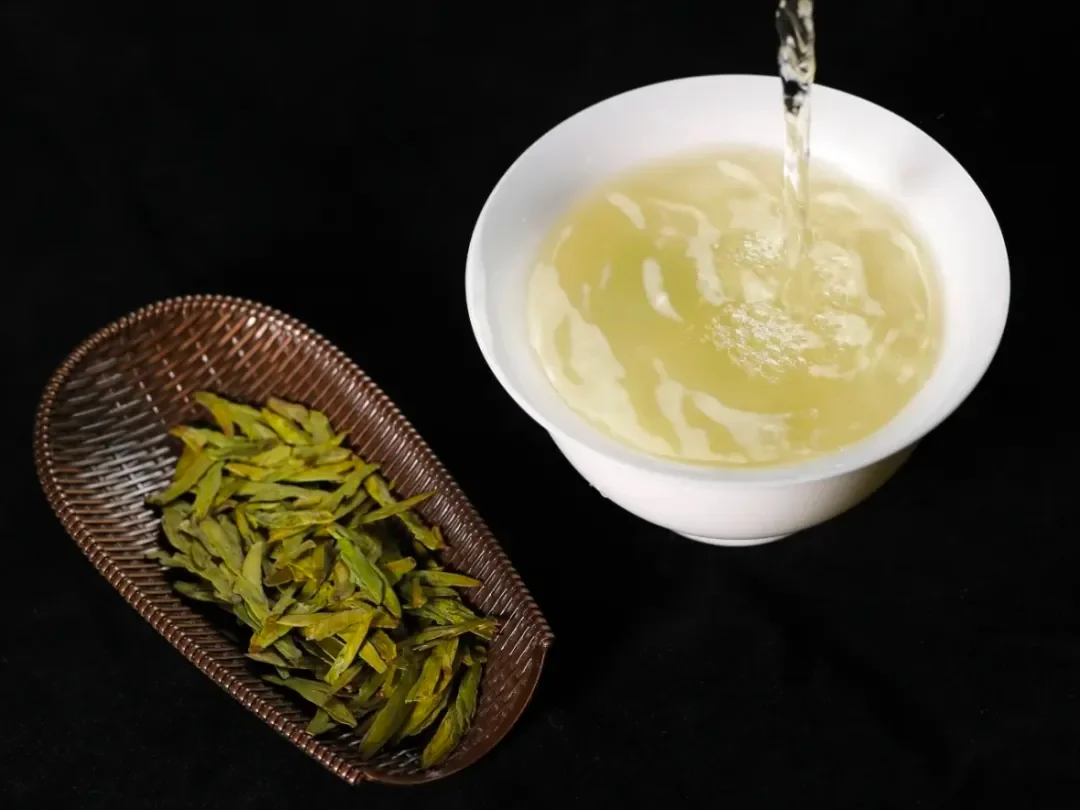
A useful reset is 3 g for 200 mL. If your current cup is harsh, use a fresh dose and reduce it slightly, keeping the other settings unchanged. If it is weak, first extend the time a little; if still thin, try 3.5 g on the next fresh brew.
Do not compare that drained-cup ratio directly with a small gaiwan recipe using much more leaf and very short infusions. Dose and time work together.
3. Check the water temperature
Temperature affects how quickly flavor compounds move into the water. A very hot, long infusion of tender leaves can become difficult to enjoy. Water that is too cool for a brief steep may leave the cup underdeveloped.

Try 80°C (176°F) as a starting point. For a harsh cup, shorten the time first or compare a fresh brew at 75°C (167°F). For a thin cup with the right dose, try a small increase toward 85°C (185°F). Keep a note so you can repeat the version you like.
4. Check how long the leaves stay in contact with water
The timer does not stop when you take the first sip. Leaves left in a glass continue to extract. A cup that is pleasant at one minute can become strong while you answer a message or leave it on the desk.
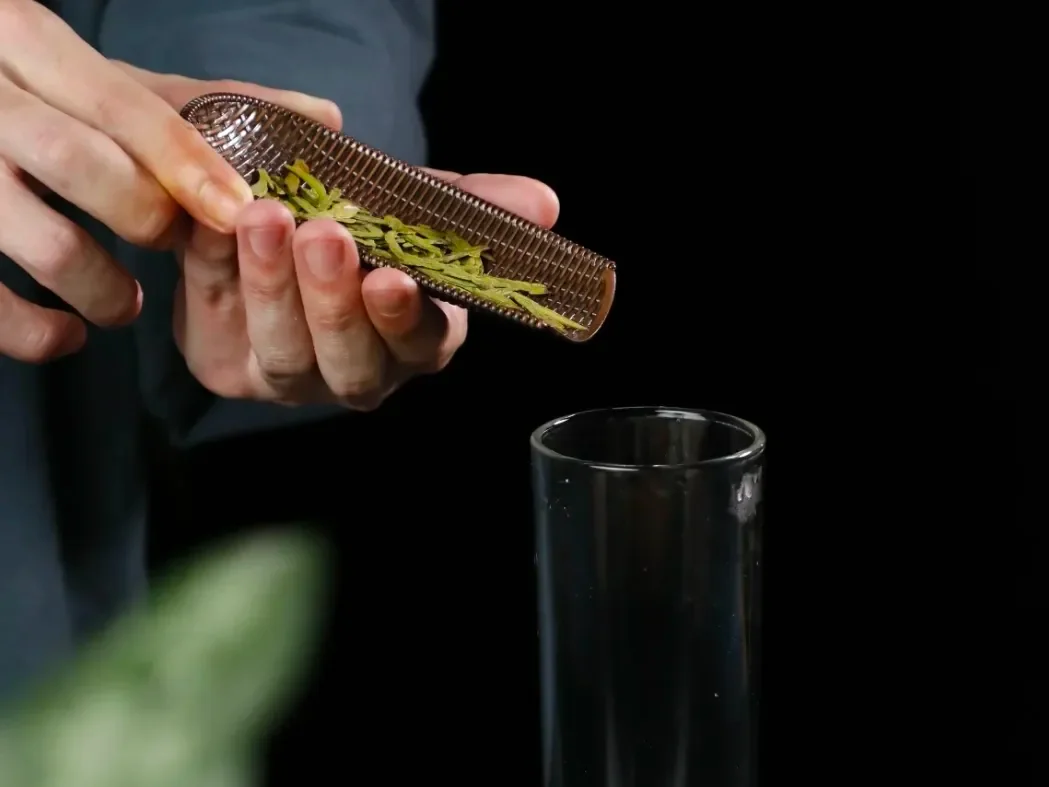
For a controlled comparison, taste at one minute and separate the liquid from the leaves. If weak, extend by 15–30 seconds. If harsh, shorten the next fresh brew. When using a glass with leaves left inside, reduce the dose to suit your drinking pace instead of trying to apply a drained-cup timer unchanged.
5. Compare the water
Use drinking water without a strong odor. Residual chlorine can affect aroma; mineral content and pH can also change the appearance and flavor. Try the same recipe once with suitable filtered water if the usual cup seems dull.
A shiny surface film is a different issue from a chlorine smell. Research on tea-film formation describes interactions between tea polyphenols and ions in water, with hardness affecting the film. It does not support the simple claim that chloride ‘rusts’ tea into an oily layer.

A photograph of surface film cannot establish safety, contamination or tea quality. Check that the vessel is clean and compare water sources; do not use the film as a test for authentic West Lake Longjing.
6. Check storage and expectations
Heat, air, moisture, light and nearby smells can reduce the appeal of stored green tea. A flat aroma cannot always be restored by adding more leaves. Buy a manageable quantity and keep it sealed according to the producer’s guidance.

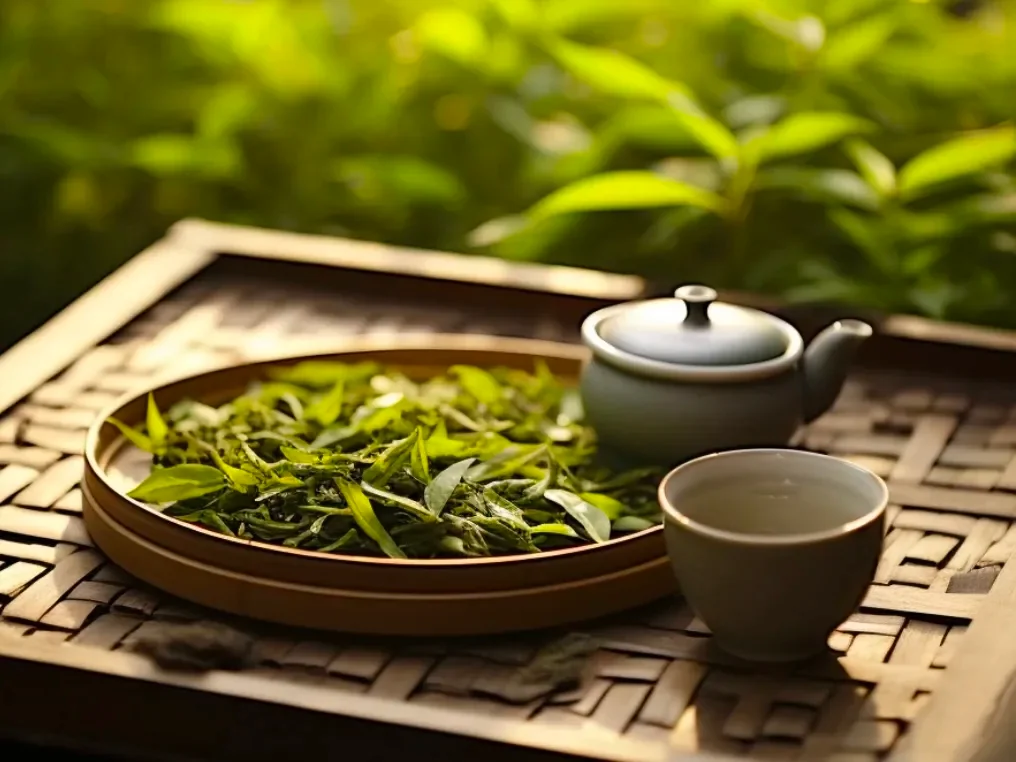
A garden photograph tells you about a landscape, not how your opened bag has been kept. Ask about storage when buying late in the year, and do not confuse a website’s ‘new’ badge with a new harvest.
A quick troubleshooting table
| What you notice | Check first | Try on the next brew |
|---|---|---|
| Bitter and very strong | Long contact or high dose | Shorter steep; then consider less leaf |
| Drying finish | Time, temperature, concentration | Change one setting, then taste again |
| Thin but clean | Short steep or low dose | Extend 15–30 seconds; then adjust dose |
| Dull aroma | Water odor and leaf storage | Compare filtered water and a fresh sample |
| Good first sip, harsh later | Leaves left in the cup | Drain, remove the strainer or reduce dose |
For a clean reset, use fresh leaves, 3 g per 200 mL, 80°C water and a one-minute first taste. That gives you a repeatable reference. The goal is a cup you enjoy, not forcing every Longjing to taste identical.
Follow the full Longjing brewing method, or explore harvest and cultivar in our Longjing tea guide.