Ratgeber zu Tee und Teegeschirr
Mi Lan Xiang vs Ya Shi Xiang: Which Dancong to Choose?
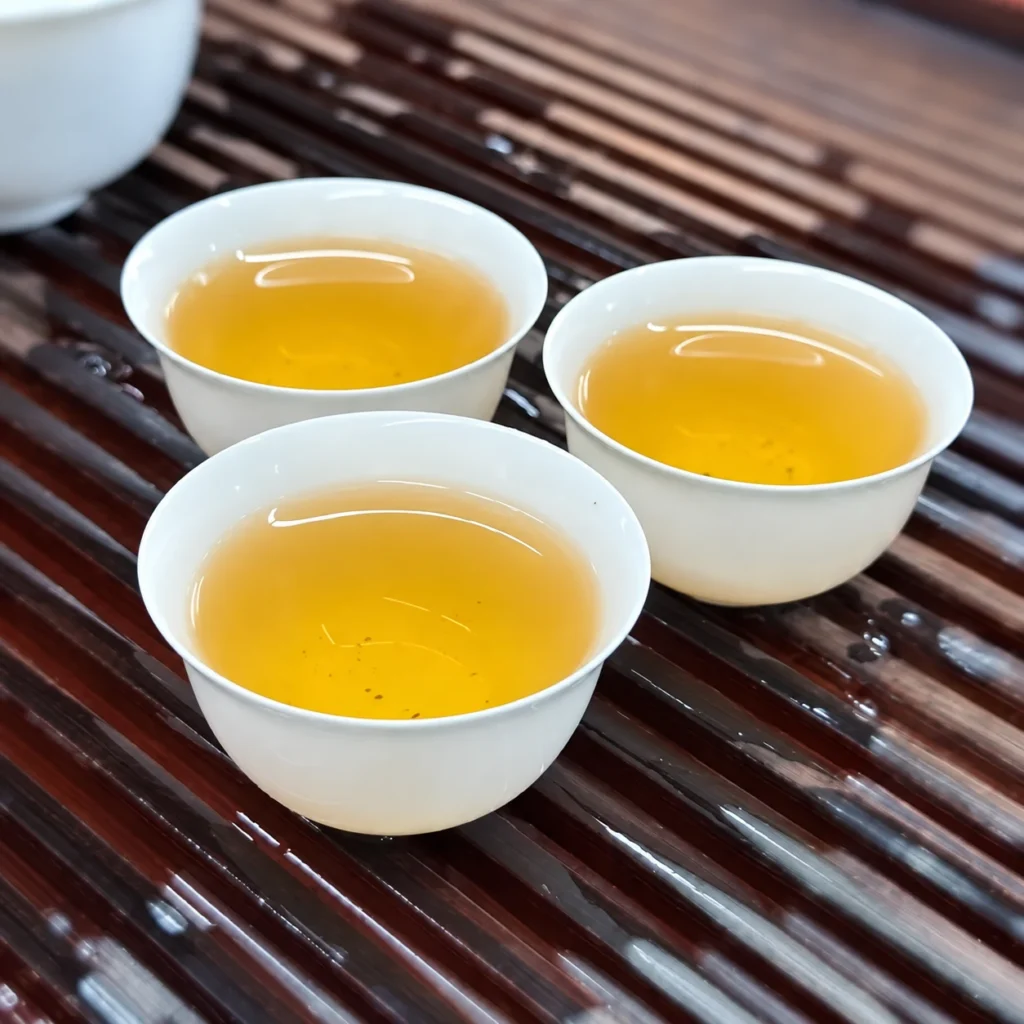
Two familiar names, two useful reference points
Mi Lan Xiang and Ya Shi Xiang are two widely encountered Phoenix Dancong names. Mi Lan Xiang often suggests honey, orchid and a sweet-potato-like warmth. Ya Shi Xiang is often introduced through a more outgoing floral fragrance, sometimes described as gardenia-like or creamy.
Those descriptions help you choose samples; they do not replace tasting. A roast can make a floral tea feel deeper, while a light treatment can make its perfume more immediate. Neither name guarantees a particular quality level.
Mi Lan Xiang: honey first, then a quieter flower
In the source comparison, Mi Lan Xiang has a rounder, more settled character, with honey sweetness leading into orchid and a smooth finish. A more roasted example may suggest cooked sweet potato. That is an aromatic association, not sugar or a flavoring ingredient.
For everyday drinking, notice whether the sweetness stays pleasant through several cups and whether the finish is clean. A rich aroma is less useful if the strength becomes tiring.
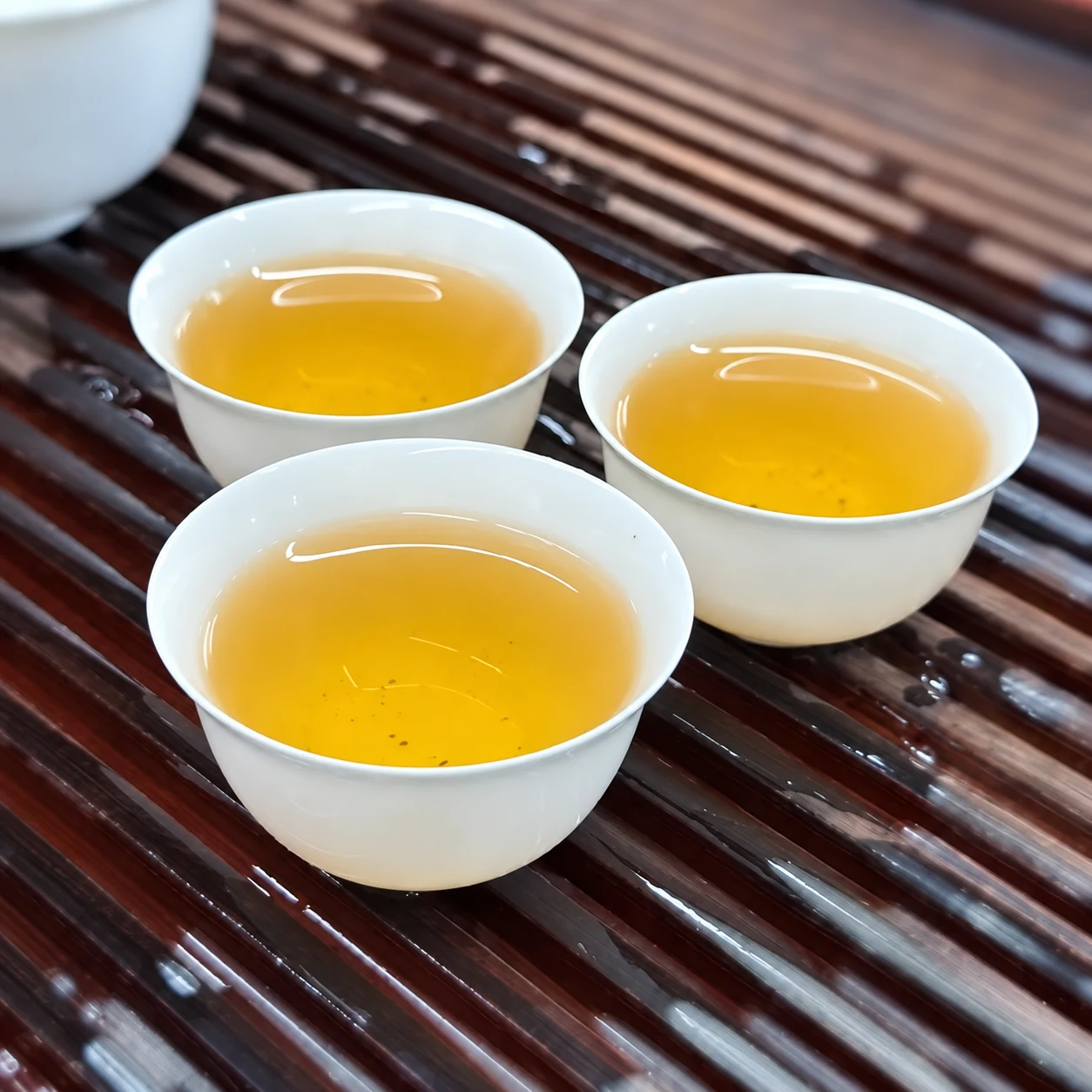
Ya Shi Xiang: an unusual name and a vivid floral cup
The literal English nickname “Duck Shit Aroma” can distract from a tea that is prized for flowers rather than anything unpleasant. Accounts of how the name arose differ; stories about hiding a valuable tree or a local soil name should be treated as folklore, not a verified origin for every batch.
The source describes a bright floral profile. Winter-harvest examples, often called xue pian or snowflake tea, may emphasize a different aromatic expression from spring tea. Season and roast belong on the label alongside the name.
Compare them before buying a large pack
Use equal leaf weights, matching gaiwans, the same water and the same steep times. Taste both the hot liquor and the cooled empty cup. Prefer pronounced flowers? Begin with Ya Shi Xiang. Prefer honeyed depth? Begin with Mi Lan Xiang. Then test a second example of each: one packet is not the entire style.
A small sample set is more informative than a debate over which name is best. Choose for the flavor you enjoy, how the tea behaves at your usual brewing strength and what you can comfortably afford.