Ratgeber zu Tee und Teegeschirr
Smoked vs Unsmoked Lapsang Souchong: Which Should You Try?
Choose smoked Lapsang if you enjoy wood-fire aromas; start with unsmoked Lapsang if you prefer a gentler floral or fruity black tea. This is a preference decision, not a contest in which the oldest method always wins.

The main difference is the smoking step
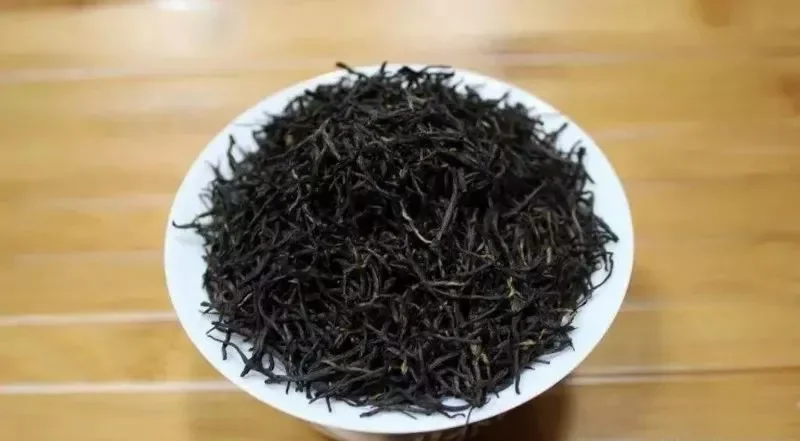
Both are black teas. Traditional smoked processing exposes the tea to wood smoke during manufacture, while an unsmoked process avoids deliberate smoking. Producers vary the sequence and intensity, so “smoked” does not guarantee the same strength in every packet.
How the cups can differ
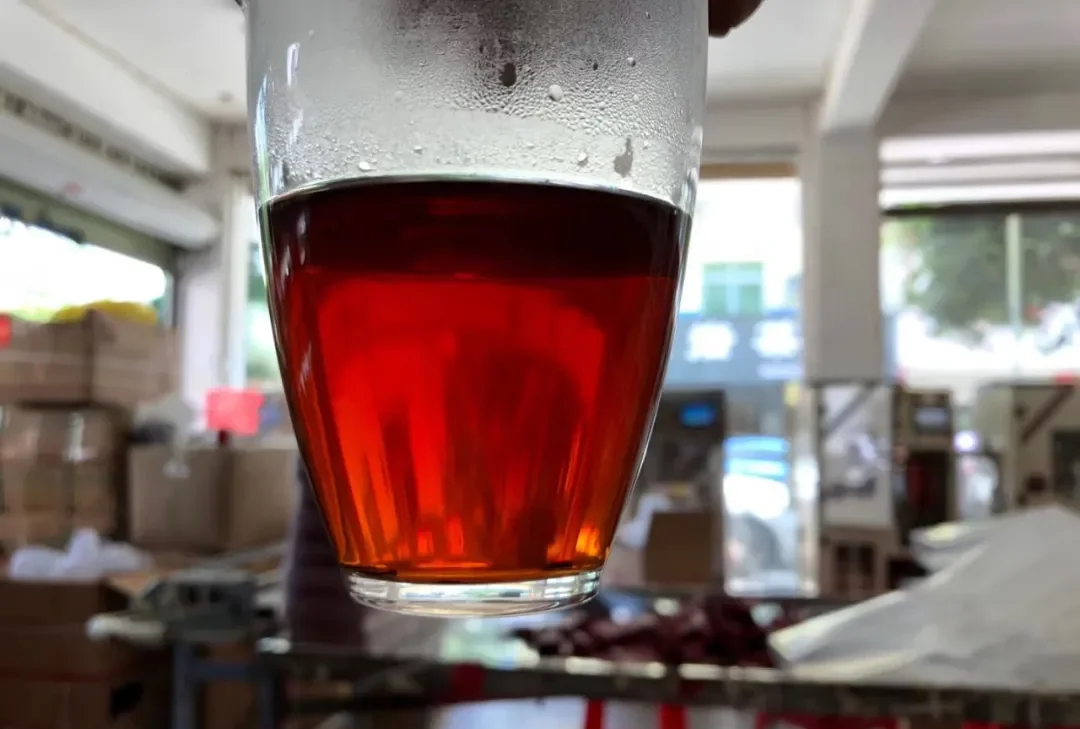
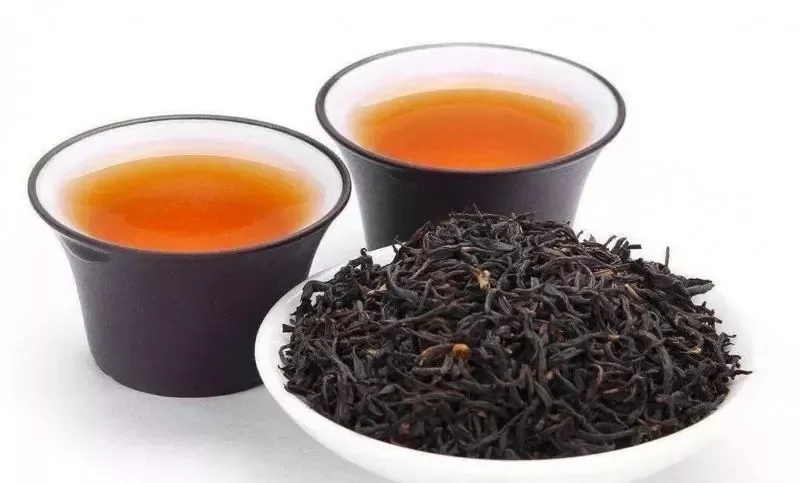
Smoked tea often suggests pine, a hearth or dried longan, supported by the underlying black tea. Unsmoked styles may make floral, fruit and honey-like impressions easier to notice. Neither requires added fruit or honey to produce those descriptions.


Does unsmoked mean less authentic?
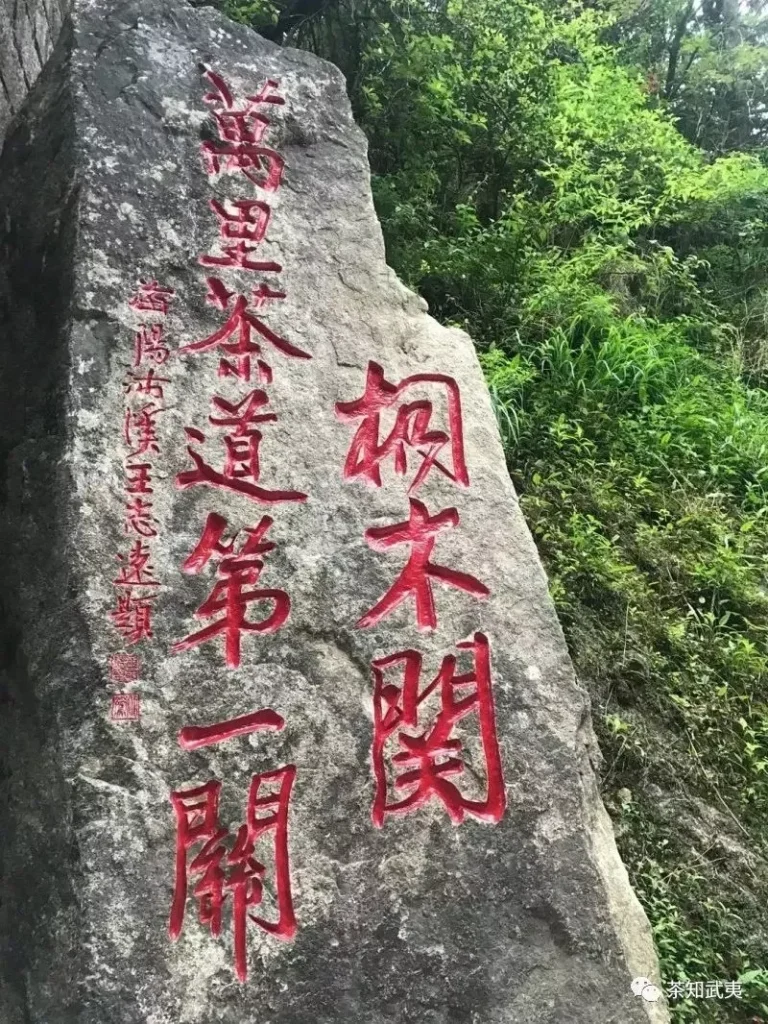
No. A processing style and a leaf origin are separate facts. You still need the grower or supplier's origin information. Smoke alone cannot verify Tongmu, and an unsmoked tea should not be dismissed simply because it lacks a campfire aroma.
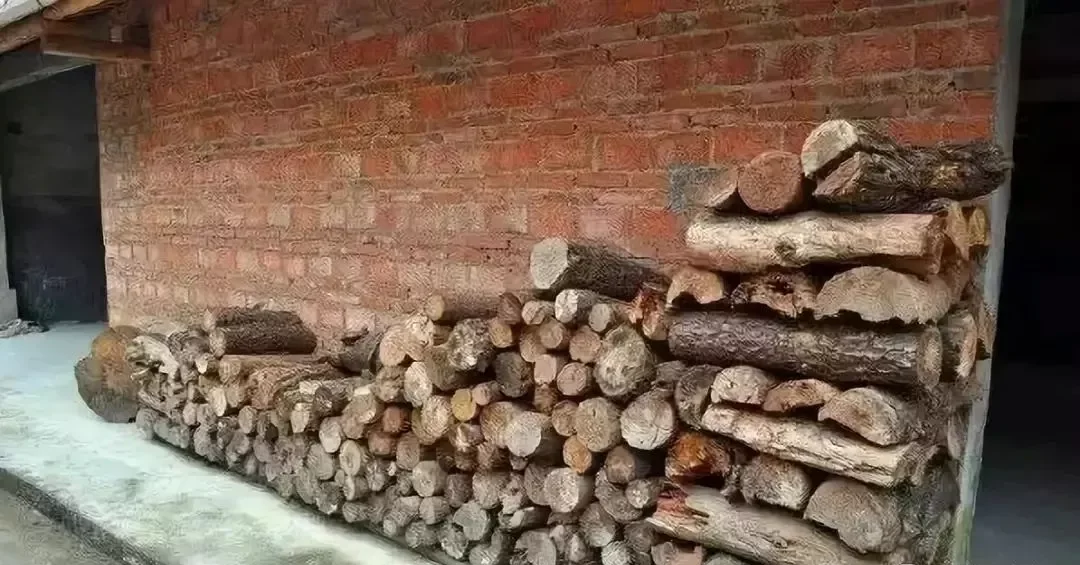
Smoking also requires control of fuel and manufacture. Photographs of a fire or wood stack illustrate the craft, but do not certify a product's source, safety or quality. Avoid assuming the strongest smell reflects the most traditional production.
Make a fair comparison at home
Use clean porcelain or glass so residual aromas do not interfere. Brew small portions at similar drinking strength. Smell the warm leaves, sip after the cup cools slightly, and compare the finish. A strongly smoked first sample can otherwise dominate your impression of the second.

A practical first order
Buy small samples of both, clearly labeled by process. If you drink tea plain, look for balance and a pleasant aftertaste. If you plan to add milk, test a slightly stronger infusion before choosing a larger pack. There is no need to buy the smokiest tea to understand the style.