Sandao · Chinesisch teegeschirr & Kultur
Six Great Tea Mountains: Yunnan Tea Company Profile
← Chinese Tea Brands & Companies
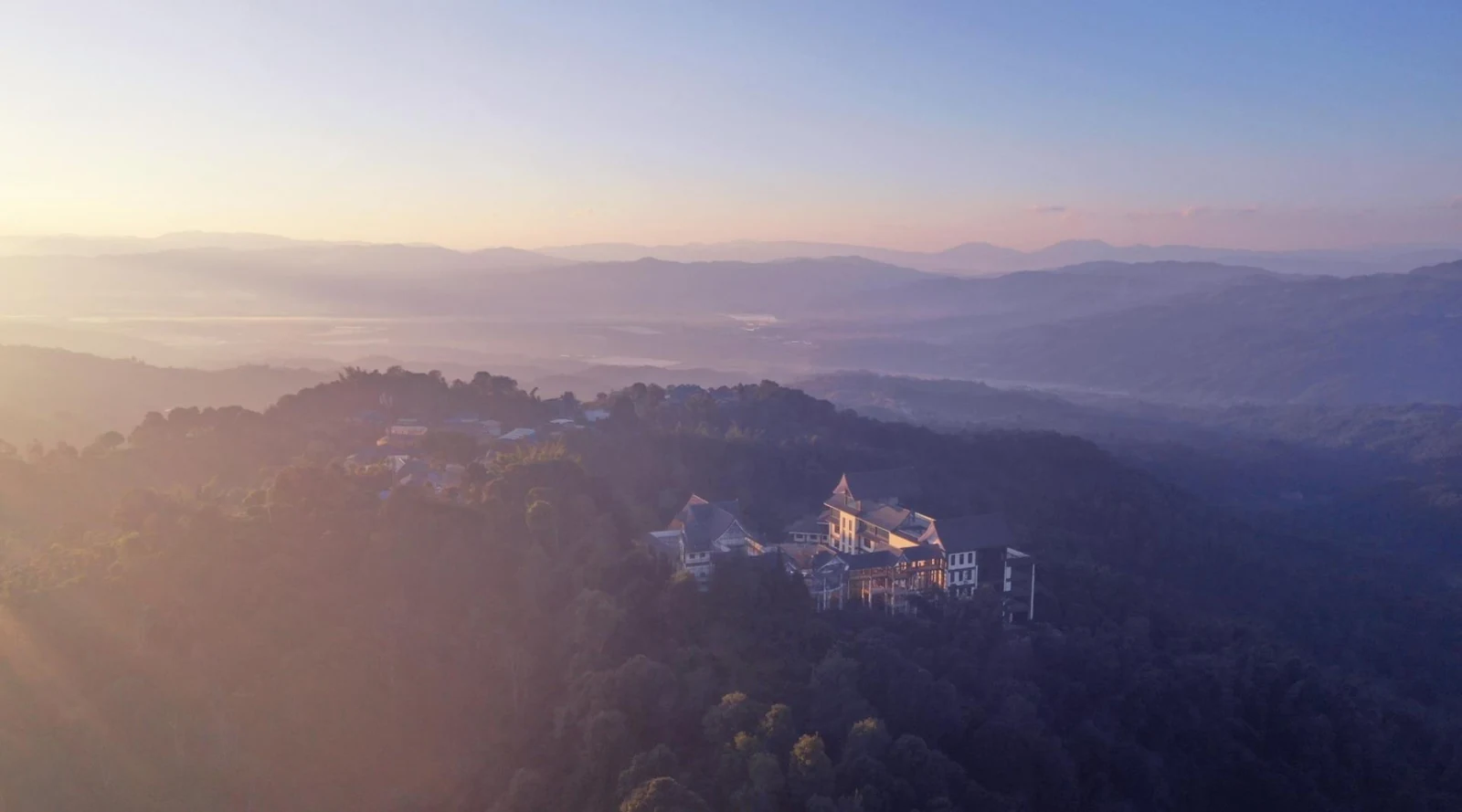
Six Great Tea Mountains is a Chinese tea company headquartered in Kunming, Yunnan. Founded in 2002, Yunnan Six Great Tea Mountains Tea Co., Ltd. produces and sells pu-erh, black tea and green tea. Its official presentation connects tea manufacturing with raw-material bases in Menghai and Fengqing and the Hekai tea estate.
Company at a glance
| Chinese company name | 云南六大茶山茶业股份有限公司 |
|---|---|
| English name used here | Yunnan Six Great Tea Mountains Tea Co., Ltd. |
| Founded | 2002 |
| Headquarters | Kunming, Yunnan, China |
| Main tea categories | Pu-erh, Yunnan black tea and green tea |
| Official website | liudachashan.com |
Main business: tea production, sales and regional resources
The company overview describes manufacturing and sales supported by factories in Menghai and Fengqing. It also records a 2019 equity partnership with China Tea to establish Zhongcha Liushan (Fengqing) Tea Co., Ltd., combining resources in production, development and distribution.
Hekai in Menghai and Chahe in Fengqing are identified as raw-material bases. These are separate from the Kunming head office. A company-wide description of tea bases should not be taken to mean that every tea has the same origin or certification.
Main products and their characteristics
| Pu-erh tea | The catalog includes estate collections and named cakes, with processing type and vintage recorded on individual pages. |
|---|---|
| Dianhong black tea | Liushan Dianhong includes loose and compressed presentations, such as Chun Yin and Jingmei Shiguang in the historical catalog. |
| Green tea | Named as a main tea category in the company overview; specifications should be checked with the company. |
| Estate and themed collections | Hekai Estate, Liushan Ancient Tea Estate, Junchang Hao and Six Great Tea Mountains collections offer different product groupings. |
| Customized and mid-aged tea | The website provides separate custom-tea and mid-aged-tea sections; age and storage should be assessed for the particular batch. |
Hekai: tea, archives and visitor experiences
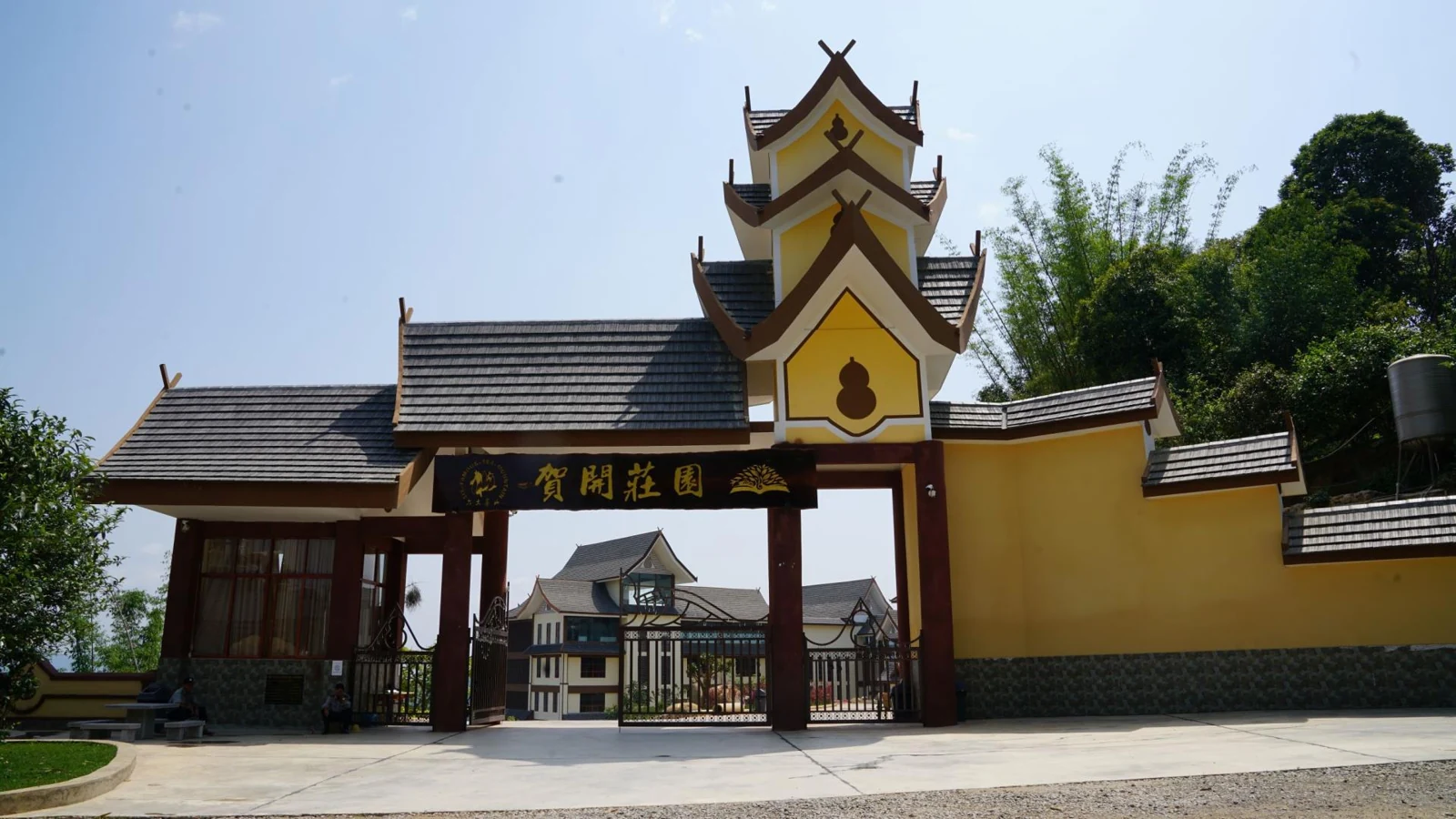
The Hekai estate introduction describes an estate in Menghai combining tea processing experiences with a pu-erh museum, archives, cultural displays and visitor accommodation. This adds tea culture and tourism to the company’s product story.
A specific catalog example: Ganzhi raw pu-erh
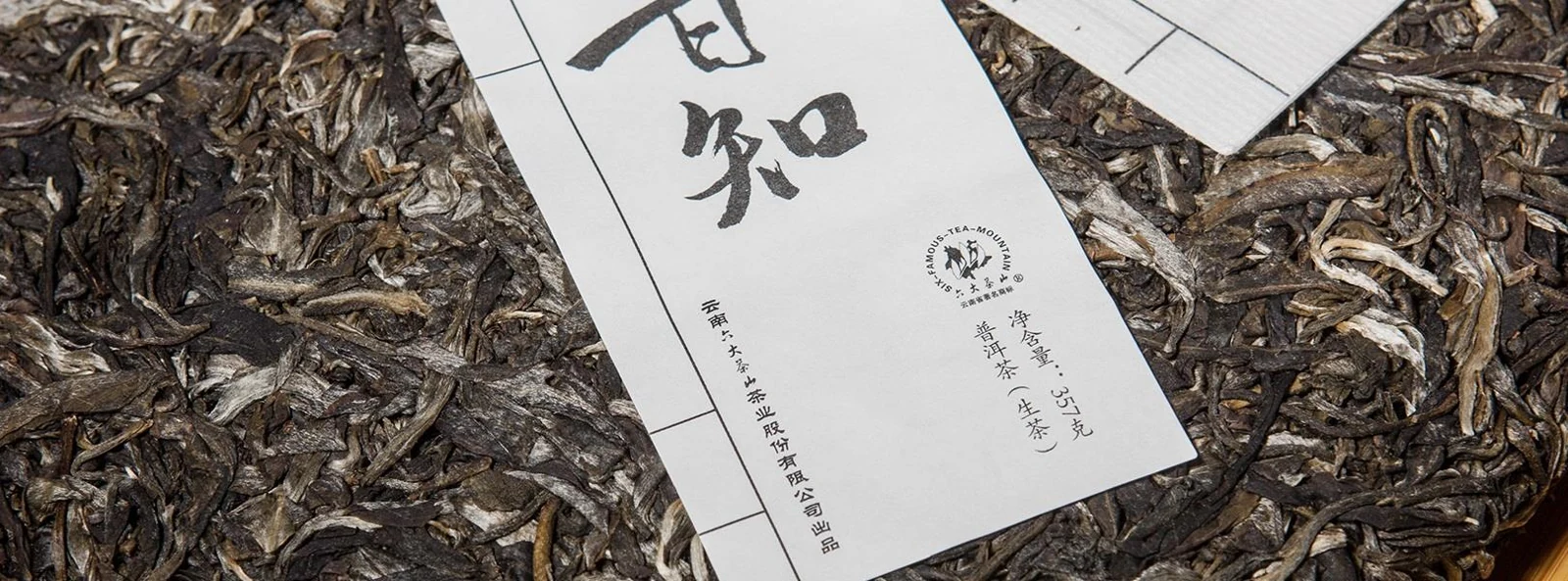
The official Sanwei Chaxin — Ganzhi page identifies a 2016 raw pu-erh cake, 357 g, within the Hekai Estate series. It is a useful example of how the catalog separates processing method, cake format, year and collection.
The Dianhong catalog provides a different comparison: black tea appears in several forms, including brick and cake presentations. A cake shape alone therefore does not identify a tea as pu-erh. Older catalog years are historical product references, not current availability guarantees.
What to compare before buying
Choose the tea category first, then look at the exact product, production information, packaging and storage history. For pu-erh, raw and ripe processing are key distinctions. For Dianhong, compare the specific tea and brewing directions rather than assuming that compression changes its category.
Official contacts
| Head-office address | 4th Floor, Building A, Weilong Plaza, 2 Yuanbei Lane, Jinxing Residential Area, Kunming, Yunnan, China |
|---|---|
| Telephone | +86 871 65718800 |
| Fax | +86 871 65737217 |
| liudachashan@163.com | |
| Contact page | Official contacts and sites |
Sources
Prepared on 28 October 2026 from the company overview, Hekai estate introduction, product collections, Ganzhi product page and official contacts linked above. Images come from the estate and product pages. This company profile does not imply a Sandao distribution agreement.