Ratgeber zu Tee und Teegeschirr
White Tea Types: Flavor, Leaf Material and Caffeine
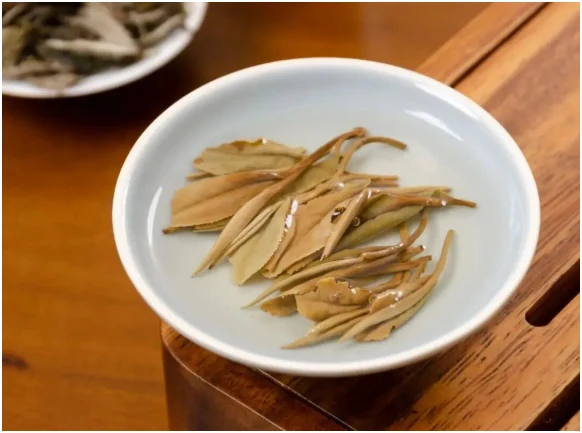
Silver Needle, White Peony and Shoumei begin with different balances of buds, leaves and stems. That helps explain differences in appearance and flavor, but it does not turn them into a menu of treatments for different illnesses. Start with what you enjoy drinking.
Material and extraction change the cup
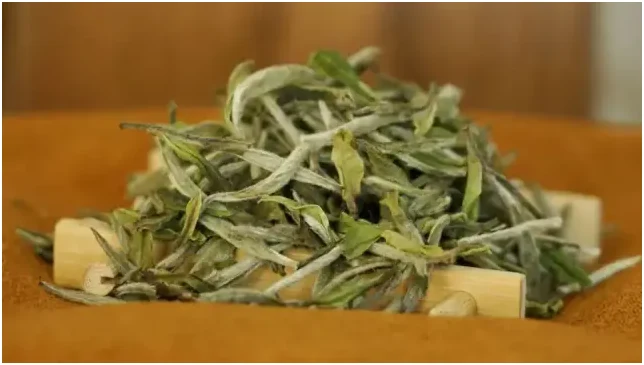
Bud-focused Silver Needle often offers a delicate, fresh impression. White Peony combines bud and leaf character, while leafy Shoumei can be fuller and more robust. These are starting descriptions rather than promises. Intact buds may wet slowly; broken leaves can release flavor rapidly. Equal spoonfuls are a poor comparison because the dry leaves occupy very different volumes.

White tea is not automatically low in caffeine
Tender buds can contain substantial caffeine, so Silver Needle is not a reliable low-caffeine choice. The drink’s caffeine also depends on leaf weight, water, time and repeat infusions. A chemical analysis of one group of teas cannot predict the exact caffeine in your mug. If sleep or palpitations are a concern, use a smaller serving, avoid late drinking and seek medical advice for persistent symptoms.

Composition is not a prescription
A 2016 study found different antioxidant activities among tested white tea infusions. Those were laboratory assays, not a trial showing that one type prevents aging or treats diabetes. Likewise, polysaccharide experiments in animals do not establish that a cup of Shoumei lowers blood glucose in people. Choose a clean, pleasant tea; do not change treatment on the strength of a tea ranking.


Sources and further reading
- Lü et al. (2016): Antioxidant activities and chemical components of white tea infusions
- FDA: Caffeine and individual sensitivity