Ratgeber zu Tee und Teegeschirr
Wuyi Rock Tea Aromas: Ten Ways to Explore the Fragrance
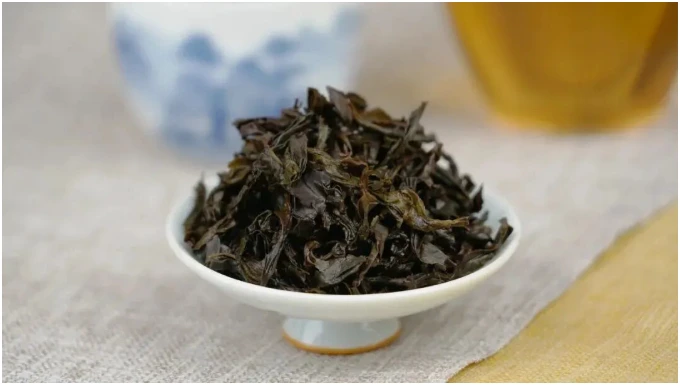
Aroma is one of the pleasures of Wuyi rock tea, but it is easy to mix up where a fragrance comes from and where we notice it. The following ten perspectives separate those questions. They are an informal tasting framework, not ten ingredients in the tea and not a standardized ranking system.
1–3: Site, cultivar and older-tree character
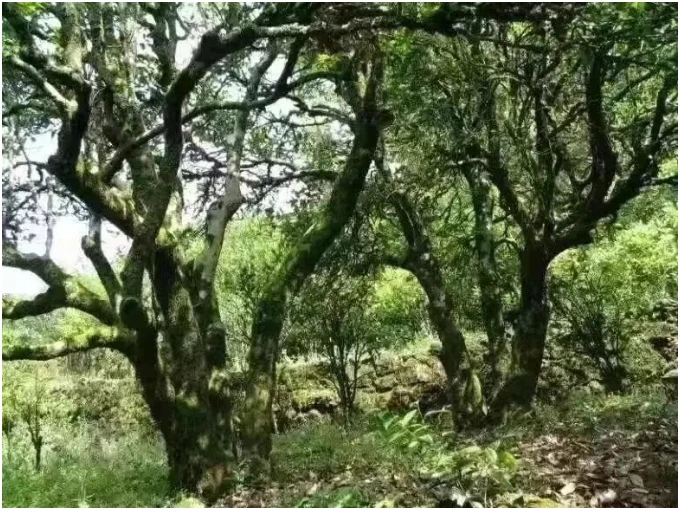
Site character refers to the influence of a growing environment. Cultivar character concerns the plant material: Rougui and Shuixian need not express the same profile. Older-tree character, often discussed as cong notes, may include woody or dried-leaf impressions. All three interact with manufacture, and none can be authenticated simply by recognizing one aroma.
4–5: Weather and processing
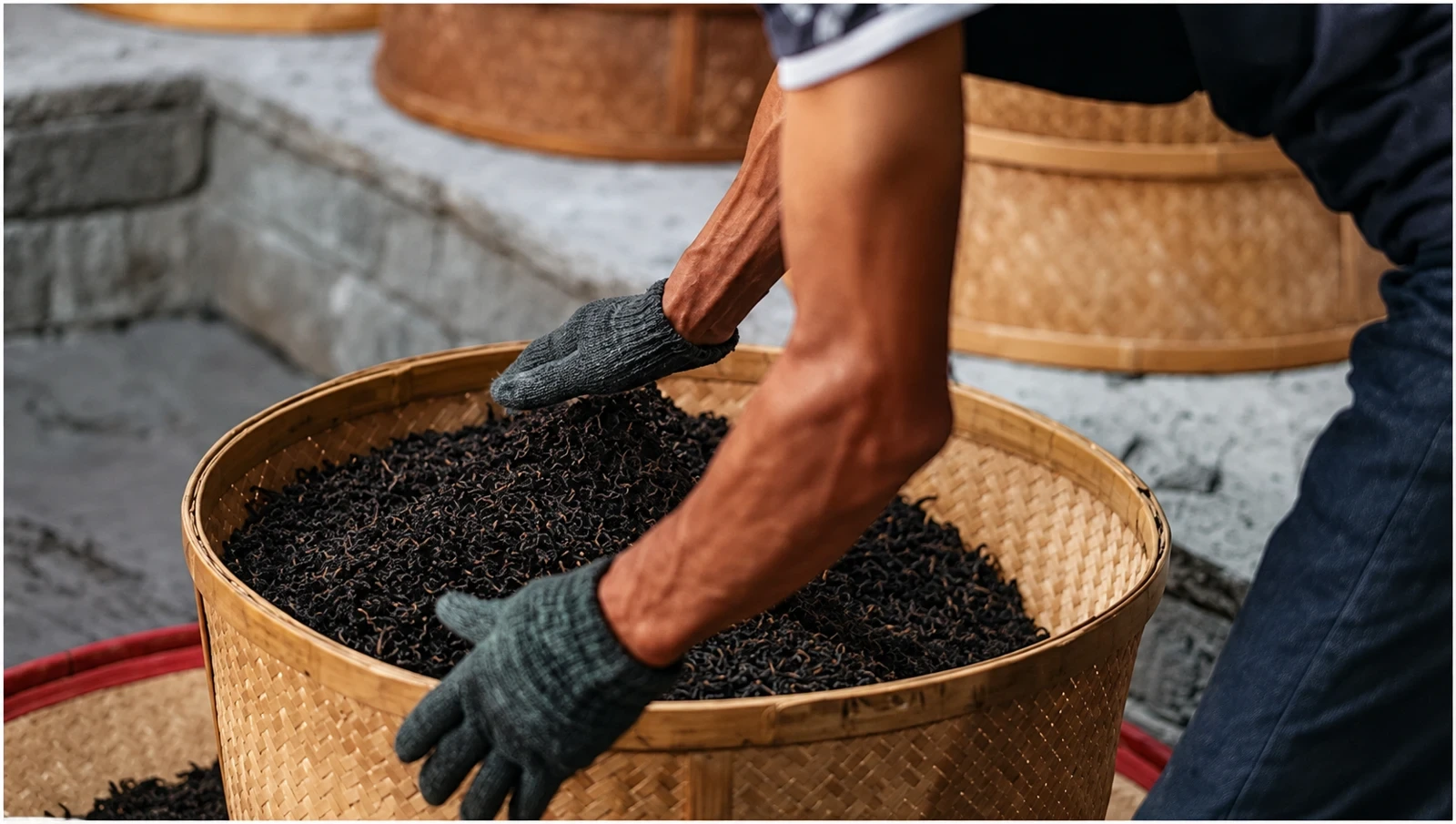
Weather during growth and harvest affects fresh leaves and the decisions a maker makes. Processing then transforms the material through withering, agitation, oxidation, drying and roasting. Floral, fruity and toasted impressions can be expressed differently as those choices change. The common saying “spring body, autumn aroma” is a broad tasting shorthand, not a rule for every rock tea.
6–7: Warmed dry leaves and the lid
First smell a small amount of dry tea in a warmed, dry gaiwan. Then brew it and smell the lid once it is comfortably warm rather than scorching hot. The lid can make volatile aromas easier to notice, but a dramatic first impression does not tell you how the liquor will taste or how the tea will develop over later infusions.
8–10: Aroma in the liquor, the empty cup and storage
Notice the aroma while sipping and after swallowing: this is often more revealing than the lid alone. Smell the emptied cup and cooled leaves for another view of persistence. Finally, consider storage: properly kept tea may develop aged notes, but there is no dependable schedule assigning a specific fragrance to every third, fifth or tenth year.
