Ratgeber zu Tee und Teegeschirr
Zhi Lan Xiang Dancong: Orchid Aroma with Depth
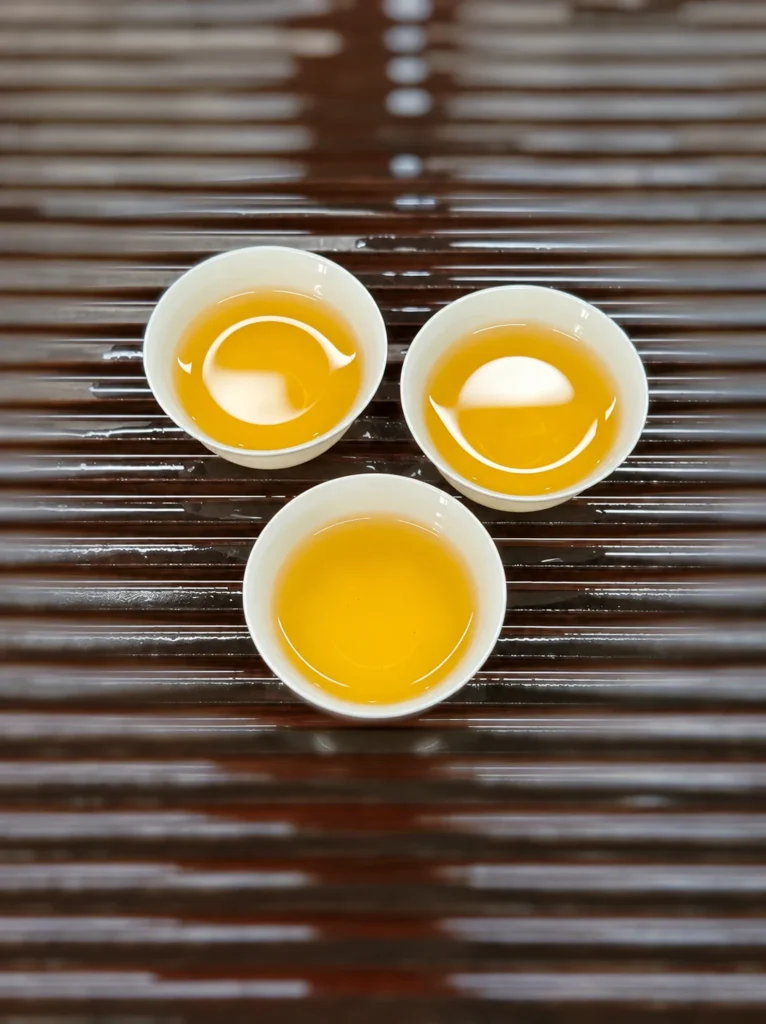
An orchid name, not an orchid ingredient
Zhi Lan Xiang is an orchid-like aromatic style within Phoenix Dancong oolong from Chaozhou, China. The name evokes the Chinese literary image of an orchid growing quietly in a secluded valley. In the cup, that image is a useful invitation to look for an elegant fragrance rather than simply the loudest one.
It is not necessary to identify one exact flower to enjoy the tea. Different leaves, roast levels and brewing choices can shift the balance from high floral notes toward honey, gentle wood and a fuller finish.
Good fragrance should carry into the cup
The source essay values a fragrance that feels natural, full and persistent. Its most useful point is that perfume alone is not the whole tea. Taste for a smooth body, a clean finish and sweetness that returns after swallowing.
Orchid-like fragrance can be delicate without being weak. Conversely, a highly concentrated first sniff does not establish quality. Judge the warmed leaves, lid, liquor and cooled empty cup together.
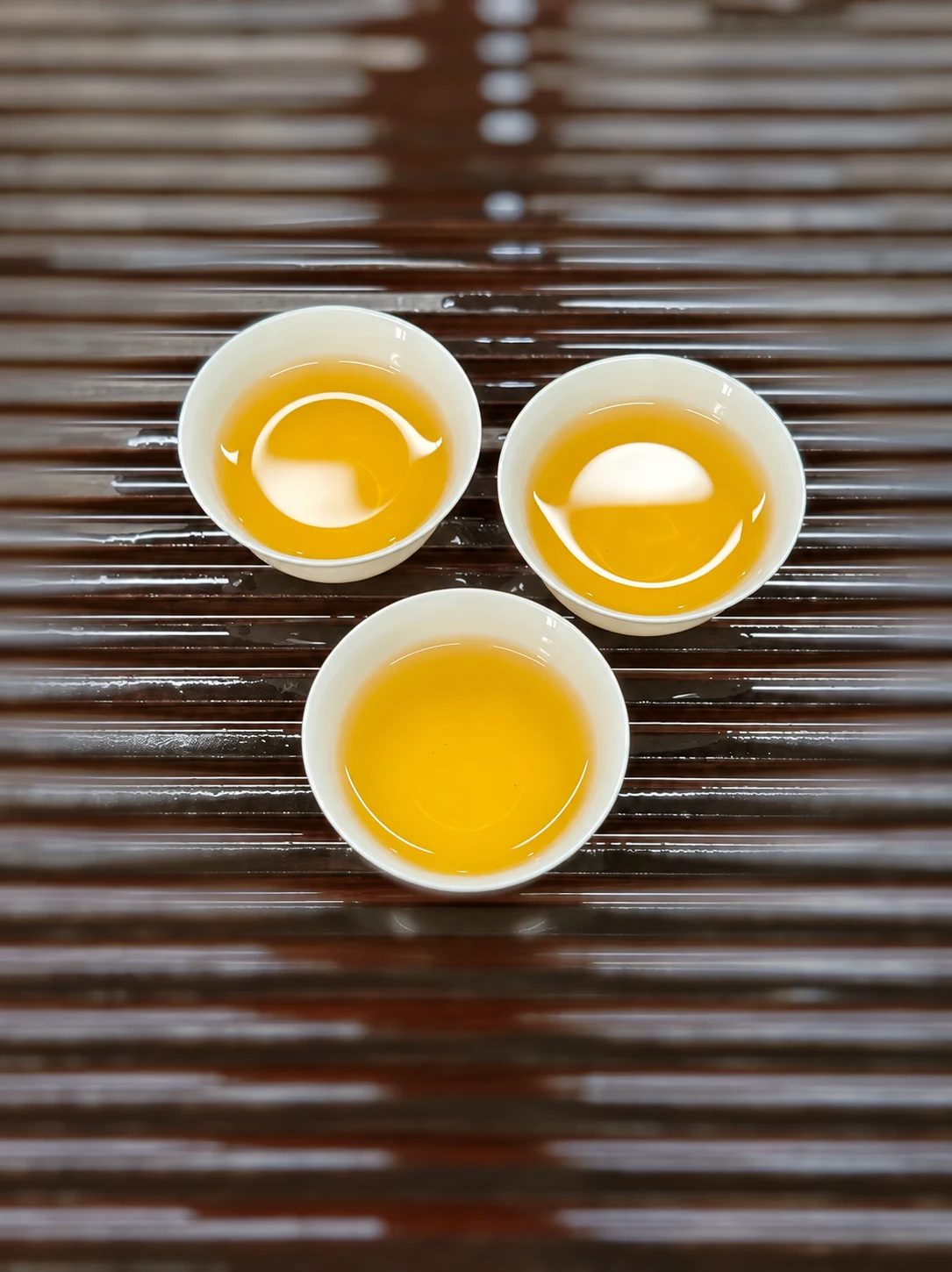
Taste it slowly, using repeatable brews
Try short, consistent infusions in a porcelain gaiwan. Use the first cups to find the floral opening, the middle cups to assess body and the later cups to check whether sweetness remains as the fragrance softens. If bitterness dominates, reduce the leaf quantity or shorten the steep before rejecting the tea.
Terms such as shan yun, or mountain character, belong to a tasting vocabulary. They can describe a coherent impression of aroma, texture and finish, but they cannot independently prove a mountain location, tree age or an expensive grade.
Who might enjoy it?
If Mi Lan Xiang is your familiar starting point and you want to explore another floral expression, Zhi Lan Xiang is a sensible next sample. Compare the two under similar conditions. Choose the one you want to drink again, rather than treating an aroma list as a ranking.