Guías de té y utensilios
Guanyang Bai Mu Dan White Tea: Aroma, Taste & Storage
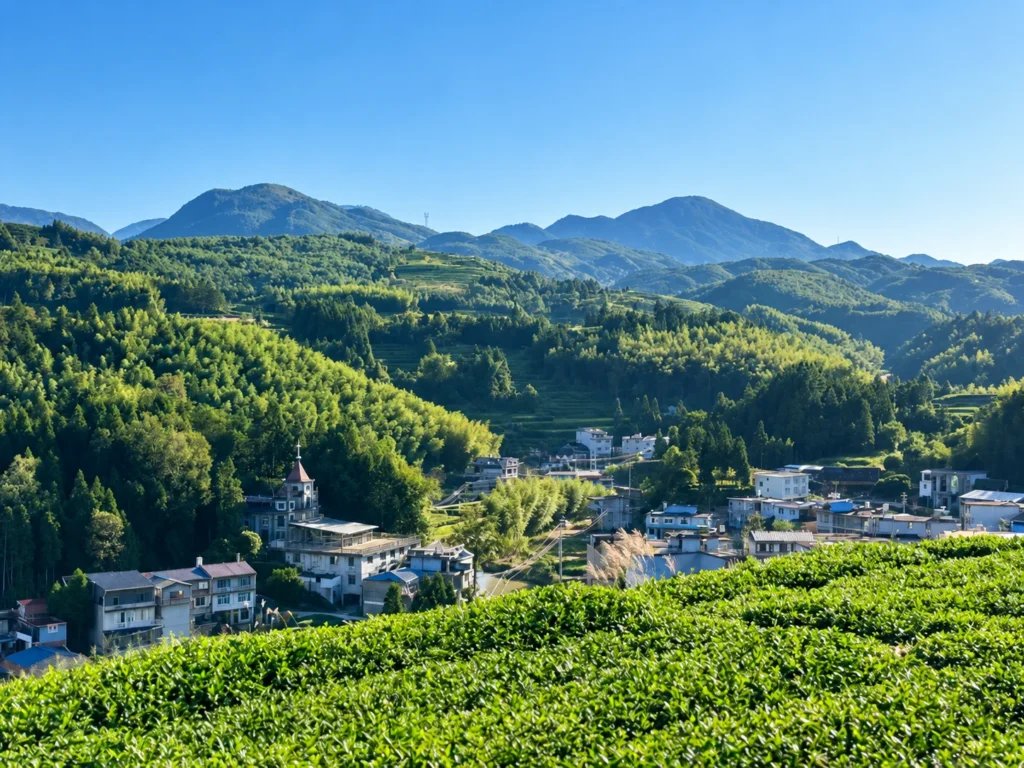
Bai Mu Dan, known in English as White Peony, is a white tea recognizable by its combination of silvery buds and open leaves. Guanyang, in Fuding, Fujian, is one of the place names you may encounter when exploring it. The useful question is what the actual tea offers in the cup—not whether an attractive harvest-year label guarantees quality.
This guide focuses on appearance, aroma, texture and practical storage. It does not certify the origin, grade or harvest date of the tea pictured.
What does Guanyang tell you?
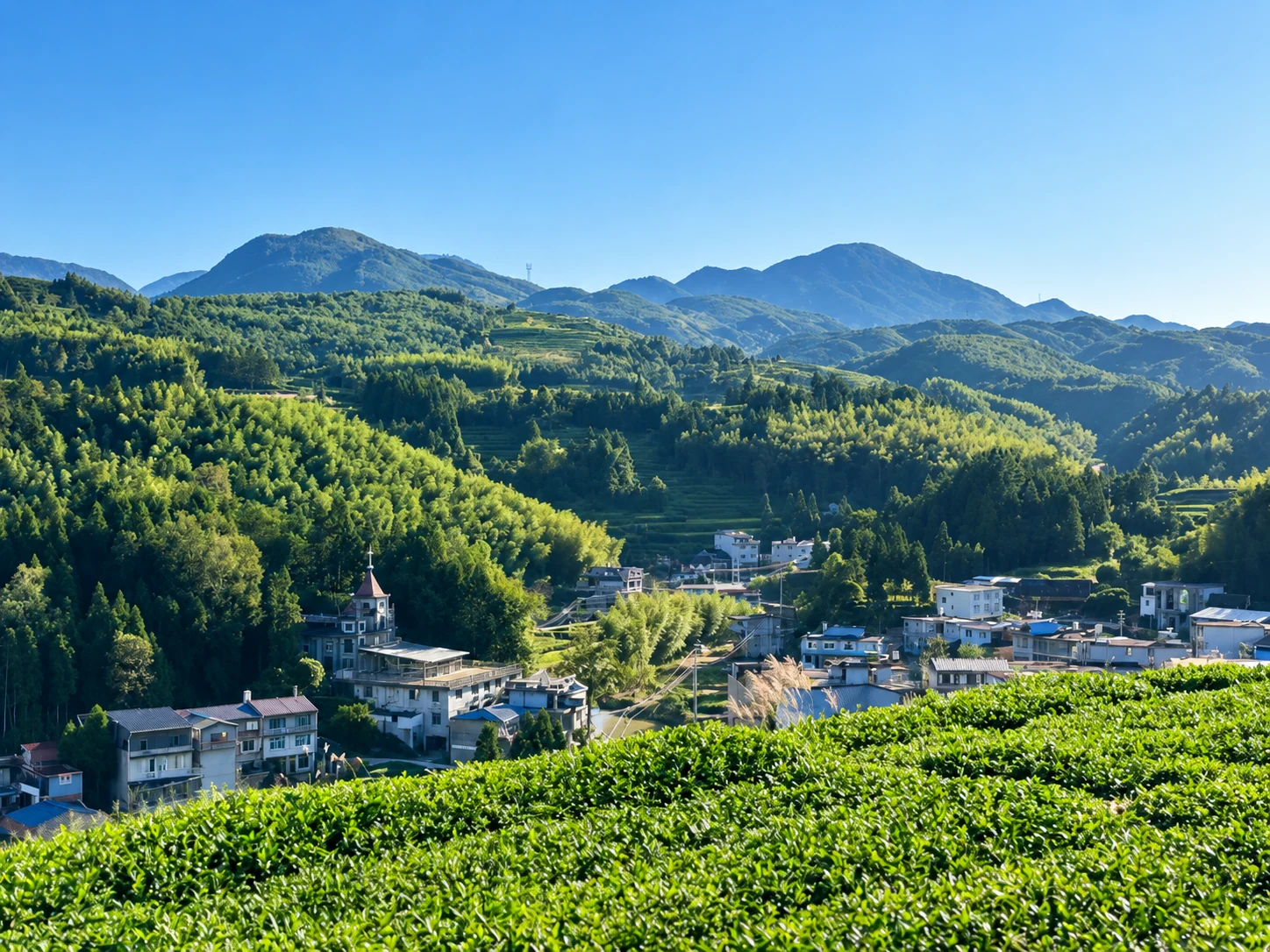
Guanyang points to a growing area within Fuding. Mountain scenery helps explain the setting, but it cannot establish a farm’s exact elevation, pesticide use or certification. Tea gardens in one area are not all identical.
When buying, ask for the producer, production date, ingredient information and identifiable batch. If a tea is described as sun-withered, organic or pre-Qingming, look for supporting information rather than assuming those claims follow from the place name.
Silvery buds, natural leaves and a floral impression
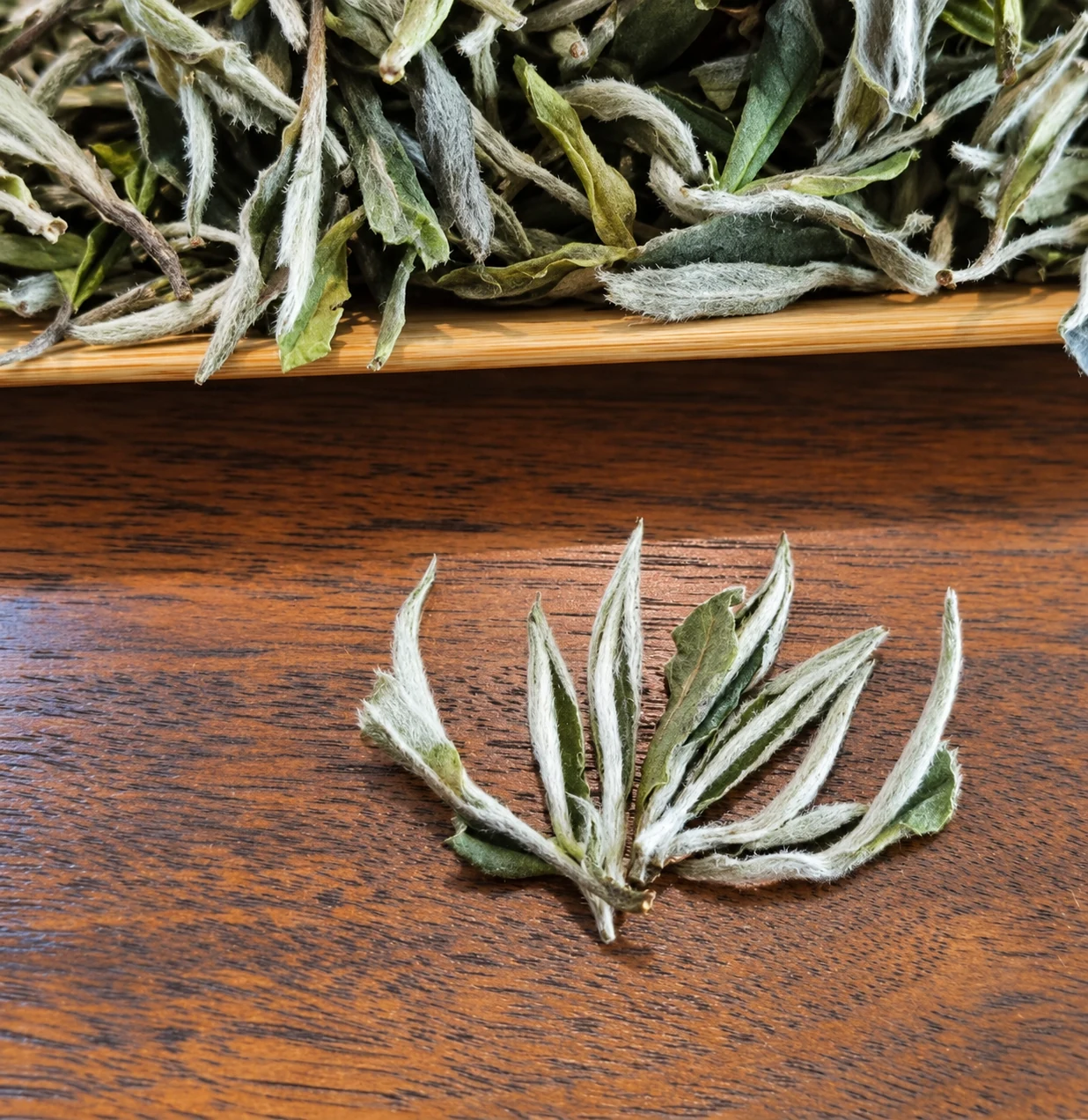
White Peony commonly combines a bud with one or two leaves, retaining a natural, connected appearance. Fine white hairs are visible on suitable tender material. They help explain the familiar language of “silvery buds,” but a photograph alone is not enough to assign a commercial grade.
A fresh example may suggest light flowers, a fresh-leaf character and a gentle sweet finish. “Hao xiang,” often translated as downy or pekoe aroma, is a traditional tasting term rather than a single standardized smell. Notice whether the fragrance is clean and whether it continues into the liquor.
Taste the tea before deciding to store it
Look for a comfortable balance of freshness, sweetness and body. A high-mountain label does not automatically prove a higher amino-acid content in the packet, and good white tea can still become astringent if brewed too strongly.
For a practical starting point, try about 3 grams in 150 milliliters of water at 90–95°C, roughly 194–203°F. Begin with a short infusion and adjust to the leaves and your preference. These are flexible brewing suggestions, not a test of authenticity.
Dry storage, realistic expectations
Keep fully dried tea sealed, away from moisture, strong odors, sunlight and heat. Minimize repeated exposure to humid air. Before storing a large amount, make sure you enjoy the tea now and can keep it in a suitable environment.
White tea changes over time, but a specific date, honey or medicinal aroma is not guaranteed. Aging is not a cure for weak raw material, poor processing or damp storage. A musty smell or visible mold is a reason to stop drinking the tea, not evidence of desirable maturity.
Choose White Peony for its present quality. Any future development should be a possibility to observe, not a promised return or health benefit.
Further reading: How to judge white tea quality