Guías de té y utensilios
How to Brew Liubao Tea: New Leaves and Aged Tea
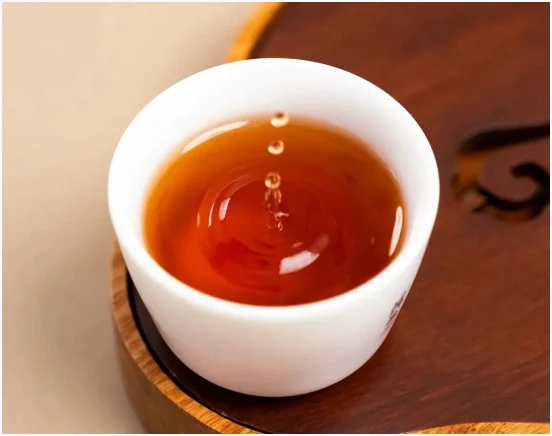
Liubao is a Chinese dark tea associated with Cangwu and Wuzhou in Guangxi. A fresh traditional-style tea may be lively and golden, while a well-stored modern-style tea can brew deeper red and feel rounder. Those differences matter more to brewing than an age printed on a tin. The familiar advice to use a gaiwan for younger tea and a clay pot for older tea is a useful starting point, rather than a rule that every batch must follow.
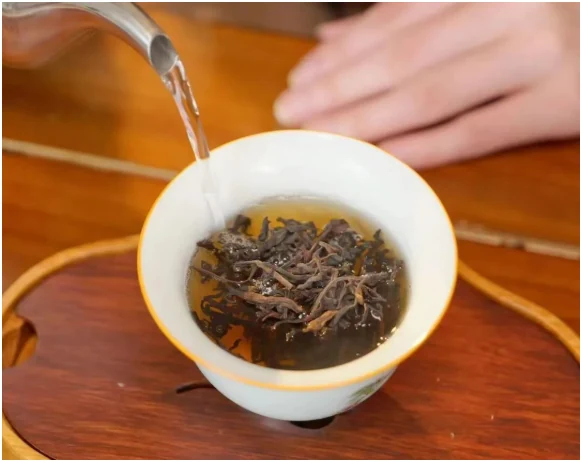
A gaiwan gives a clear view of younger tea
Porcelain or glass is useful when you want to assess aroma, bitterness and storage condition without a seasoned clay pot influencing the cup. Warm the vessel, weigh the leaves and measure usable water volume. For a relatively light brew, try about 3 g per 120 mL; for short gongfu infusions, around 5 g per 100–120 mL is another starting point. Use freshly boiled water for most robust modern-style Liubao, then adjust for the actual tea. A delicate bud-rich traditional batch may be more enjoyable with slightly cooler water.
If you rinse, keep it brief and discard that liquid. Start the first drinking infusion at roughly 10–20 seconds for the stronger gongfu ratio, and lengthen later infusions as the flavor fades. A rinse opens the leaves; it does not make a suspect tea safe.
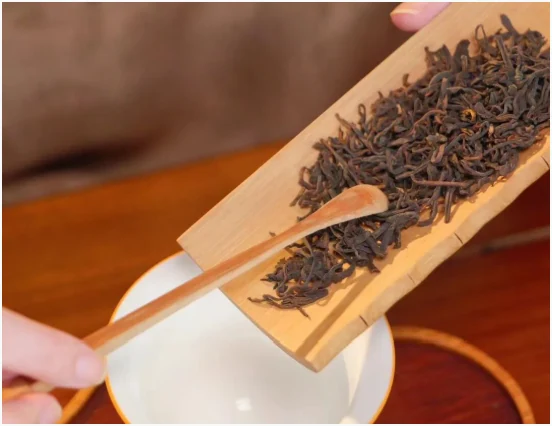
A clay pot can help keep an older tea warm
A small Yixing or Qinzhou Nixing pot can retain heat through successive short infusions. That can be helpful for a mellow, tightly compressed tea, but older tea does not automatically need a very heavy dose. Start with the same measured recipe you would use in a gaiwan and compare the result. Pour out fully after each infusion so the leaves do not continue steeping unnoticed.
A pot may soften the impression of an aroma; it should never be used to disguise mold, chemical odors or damp damage. Choose a clean, sound vessel and reserve any well-seasoned unglazed pot for compatible teas.

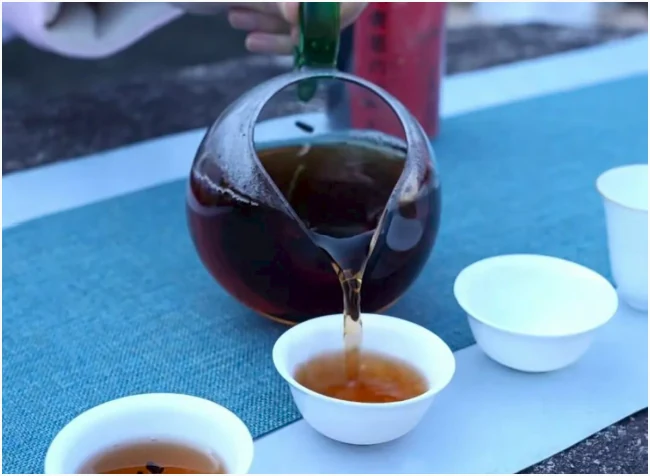
For a flask, use much less leaf
Long infusions need a lighter recipe. Try 2–3 g in a clean 500 mL heat-safe flask, using a product suitable for this method. Taste after about 15–30 minutes, then adjust the next batch rather than leaving a strong brew for hours. Glass-lined, stainless-steel and other food-safe flasks can all be practical when clean and intact; choose one whose manufacturer permits boiling water. Prepare fresh tea rather than treating a historical story about overnight tea as a food-safety guarantee.
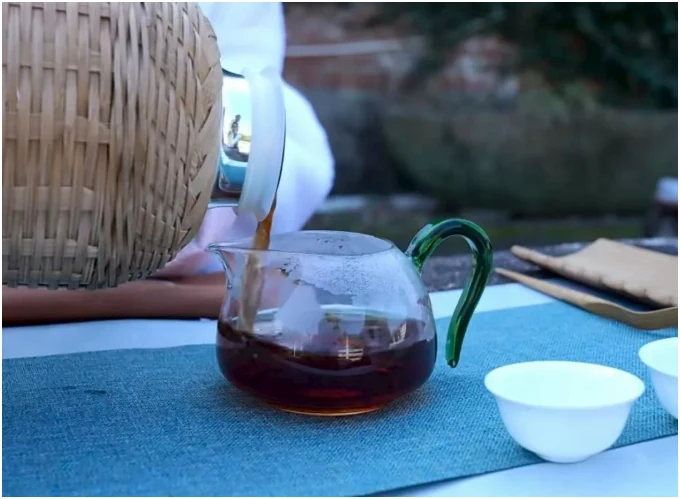
A gentle simmer is another option
You can briefly simmer leaves after several infusions, or start with a small amount of dry tea. For the latter, about 2–3 g per 500 mL is a restrained first attempt. Bring the water to a boil, reduce the heat and taste after a few minutes. Filter when the strength suits you. Keep the vessel attended and use only cookware approved for direct heating; an ordinary decorative teapot may not be safe on a stove.