Guías de té y utensilios
Why Tongmu Lapsang Souchong Tastes Distinctive

A Chinese black tea with a long history
Lapsang Souchong, known in China as Zhengshan Xiaozhong, has a longstanding association with Tongmu in the Wuyi Mountains of Fujian. Its place in black tea history helps explain its reputation, but the cup is more interesting than a simple ‘oldest tea’ slogan.
This guide focuses on what makes the style distinctive: the growing environment, the leaf and the craft. Precise origin dates and colorful stories about its arrival at European courts are not necessary to appreciate those differences.
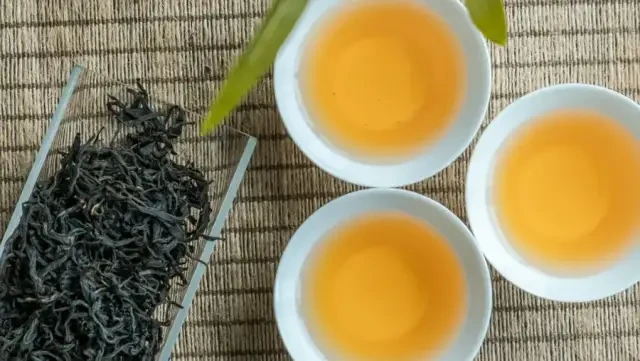
What the name tells you—and what it does not
The Wuyishan National Park account connects Zhengshan Xiaozhong with Tongmu and nearby areas sharing comparable mountain conditions and traditional making practices. In that usage, ‘zhengshan’ conveys the authentic mountain origin, while ‘xiaozhong’ is associated with the local small-leaf material and limited production setting.
Do not turn an unsourced radius on a map into a legal boundary. For a particular product, check the stated village, producer, processing description and any applicable certification. Taste and leaf appearance can support a discussion; they cannot replace documentation.
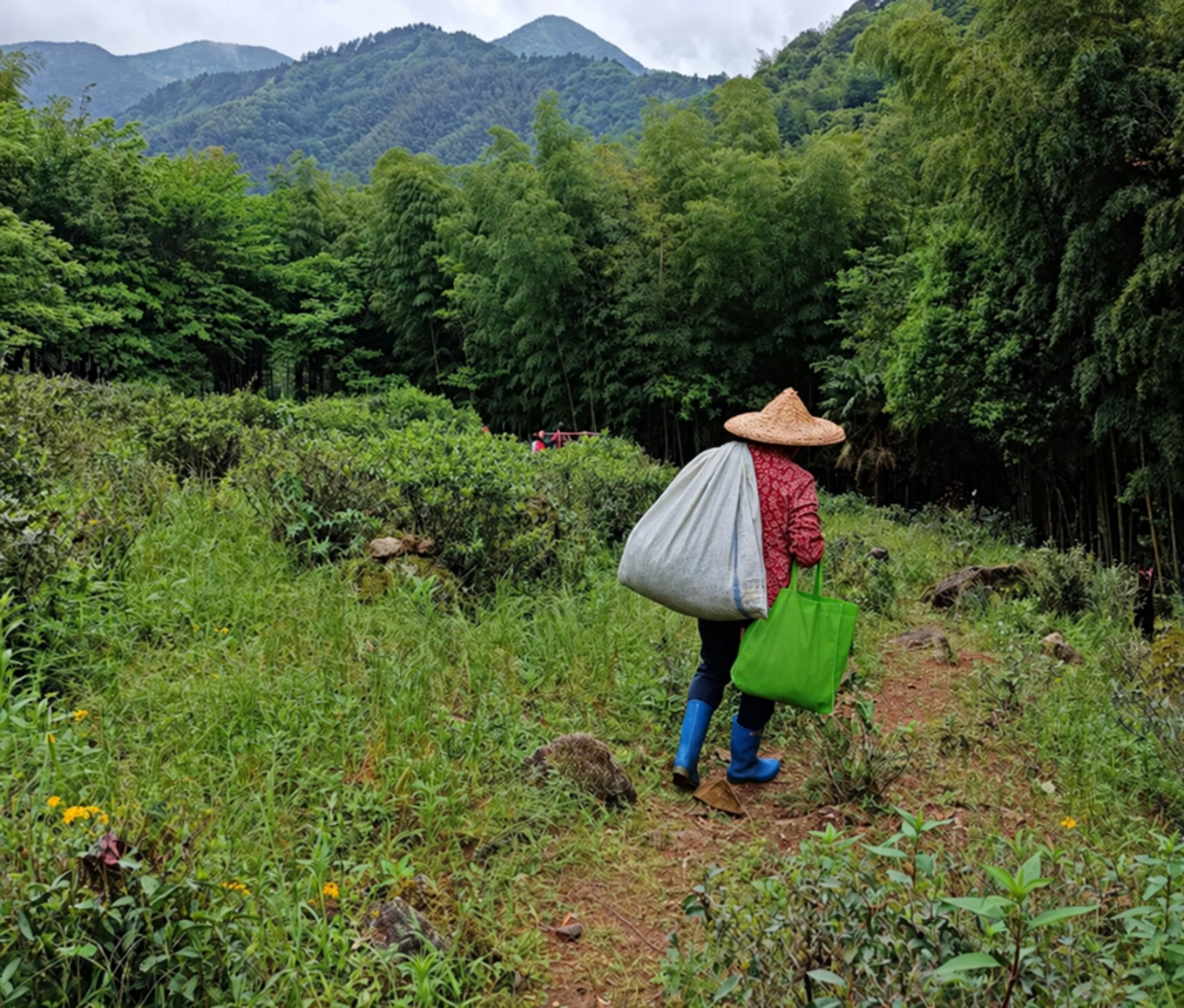
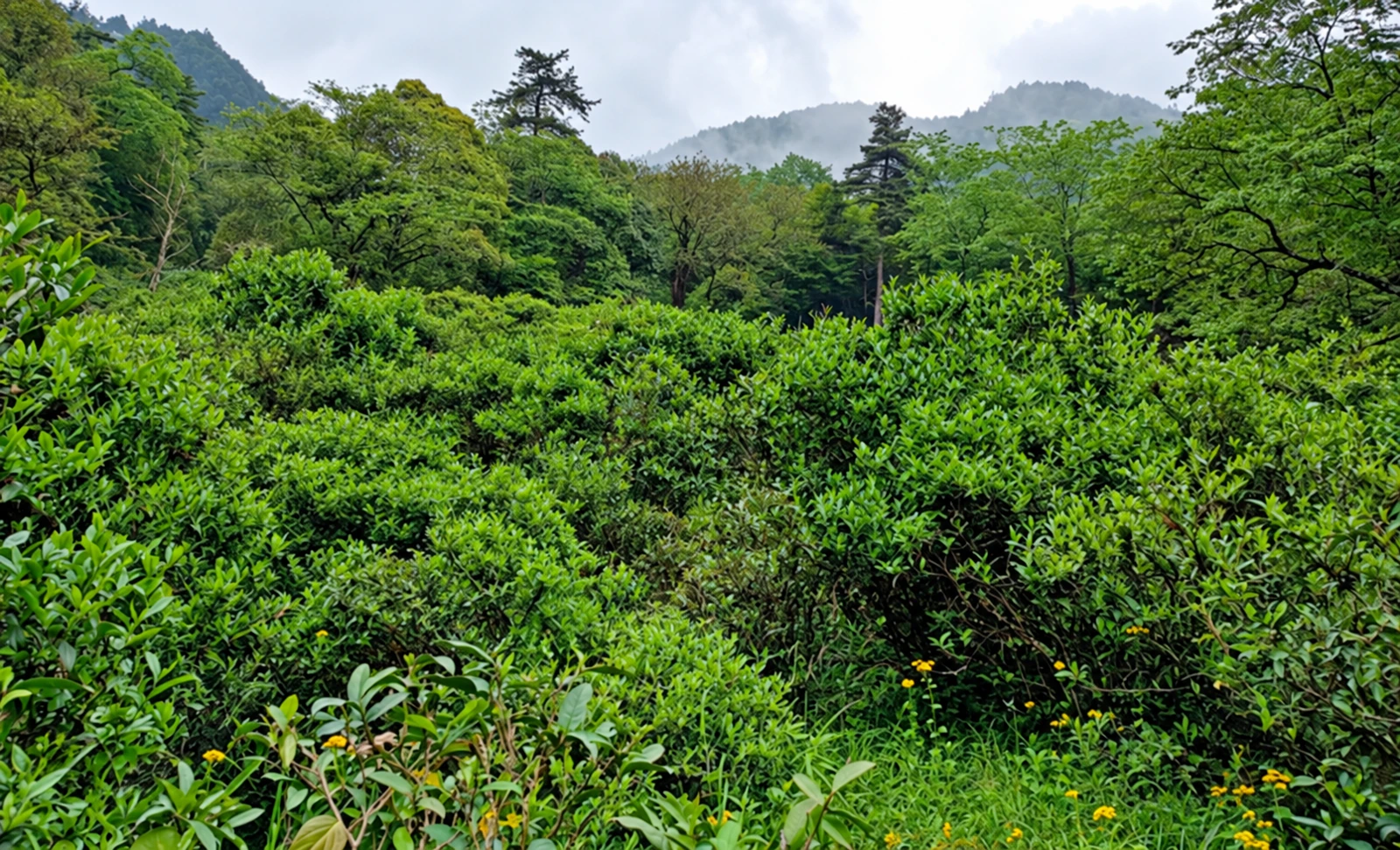
A wooded mountain setting
Tongmu’s reputation is closely linked to its mountain landscape: wooded surroundings, moisture and a climate shaped by elevation and local topography. Such conditions affect leaf growth, but variation exists between sites and seasons.
The source photographs show tea growing among trees and a worker moving through a wooded landscape. They help illustrate the setting; a photograph alone does not verify the origin of a retail batch or prove that a garden is unmanaged or organic.
Good material still needs careful making
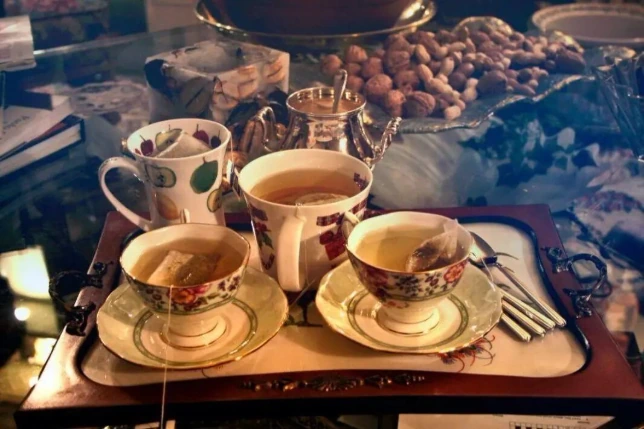
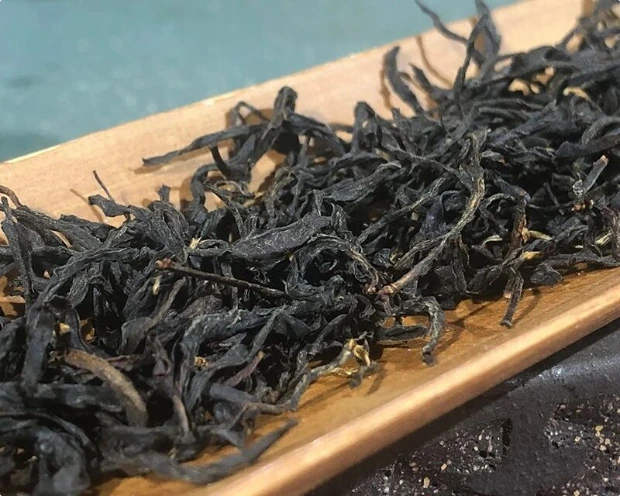
Withering, rolling, oxidation and drying determine how the leaf’s potential develops. The result may include floral, fruity, sweet or woody notes, a rounded texture and an orange-gold to amber infusion. There is no promise that every Tongmu tea will display all of these qualities.
Traditional smoked examples and unsmoked expressions deserve separate attention. Pine-smoke character is central to some Lapsang Souchong styles; other Chinese-market examples emphasize the leaf’s fruit and floral character. Lack of smoke is not, by itself, a sign of inauthenticity.

How to explore the style without chasing a slogan
Ask for a small sample and a clear description of origin and smoking style. Brew it beside a familiar black tea with the same water and comparable strength, then note aroma, mouthfeel and the finish over several infusions.
If you want a broader introduction, start with our existing Lapsang Souchong guide and the dedicated topic page. This article adds the landscape-and-craft perspective rather than treating every distinctive aroma as a proof of origin.
References for this editorial update
Related black tea guides
- Wild Black Tea vs Garden Tea: Is Wild Always Better?
- Spring, Summer or Autumn Black Tea: Which Is Better?
- Lapsang Souchong topic guide
Source attribution
Reprinted from Dong Cha Di (懂茶帝), an independent tea media publication. Edited and translated into English by Sandao; promotional material has been removed and research findings are presented within their limits.