Guides du thé et des objets à thé
Fuding White Tea Making: From Picking to Final Drying
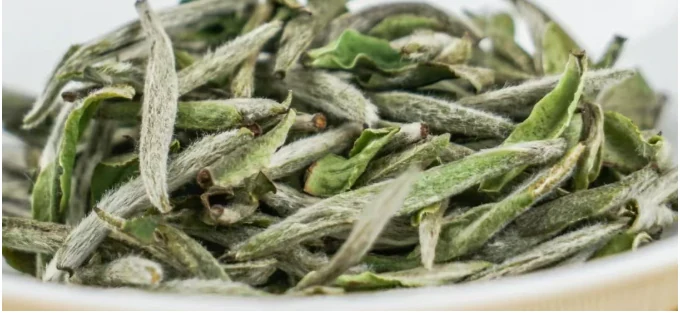
Traditional Fuding white tea production centers on withering and drying, but each stage contains decisions that shape the cup. It is a controlled craft, not simply leaving tea in the sun until it looks dry. Leaf quality and careful handling matter from the moment of picking.
Pick and sort for the intended product
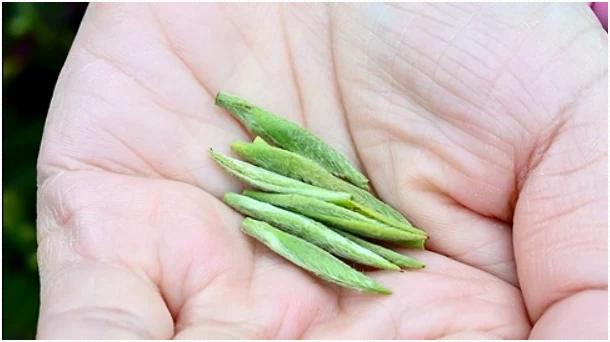
Bud-focused Silver Needle and bud-and-leaf White Peony call for different material. Makers consider leaf condition and weather and try to avoid unnecessary bruising. Fresh material is checked for foreign matter and unsuitable leaves. A claimed universal bud count per pound or one picking date cannot define every good white tea.
Spread and wither by observing the leaf
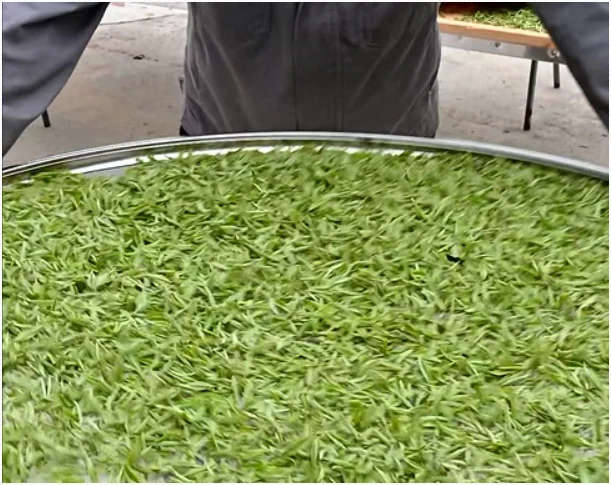
Trays allow the leaves to spread and lose moisture. Loading must fit leaf maturity, tray area, airflow and ambient conditions. Sun-assisted, indoor and combined methods may all be used. Makers adjust the setting as weather changes; a single fixed temperature, humidity or tray weight cannot replace observation. Withering changes chemistry as well as water content.

Balance moisture and finish drying
Some production routines include a resting or moisture-balancing stage before drying. This belongs within a managed process, not a suggestion to heap damp finished tea at home. Final drying reduces remaining moisture and develops the finished aroma and taste; equipment and settings must suit the material. After cooling and checking, sound packaging protects the tea from moisture and foreign odors. A good process leaves a tea worth drinking now, without needing exaggerated claims about future age or health.

Sources and further reading
- Chinese national standard: White tea, GB/T 22291-2017
- China Intangible Cultural Heritage: Fuding white tea making