Guides du thé et des objets à thé
Why Wuyi Rock Tea Prices Vary: Origin, Craft and Value
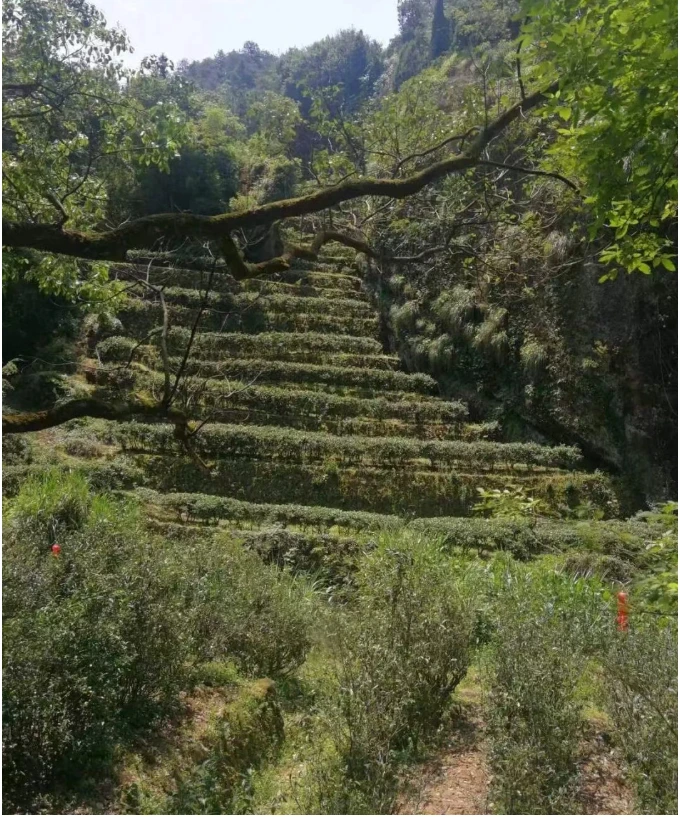
Two Wuyi rock teas can share the same cultivar name yet sell at very different prices. The explanation is rarely one factor. Origin, growing conditions, the amount made, skilled labor, roasting and the seller’s position all influence the price. A useful comparison starts with what is actually known about the tea, rather than the number on its label.
Why the growing site matters
Wuyishan’s rocky terrain creates many small growing environments. Soil, drainage, shade, airflow and moisture conditions can differ over short distances. Well-known cliff and ravine sites have limited planting space and established reputations. This can support a premium, but a regional name remains a claim that needs traceability; it is not a tasting result.

Zhengyan, banyan and river-valley descriptions
These trade terms describe different growing settings, traditionally distinguishing core rocky sites, surrounding transitional areas and river-valley ground. Boundaries and commercial usage need careful explanation from the seller. The terms help ask better questions about origin; they do not justify assuming that every core-area tea is excellent or every surrounding-area tea is poor.
Craftsmanship and small-batch costs
Harvesting steep sites, sorting leaves, managing withering and oxidation, and carrying out repeated roasting all require time and judgment. A small lot can cost more to make and distribute. The finished tea still needs to justify itself in the cup: a clean aroma, coherent roast and satisfying liquor matter more than a long list of labor-intensive steps.
How to compare value fairly
Compare the same cultivar, similar roast and a comparable harvest period. Ask whether the tea is a single lot or a blend, and request its specific origin and producer. Start with samples and keep the brewing conditions consistent. A celebrated site may be worth exploring, while a well-made tea from a less famous area can offer very good everyday value.
