चाय और चाय के बर्तनों के मार्गदर्शक
Vintage Pu-erh Auctions: Famous Teas and How to Read Prices
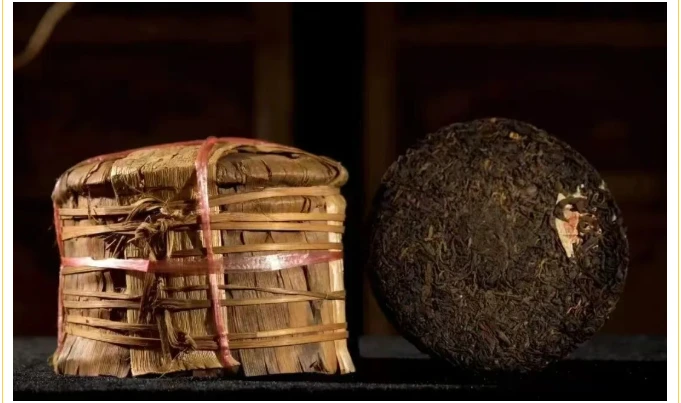
Vintage Pu-erh auctions bring together tea history, provenance and the preferences of collectors. Names such as 88 Qing Bing, Jingchang, Tongqing, Songpin and Fuyuanchang often appear in accounts of important sales. A high auction result, however, describes one documented lot at one event. It is not a current retail quotation for every tea bearing that name.
The names do not identify identical objects
88 Qing Bing is a market name associated with particular older 7542 cakes, while the older tea-house names belong to different production and trading histories. Wrappers, inner tickets, condition and storage all influence how a lot is described. A recipe number or a familiar printed name is not, by itself, a precise production date or an authenticity certificate.
One verified historical result
Tokyo Chuo’s own report on its May 2019 Hong Kong sale records a tube of 1920 purple-ticket Fuyuanchang at HK$26,320,000. This is a historical result reported by the auction house. It should not be presented as a newly achieved record or a definitive ranking of today’s entire market. The lot description and date are essential parts of the number.
Four details to check before comparing prices
First, distinguish an estimate from a result. Second, check whether a quoted figure is the hammer price or a total including the buyer’s premium. Third, confirm the currency and whether the lot contains a single cake, a tube or several tubes. Finally, inspect provenance and condition. Simple price-per-cake division misses differences between intact original groups and separated pieces.
What collectors’ results mean for everyday drinkers
Auction records are useful historical references, especially when they identify the exact object and its documentary trail. They do not guarantee a drinking experience or a future resale value. For tea intended to drink, condition, trustworthy sourcing and a representative sample remain more useful than an impressive comparison with a celebrated auction lot.