चाय और चाय के बर्तनों के मार्गदर्शक
Green Tea Roasting: Chestnut Aroma or Overfired Flavor?

A chestnut-like aroma can be inviting; an intense scorched smell is a different experience. Green tea drying does more than remove water: heat helps shape aroma and changes compounds involved in color and taste. The goal is a balanced finished tea, rather than maximum heat or maximum scent.
What the source’s comparison described
The supplied article discusses two lots of material processed into fresh-green, chestnut, high-fired and scorched styles. Tasters preferred the fresh-green and chestnut examples to the excessively fired ones. That is useful process evidence within the comparison, not an official hierarchy assigning every chestnut-scented tea a higher grade than every floral tea.

Heat changes more than the nose
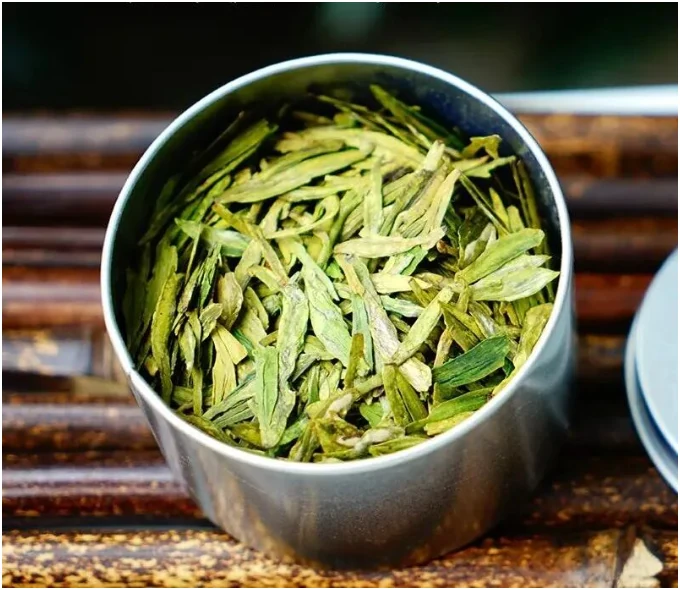
Moderate heating can develop a warm nutty impression. Excessive heat can dull fresh notes, alter amino acids and pigments, and leave a harsh or thin cup. Changes in a laboratory concentration need to be read alongside water content, process conditions and sensory results. A single chemical value does not determine the whole tea’s quality.
Taste for integration rather than volume
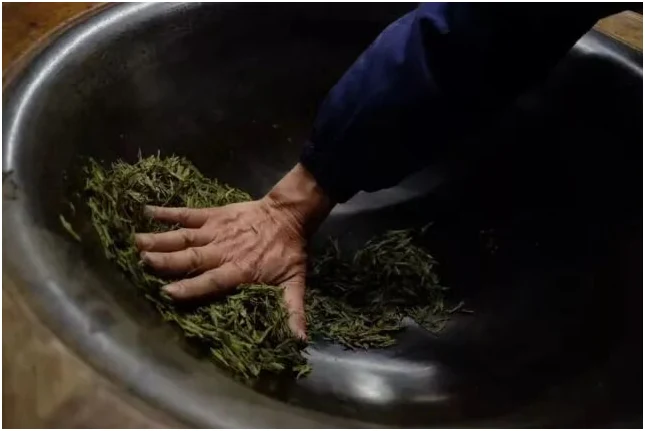
Smell the warm dry leaf, then taste a controlled infusion after it cools slightly. Does the roast work with sweetness and texture, or cover the leaf’s character? Clean roasted notes differ from smoke, burnt bitterness and musty storage odors. Compare with similar tea rather than treating a darker color or louder scent as an automatic improvement.