चाय और चाय के बर्तनों के मार्गदर्शक
Four Aged White Tea Myths Worth Leaving Behind
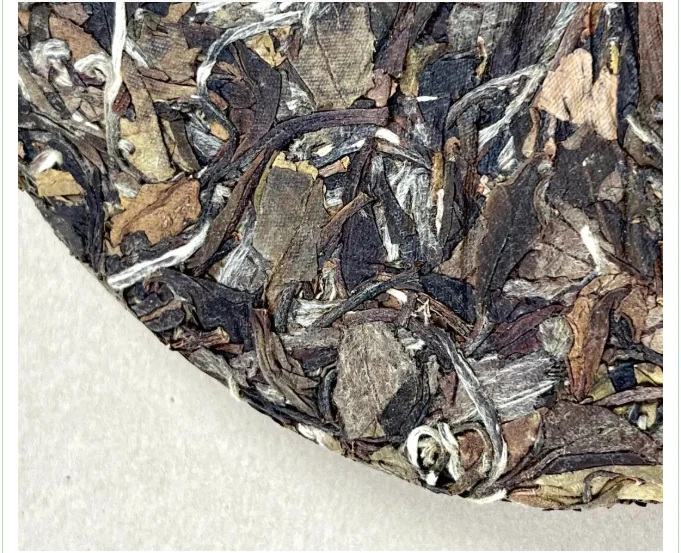
1. Old white tea must be a cake
Loose tea can age too. Compression changes handling and can affect flavor, but it is not a certificate of age. A cake may have been pressed soon after harvest or much later from stored loose material. Ask for both harvest and pressing information rather than assuming one date describes everything.
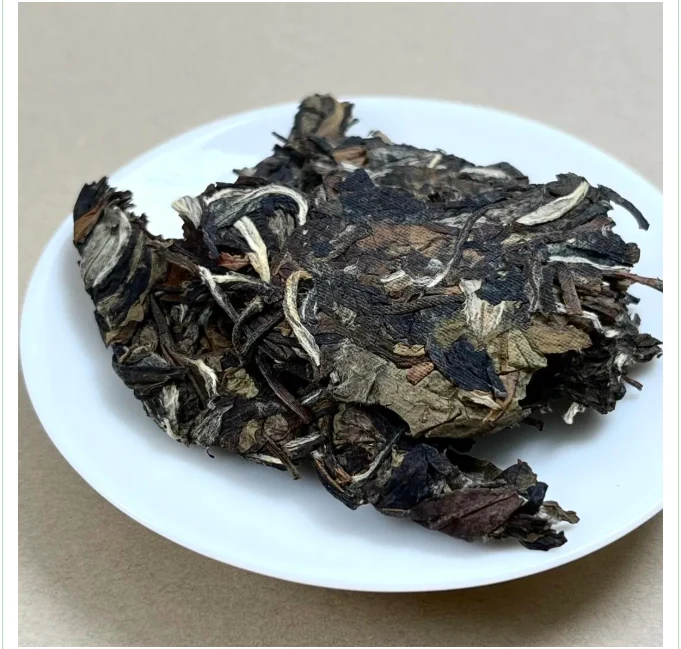
2. Darker leaves must mean older tea
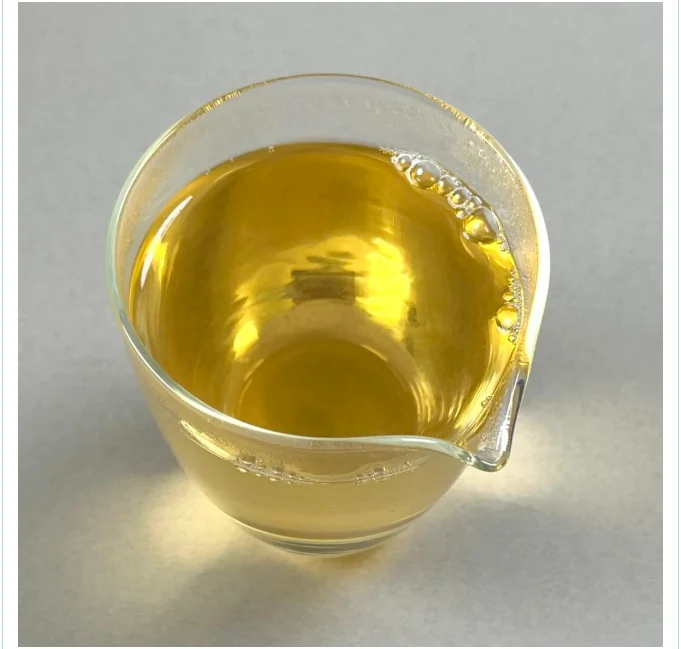
Color changes with leaf maturity, processing, storage and age. Some old teas retain varied tones, while younger teas may already be dark. Neither a black-looking leaf nor an especially clear liquor settles authenticity. Use color to describe a sample and notice change, not to calculate its birthday or declare fraud from a photograph.

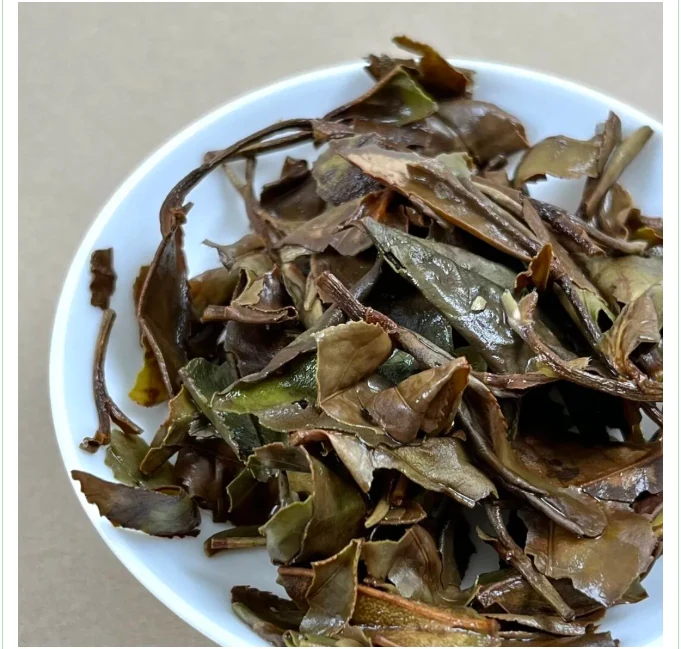
3. Every old tea must develop medicinal aroma
Herbal or woody notes can be enjoyable, but not every well-stored white tea develops them in the same way. Original material and storage conditions matter. A missing medicinal note does not prove youth, and a strong one does not prove a therapeutic effect. Moldy or musty odors are not desirable aged character.
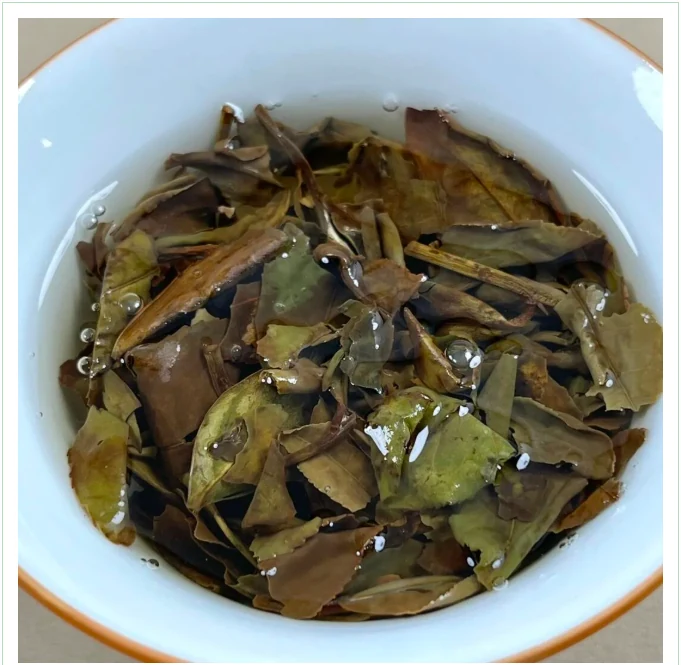
4. More years always mean better tea
Age cannot repair poor raw material, poor manufacture or moisture damage. Nor does a high mountain, old bush or wild-grown claim guarantee better aging. Keep a small documented lot, store it carefully and taste sound samples periodically. If you already prefer its current flavor, there is no obligation to wait for a bigger number on the label. Buy older tea for verified quality and a cup you enjoy, not age alone.

