Tea & Teaware Guides
Aged White Tea’s Medicinal Aroma: Scent or Medicine?

Medicinal aroma is a tasting expression. In an aged white tea, it may describe a clean herbal, woody or root-like impression. It does not mean the tea contains a prescribed herbal formula, and smelling like dried herbs does not make the drink a medicine.
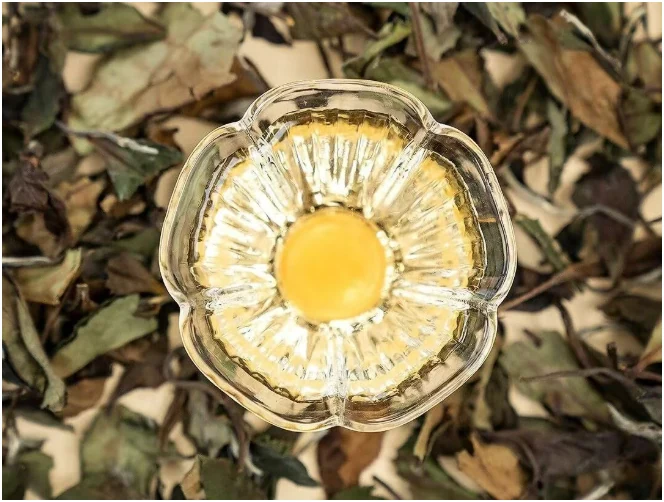
Storage changes a mixture, not just one molecule
Fresh white tea may emphasize floral, fresh or lightly sweet notes. During storage, the relative balance of volatile compounds can change, bringing woody or dried-fruit impressions forward. The result depends on original material, drying, packaging and storage, not a fixed birthday. There is no dependable rule that every tea develops one named aroma after exactly three or seven years.


Do not confuse pleasant age with spoilage
A desirable aged aroma should remain clean and coherent. Musty, damp or otherwise suspect tea should not be defended as a medicinal treasure. Aroma alone cannot establish safety, however, and a pleasant smell cannot validate an undocumented storage history. If mold is suspected, stop using the tea instead of boiling it harder or trying to disguise the odor.
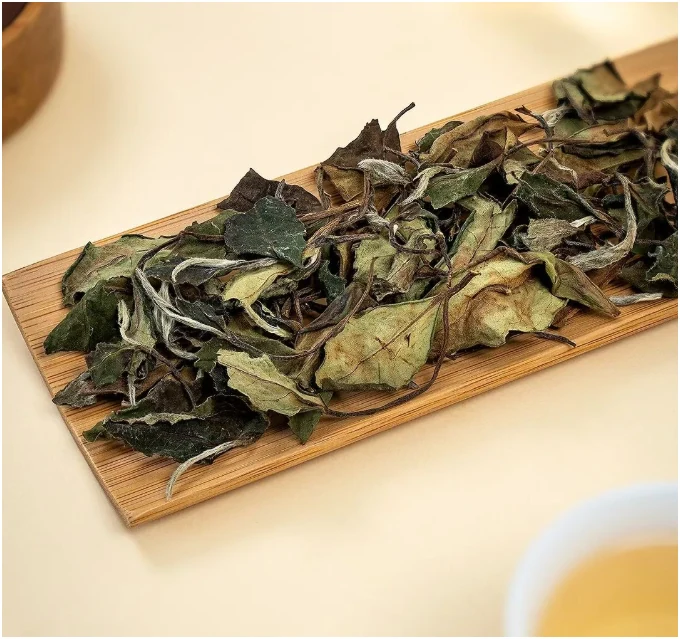
Treat the proverb as culture
The familiar saying about tea becoming medicine after three years expresses a tradition of valuing aged white tea. Chemical, cell or animal studies do not prove that the brewed drink treats measles, colds, diabetes or other illness. Nor can results from concentrated extracts or cosmetics be transferred directly to a teacup. Enjoy the aroma and the cultural story, while keeping healthcare decisions with qualified professionals.

Sources and further reading
- Lü et al. (2016): Antioxidant activities and chemical components of white tea infusions
- FDA: Caffeine and individual sensitivity