चाय और चाय के बर्तनों के मार्गदर्शक
Buying Aged White Tea: How to Check an Age Claim

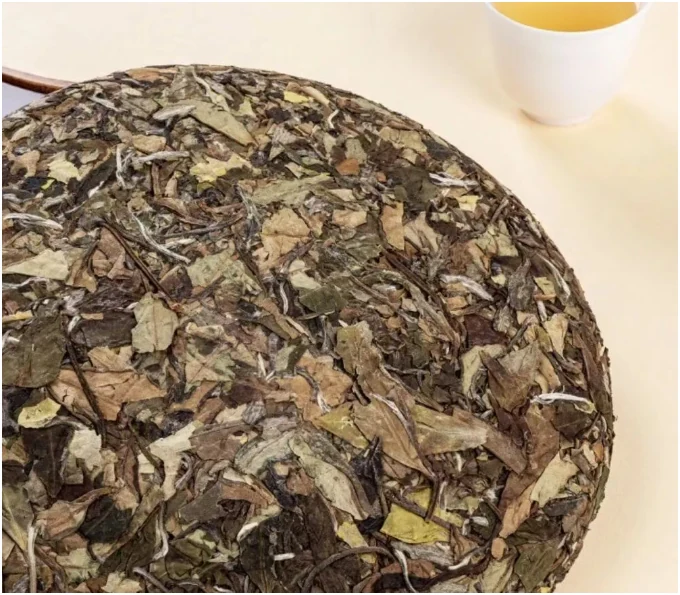
An aged white tea premium should come with more than a dark cake and a confident story. Processing and storage can both deepen color or change aroma. Neither feature gives a dependable reading of harvest year, and a photograph cannot settle whether a tea was aged honestly.
Different processing is not automatically fraud
Rolling, heat treatment and different moisture conditions can create darker or more mellow styles. A clearly described modified-process white tea is a different proposition from a young tea sold as a decade-old harvest. Likewise, blending is not inherently deceptive; the problem is presenting a mixed cake as something it is not. Avoid blanket accusations based on one appearance.
Ask for a traceable chain
Ask separately for the harvest year, pressing date, producer, batch and storage history. Old loose tea can be pressed much later, so a wrapper date needs explanation. Request photographs of the actual lot and a small sample from more than the decorative surface. Keep the invoice and written description, particularly for an expensive purchase.
Taste can screen quality, not certify a birthday
Clean aroma and a pleasant liquor are sensible purchase requirements. Mustiness, unexplained sourness or damp packaging are reasons to stop and investigate, rather than evidence of desirable age. Do not taste tea suspected of mold. There is no universal liquor-color, leaf-color or medicinal-aroma test that authenticates the year. If records are weak, consider a modest sample or a younger documented tea instead of paying for an unverifiable story.