चाय और चाय के बर्तनों के मार्गदर्शक
How to Store Liubao Tea at Home: New and Aged Lots
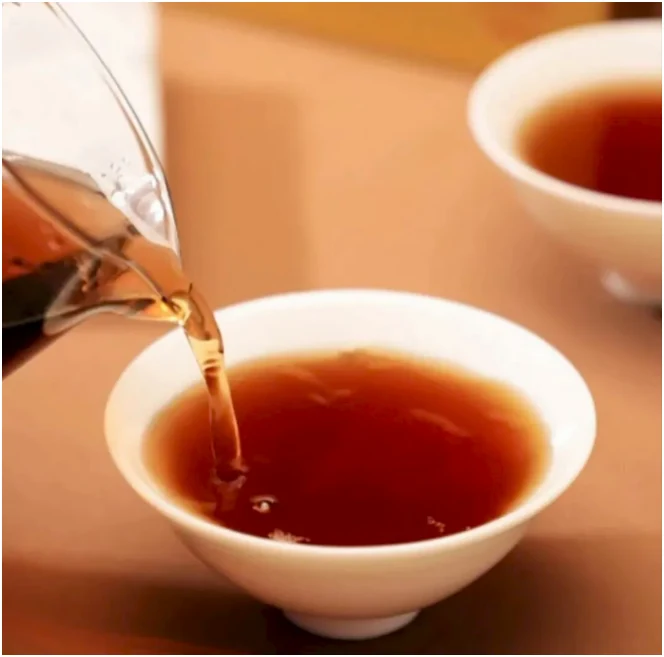
Liubao storage is not a matter of putting a tea away and counting the years. A new wet-piled lot, a clean tea partway through maturation and an older tea you already enjoy may need different handling. They share the same essentials: keep the tea dry enough for safe storage, protect it from odors and contamination, and inspect it periodically. The producer’s storage instructions should take precedence over a generic internet recipe.
New tea should arrive properly dried
A processing aroma may gradually settle in an otherwise sound tea. That is different from a damp product that still needs drying, or a tea carrying an unexplained musty smell. Do not try to finish a manufacturer’s drying or fermentation work at home. If the producer recommends a short rest before drinking, keep the tea in clean, suitable packaging and ask what condition or change you should expect.
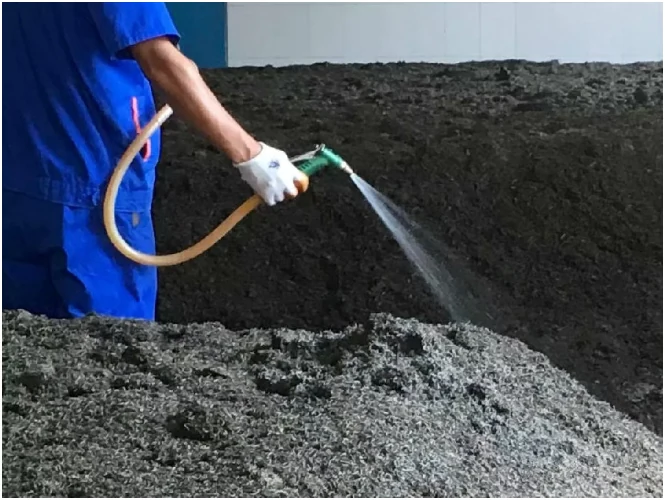
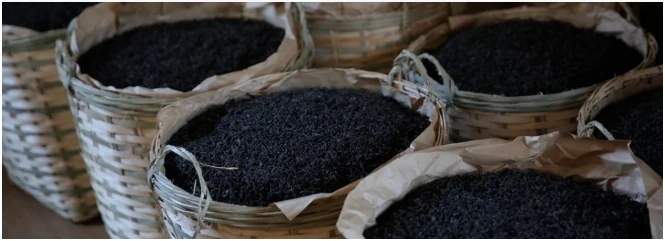
During maturation, keep a stable routine
For a batch that is clean and dry, preserve the original food-safe wrapping where practical and place it in an odor-free outer container. Bamboo baskets, paper and ceramic containers have different moisture behavior; none automatically makes a damp room safe. Keep the tea off floors and away from exterior walls, sunlight, heaters and fragrance products. Check for packaging damage and changes in smell or texture, especially after a humid spell.
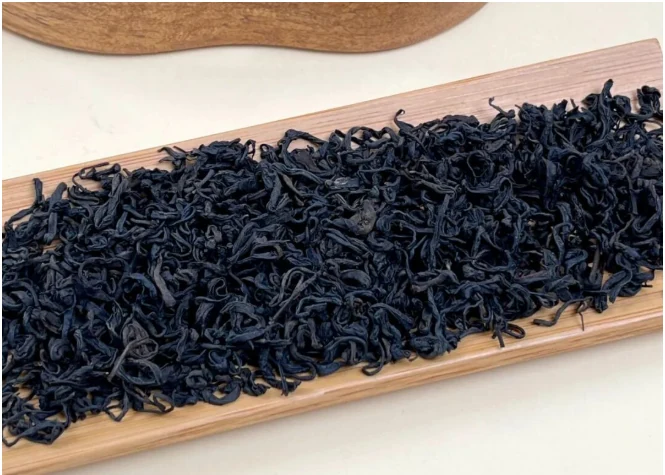
An older tea can be protected from further change
If a tea has reached a flavor you enjoy, reducing repeated exposure to air and odors can help preserve it. Use a clean, dry container and remove a small drinking portion rather than opening the full collection every day. More airtight storage is sensible only after the tea and its packaging are dry; sealing in moisture is a different problem. Age alone does not mean that a tea needs a porous pot or continuous ventilation.
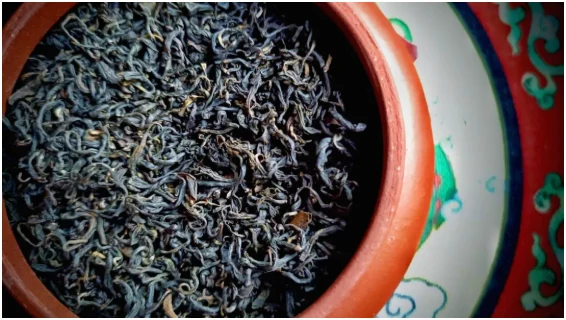
Airing has limits
A brief rest of a small portion may change the aroma of a sound compressed tea. It does not prove that contamination has disappeared. Stop using tea showing visible mold, damp damage or an unexplained odor, and contact the seller rather than tasting it to identify a problem. Avoid household high-humidity aging schemes, forced heating or spraying: a faster color change is not a reliable measure of good maturation.