चाय और चाय के बर्तनों के मार्गदर्शक
Seven Liubao Tea Aromas: A Practical Tasting Guide

Liubao’s aromas are a good reason to slow down over a cup. Leaf maturity, processing and storage can produce quite different impressions, and more than one may appear in the same tea. Seven familiar descriptions help organize those impressions. They are a tasting vocabulary, rather than seven official grades or proof that a named ingredient has been added.
1. Betel-nut-like aroma
Binglang xiang is often translated as betel-nut-like aroma, one of Liubao’s best-known descriptions. It refers to a sensory resemblance, not the addition of areca nut. Variety, manufacture and maturation may all contribute. Some traditional discussions connect it with transformed smoky notes, but smoke is not a required ingredient and an arbitrary storage period cannot guarantee the aroma.
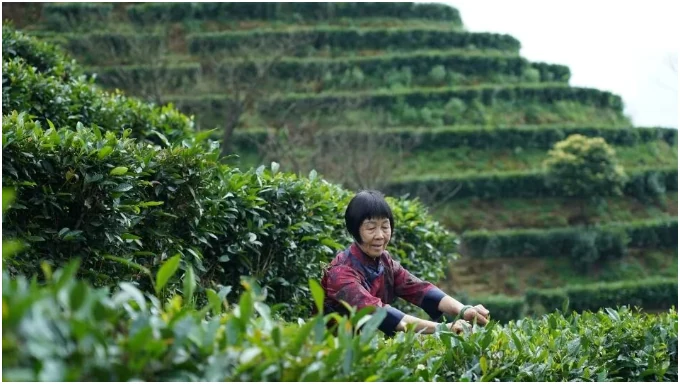
2–3. Aged woody notes and dried jujube
Aged aroma can suggest clean dry wood and a quiet, settled fragrance. It should not be used as a polite name for mold or dirty storage. Jujube aroma is a dried-red-date comparison, often discussed with more mature leaf material. A cup may suggest dried fruit and sweetness without containing dates, and the number of years needed varies considerably.
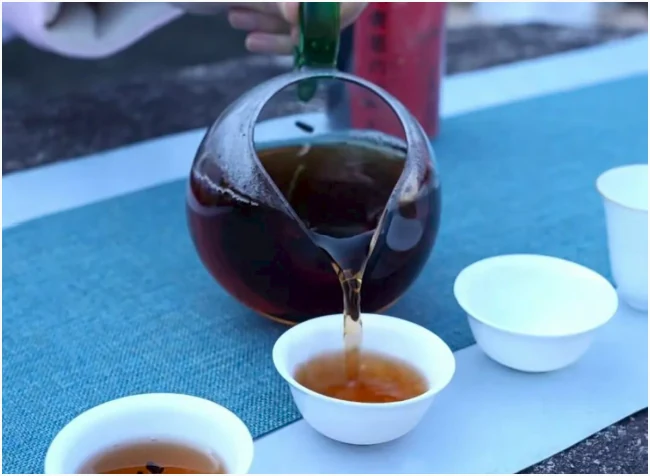

4–5. Herbal or medicinal notes and ginseng
Medicinal or herbal aroma describes an association with dried roots, herbs or a traditional apothecary. It does not establish a medicinal effect. Ginseng aroma is a more specific root-like comparison sometimes used for aged Liubao. Neither description proves that herbs were added, authenticates an old vintage or justifies a fixed premium. Smell the cooled cup as well as the hot leaves, and record the comparison that actually occurs to you.


6. Fermentation or mushroom-like notes
A clean fermentation-related note may be described as mushroom-like or flowering aroma. That vocabulary concerns the cup, not identification of a fungal species. Golden-looking growth must not be classified as safe from a photograph. The aroma should feel coherent with the tea rather than serve as an excuse for mustiness, damp damage or an unexplained odor.
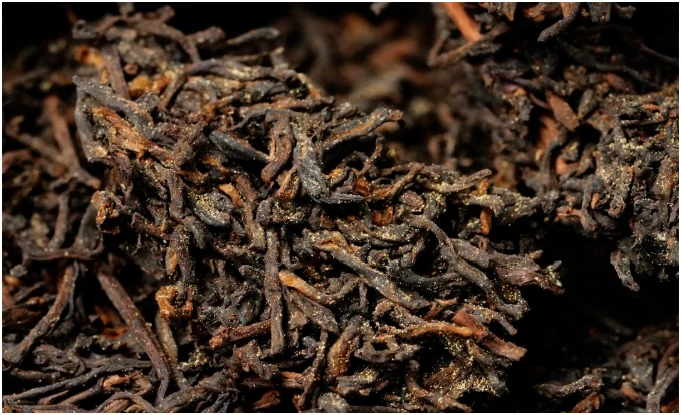

7. Honeyed aroma
Honeyed and floral notes can appear in tender traditional-style Liubao, including early spring Sheqian lots. The comparison suggests fragrance and perceived sweetness rather than honey or syrup in the ingredients. Brew a delicate batch gently and let the liquor cool slightly before comparing aroma with taste. A tea can move between floral, woody and sweet impressions across infusions without fitting only one category.
