चाय और चाय के बर्तनों के मार्गदर्शक
Mingqian vs Yuqian Longjing: Is Earlier Tea Always Better?
Mingqian Longjing is picked before Qingming; Yuqian commonly means the spring picking period after Qingming and before Guyu. These terms help describe harvest timing in China. They do not, by themselves, certify origin, grade or the flavor you will prefer.
If you like a delicate spring green tea, an early batch may appeal. If you want a satisfying daily cup, a well-made later spring batch deserves a place on the tasting table too. ‘Earlier’ and ‘better for me’ are different judgments.
What do Mingqian and Yuqian mean?
Qingming falls in early April and Guyu around April 20, with dates varying by year. Mingqian is often translated as pre-Qingming; you may also see Pre-Ming. Yuqian literally means before Guyu, but in the usual contrast with Mingqian it refers to the interval between the two seasonal markers.
Ask for the actual picking date and year. ‘Before Guyu’ used literally is broader than that two-part comparison, so the seller’s date is more useful than an English label alone.
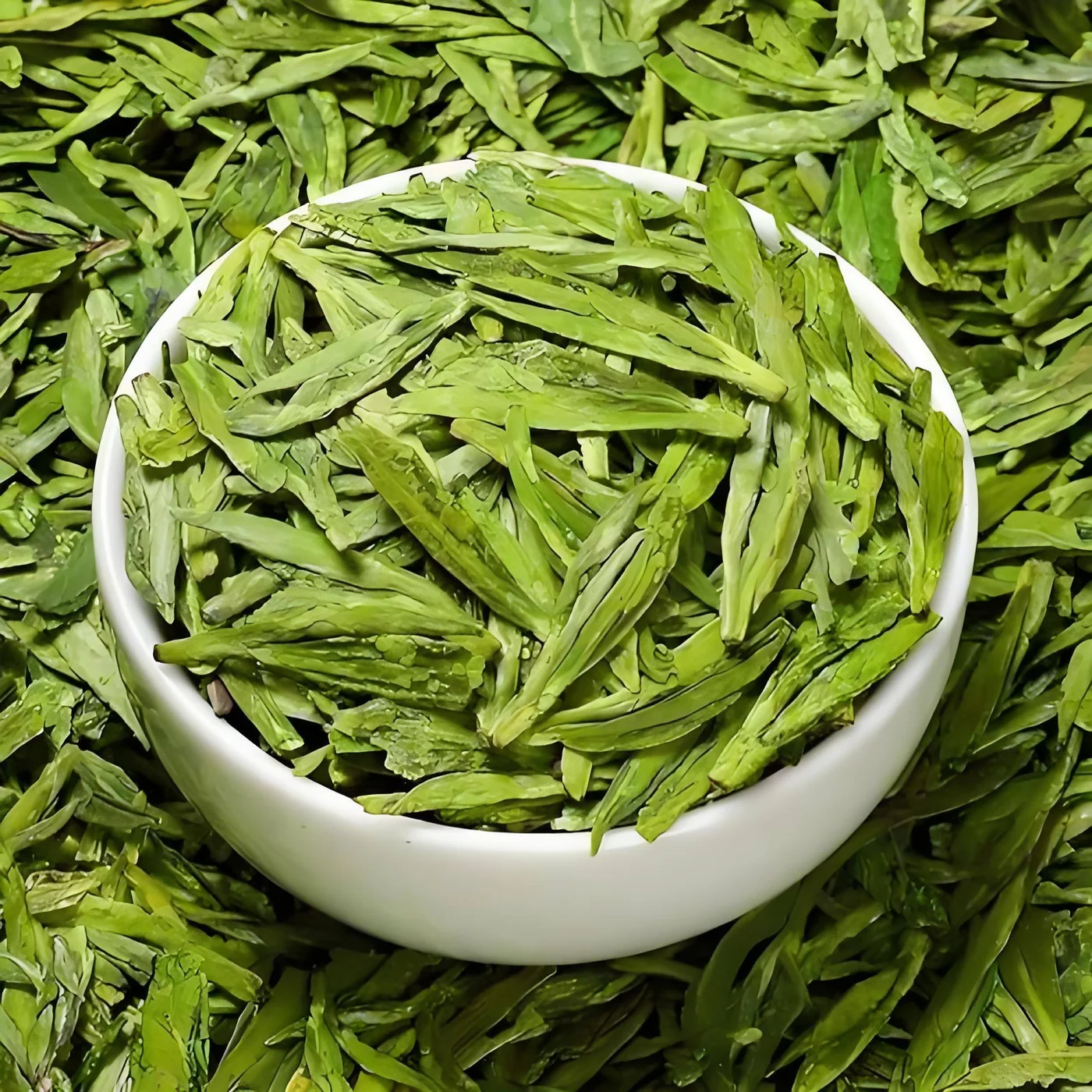
| Question | Mingqian | Yuqian, in the usual trade contrast |
|---|---|---|
| When picked? | Before Qingming | After Qingming, before Guyu |
| What can vary? | Tenderness, yield, weather and cultivar | The same factors, at a later spring stage |
| Always better? | No; judge the batch | No fixed ranking; judge the batch |
Why does the first harvest receive so much attention?
The beginning of spring offers limited quantities, and careful picking takes labor. An attractive early batch may have tender leaves, gentle aroma and a refined texture. Those are useful expectations to explore, not promises shared by every tea picked before a date.
Tea plants do not follow the same schedule everywhere. Longjing 43 generally begins earlier than the local seed-grown population, while temperature and garden conditions influence the actual start. A later-picking plant is not automatically a lesser plant.
That is why the cultivar comparison matters when someone uses ‘first flush’ as a selling point. Ask whether it means the first picking of a garden, a cultivar or a particular batch.
What differences might you notice in the cup?
Early lots may appeal for delicacy; later spring lots may offer a more assertive cup. Yet firing, leaf standard, storage and brewing can outweigh the simple calendar distinction. Do not expect all Mingqian tea to taste light or all Yuqian tea to taste strong.
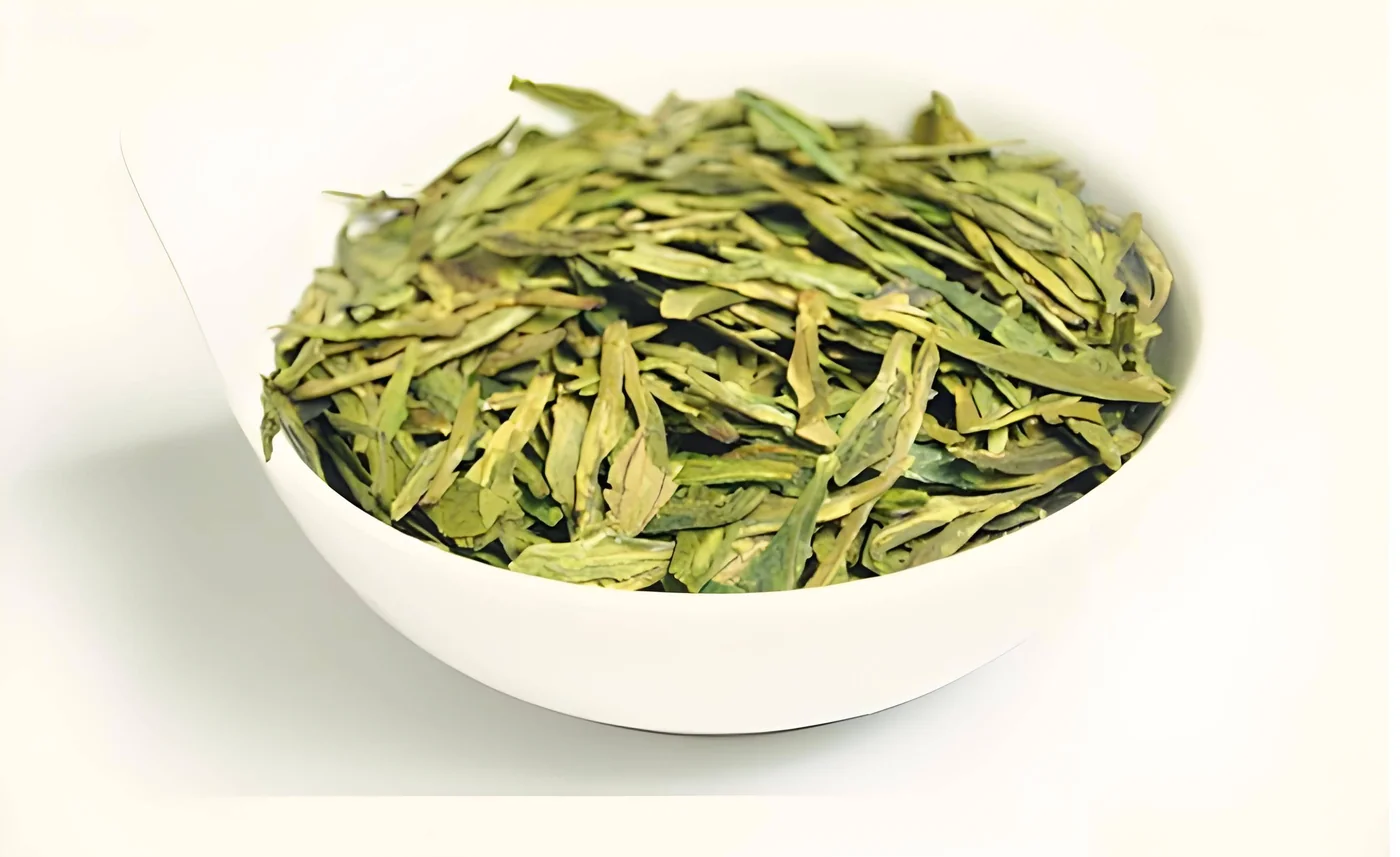
Nor can you reliably date a tea by its color. Tender-looking, bright green leaves can be affected by cultivar, processing, lighting and photography. A photograph cannot establish when the leaves were picked.
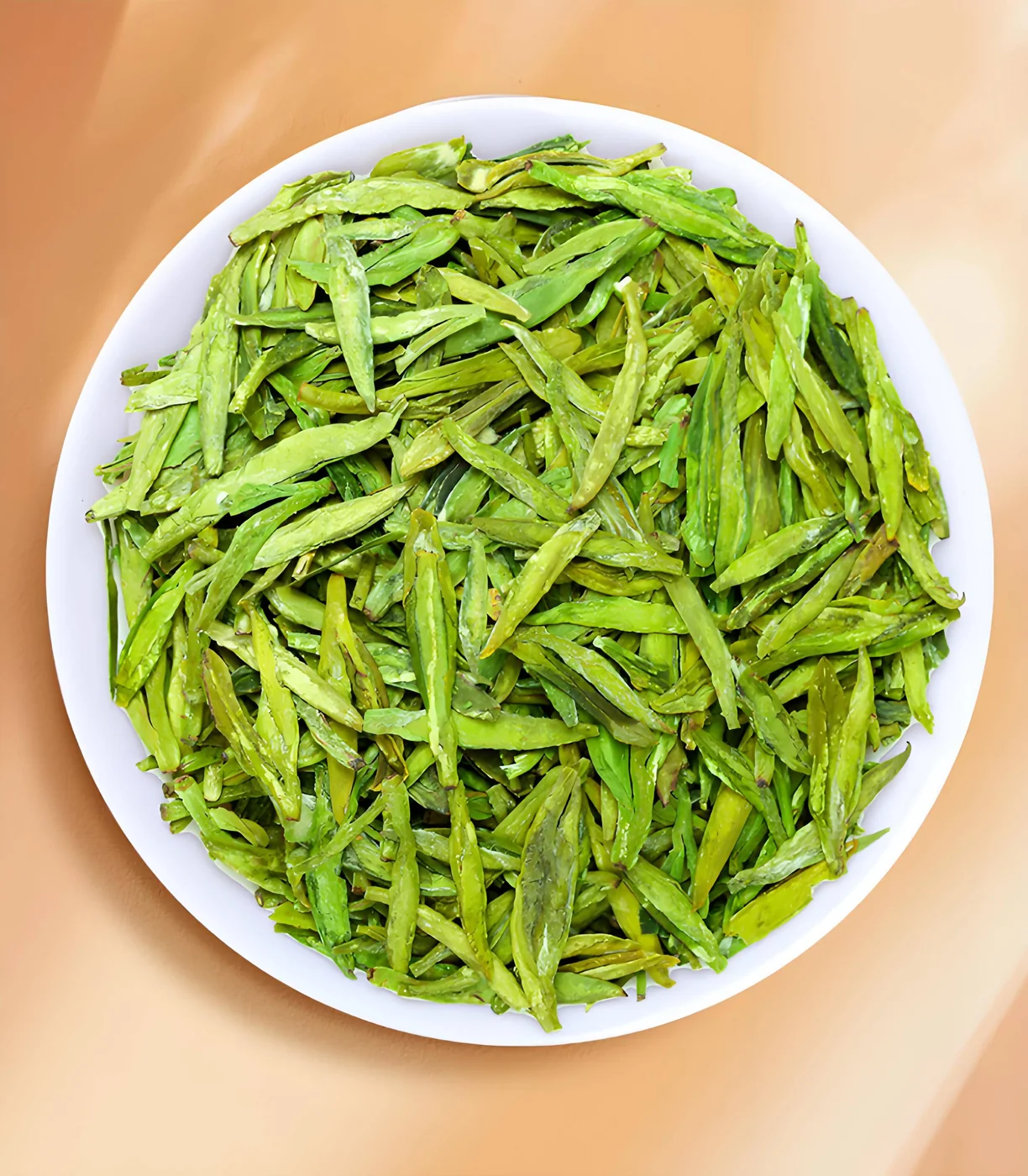
If possible, taste two teas from the same producer with clearly stated origins and dates. Use the same brewing setup, then compare aroma, body, balance and finish. This keeps the comparison closer to the question you are actually trying to answer.
Is Mingqian worth buying for a gift?
It can be, if the recipient values an early spring harvest and the batch is well documented. But a date printed on an elaborate box cannot compensate for vague provenance or poor storage. Reliable presentation, suitable pack size and delivery also matter.
For daily drinking, buy the tea you want to reach for again. Trying a small Yuqian batch can be more informative than stretching your budget for a large ‘premium’ box you have never tasted.
What to check before choosing
- Origin: is it West Lake, Qiantang or Yuezhou Longjing? A harvest term does not answer that question.
- Year and date: ask when this batch was actually picked, rather than when the listing was updated.
- Cultivar and processing: use these to understand the batch, without treating either as a quality guarantee.
- Condition: ask how the tea has been sealed and stored, particularly later in the year.
- Preference: sample first, then compare prices per gram.
Keep dry tea sealed, cool, protected from light and away from strong smells. If a sealed pack has been refrigerated, let it come to room temperature before opening to limit condensation. Follow the producer’s storage guidance for the particular packaging.
Two common questions
Is Yuqian tea old tea?
No. It describes a later spring picking period in the stated year. How recently the tea was harvested and how it has been kept are separate questions.
Does pre-Qingming prove West Lake origin?
No. Mingqian is a timing claim; West Lake is an origin claim. Check both separately.
For origin and price questions, continue with our production-area comparison and Longjing price guide. The full series is in the Longjing tea guide.