चाय और चाय के बर्तनों के मार्गदर्शक
Sun Yi Shun Ancha: The Story of a Chinese Dark Tea Name
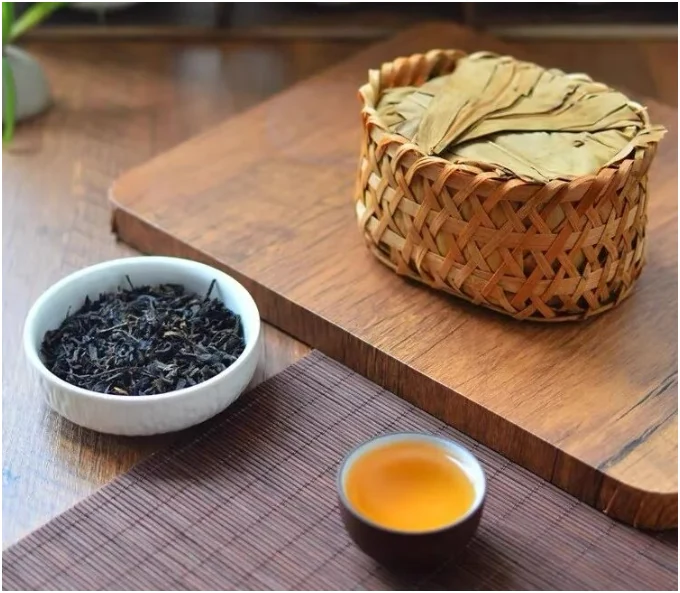
Sun Yi Shun is one of the names most closely associated with the story of Ancha from southern Anhui, China. It appears in accounts of the tea’s trade with southern Chinese markets and its later revival. Understanding that history helps explain the name’s appeal. It also raises a practical buying question: which producer and which period does a particular basket actually represent?
A name carried by southern trade
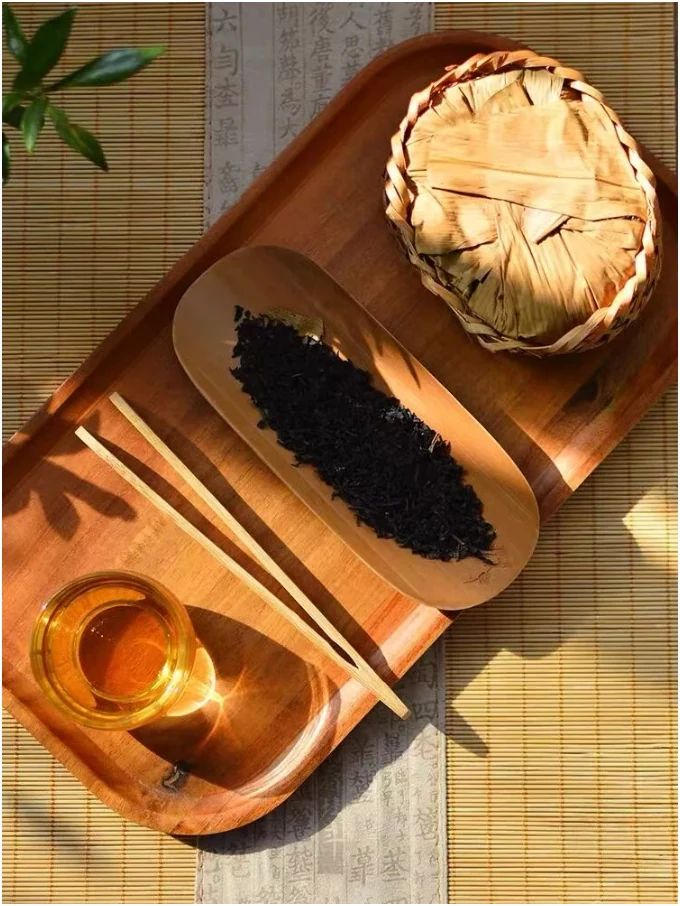
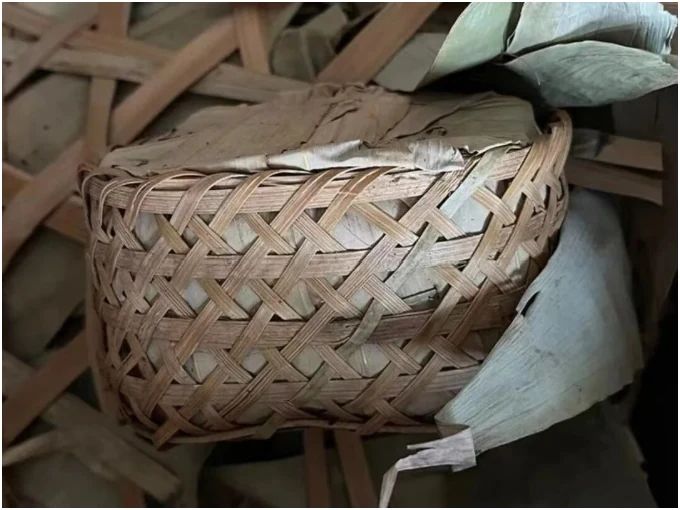
Traditional accounts trace the tea house to the Qing period and describe Ancha traveling from Qimen toward Guangdong and other southern markets. Leaf-lined baskets made the tea recognizable and practical to handle. The historical story includes partnerships, changing operators and a reputation built over generations. It is a history of a trade name and a tea style, not proof that every modern package bearing the name came from one continuously operating factory.
Interruption and revival belong in the same story
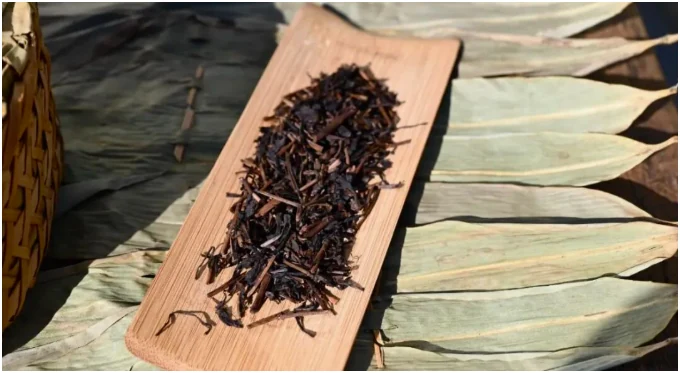
War and disrupted trading routes interrupted Ancha manufacture and distribution in the twentieth century. Accounts of its revival describe old tea and packaging being used as clues when makers in Anhui worked to recover the style in the 1980s and 1990s. The role of an old sample was to help reconnect knowledge and production. A surviving label by itself cannot establish a present-day basket’s vintage or storage history.
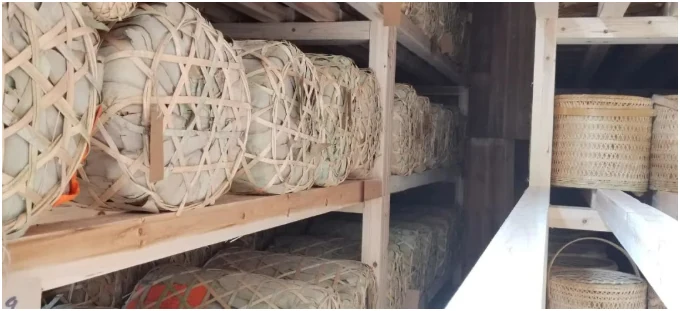
Historic identity and current production are different records
The same familiar name can appear across older stock, later revival products and contemporary packaging. For a current purchase, ask for the manufacturer, production date, lot number, packaging details and the basis for any origin or vintage claim. Where a seller makes trademark or authorization claims, request current documentation rather than relying on an old article. The name’s long cultural association should not replace the identity of the business responsible for the actual product.
A historic label deserves careful reading
Old tickets can reveal trade language, packaging conventions and how merchants presented tea. They do not alone authenticate the contents, and a photographed award or aged-looking wrapper cannot provide a full chain of custody. For drinking, favor a sound sample and a coherent history. For a claimed antique, independent documentation matters more than a dramatic story or an assertion that the tea is the last of its kind.